Airlines ensure safety

As travelers aim for the sky again, we take a look at some airlines that are doing their best to put customer service and safety first.

British Airways

Safety is at the heart of British Airways’ business and the airline has introduced a range of measures to keep its customers safe.  These measures, as indicated below aim to help and manage the wellness of everyone traveling.

  • Online check-in where passengers download their boarding pass and where possible self-scan their boarding pass at departure gates.
  • Observing social distancing and the use of hand sanitizers that are placed throughout airports.
  • Wearing a face mask at all times and bringing enough to replace them every four hours for longer flights.
  • Asking customers not to travel if they think they have any symptoms of Covid-19.
  • A new food service, which reduces the number of interactions required between staff and customers.
  • The airline is cleaning all key surfaces including seats, screens, seat buckles and tray tables after every flight and each aircraft is completely cleaned from nose to tail every day. The air on all flights is fully recycled once every two to three minutes through filters that are equivalent to hospital operating theatre standards.

Delta Air Lines

Delta Air Lines has increased health and safety protocols that passengers can expect while flying. The airline’s commitment to keeping passengers safe include employee testing to identify any infections quickly giving them time to recover at home and reduce exposure to others.  Delta Air Lines’ commitment to customer safety are listed below.

  • Face masks or face covering must be worn by passengers and staff.
  • To reduce the number of people on board, the airline will block middle seats until the end of September.
  • On board all flights there is enhanced cleaning procedures. These include disinfectant electrostatic spraying on their aircraft, sanitizing high-touch areas before each flight and cleaning the toilets more frequently in flight.

Emirates

Emirates customers can travel with confidence, knowing the airline will cover medical expenses and quarantine costs per day for 14 days, should they be diagnosed with COVID-19 during their travel.

First in aviation industry to offer free Covid-19 cover

Emirates has worked hard to put safety measures in place at every step for their customers journey and are the first in the aviation industry to offer free global cover for Covid-19 medical expenses and quarantine costs.

This cover is offered by Emirates to customers free of charge regardless of class of travel or destination. This cover is effective for customers flying on Emirates until 31 October 2020. It is valid for 31 days from the moment they fly the first sector of their journey. This means Emirates customers can continue to benefit from the added assurance of this cover, even if they travel onwards to another city after arriving at their Emirates destination.

Customers do not need to register or fill in any forms before they travel, and they are not obligated to utilise this cover provided by Emirates. Any customer who may be diagnosed with COVID-19 during their travel has to simply contact a dedicated hotline to get assistance and cover.

Distribution of complimentary hygiene kits

Health and safety measures implemented by Emirates for customers and employees include the distribution of complimentary hygiene kits containing masks, gloves, hand sanitizer and antibacterial wipes to all customers.

Ethiopian Airlines

With the easing of travel restrictions across the globe, Ethiopian Airlines has programs in place that ensure customer wellness. The programs focus on safeguarding the health and safety of staff and travellers throughout the service chain from first interaction up to arrival at destination.

Facemasks are mandatory for travel except children under the age of two; customers must keep their masks on throughout their journey.  All customer-facing staff wear personal protective equipment. This includes ticket offices, airport and lounge staff, as well as cabin crew. On board service is redesigned to minimize contact; items such as magazines, menus and other reading materials will not be available.

Etihad Airways

Etihad Airways offers customers the service of a Wellness Ambassador on board every flight. This is in support of their Covid-19 risk assessment tool for passengers. The tool, created in partnership with a healthcare technology company, consists of 22 questions and takes five minutes to complete.

The questions are based on World Health Organisation guidelines and are updated daily. The aim of the tool is to make passengers aware of their individual probability of having contracted the virus before they travel.

More space between travelers

Keeping passengers safe is priority to Etihad Airways, so they’ve made changes on board and at the airport, as mentioned below to make sure that there’s more space between travelers.

  • Refreshed cabins with new seat covers and carpets.
  • Aircraft is equipped with air filters which capture 99% of airborne microbes.
  • They deep clean and sanitise all aircraft on arrival at each destination.
  • Teams wear face masks and personal protective equipment at all times.
  • There is additional deep cleaning and sanitisation at every point of travel.
  • Customers must wear a face mask while traveling and wash hands at regular intervals.
  • Wellness kits are available on board for all guests, including a face mask, gloves and hand gel.
  • A refreshed meal service means all food prepared goes through vigorous testing, and is served in line with strict COVID-19 guidelines.
  • Transfer buses, coaches and cars are deep-cleaned and sanitised after every trip.

Kenya Airways

Kenya Airways has worked in earnest to implement extensive safety measures and protocols for customers. Their number one priority is the safety of their customers and staff.  The following measures have been put in place to maintain the highest levels of safety, security and hygiene:

  • Activation of a crisis management protocol to proactively address situations as they arise and implement appropriate actions.
  • Working closely with both local and global health authorities, as well as following guidelines to protect customers’ well-being.
  • Stopped issuing headsets for use across all flights. This is to support other efforts that minimise person-to -person transmission of communicable diseases.
  • Enhanced cleaning and sanitizing procedures in all aircraft before a flight. These procedures cover seat armrests, seat pockets, headrests, tray tables, seatbelts, galleys, overhead luggage compartments, windows, carpets and lavatories.
  • Increased the frequency of layover cleaning of aircraft from once every fourteen days to once every seven days.
  • Availed hand sanitizers in all aircraft, offices and other service areas.
  • Availed personal protective equipment to our staff based on the level of risk they are exposed to in their respective workstations.
  • Provided training and sensitizing of crew and staff on various measures to ensure they protect themselves.
  • Ensure all cabin groomers wear personal protective equipment.
  • Encourage hand washing and healthy hygiene practices among staff and stakeholders.
  • Use disposable hand towels on all classes of travel.
  • Installed high efficiency particulate air filtration systems in all aircraft to clean the air during flights.
  • Replaced all blankets, linen, pillow covers and headrest covers with fresh sets.

The airline will continuously review their safety measures and protocols and update them where necessary.

KLM

Safety remains paramount to KLM so they have measures in place to ensure that flights are safe for both passengers and staff. For example, face masks are mandatory when boarding and during flights, there is extra hygiene equipment on board, and the aircraft are cleaned extra thoroughly. The air on board is quickly refreshed using certified filters. The most important measures are listed below.

Seat Blocking

Wherever possible, KLM works on the basis of the general guideline of the ‘social distance’ of 1.5 meters. In practice, this means as much space as possible is created around passengers by keeping seats empty.

Service on board

One of the most important principles of KLM is to ensure the safety of passengers and crew so they have minimized contact moments between crew and passengers. The offer of catering has therefore been simplified.

Hygiene on board

On board, the crew wears mouth caps and protective gloves. There is extra hygiene equipment on board, such as hand sanitizers, and on every flight a toilet is kept free exclusively for the crew. This gives them unrestricted access to a place where they can look after themselves and wash their hands. KLM’s aircraft are additionally cleaned using suitable cleaning agents. The air on board the aircraft is drier and is rapidly refreshed along highly efficient filters to filter the air of potentially harmful particles and viruses.

Before and after boarding the plane

Safe travel is the highest priority to KLM, for this reason before and after boarding, a mix of measures is in place. These include communication about ‘social distance’ at check-in, gates, service and transfer desks. Custom boarding processes have also been set up, such as boarding in smaller groups. KLM also conducts passenger screenings on a number of flights.

Lufthansa

Lufthansa is offering passengers arriving at Frankfurt and Munich airports tests for Covid-19 at a cost. This will help passengers ‘avoid being quarantined’ because results are usually available within four to five hours after testing and are linked to the customer’s flight ticket. This also makes it easier for customers to travel safely to other countries worldwide that accept a certified corona test to avoid quarantine. Individuals receive their result via an app link.

Lufthansa has taken a number of measures to protect customers and employees. Passengers are currently only allowed to carry one piece of hand luggage. On long haul flights, Lufthansa recommend passengers take along several masks so that they can switch if necessary once they get damp.

Disinfectant wipes

Passengers may also take hand sanitizer if they wish, but must be sure to adhere to the regulations for traveling with liquids in carry-on luggage.  Upon boarding, the airline provides passengers with disinfectant wipes and request that only these be the ones used for cleaning the surfaces in and around your seat.

Face masks and hand sanitizers

Customers must wear a face mask at all times while at the airport and use hand sanitizers that are available. For greater disinfectant measures the airline strongly recommends passenger to check in via their digital and mobile services.

Contact less self-service

Baggage drop-off is now provided for on a contactless basis at self-service kiosks and according to new aviation security passengers are currently only allowed to carry one piece of hand luggage. Contactless boarding is also in place; customers, in groups are requested to wait until their boarding group is called and then use the automatic boarding gates.

Excellent air quality

Lufthansa cabins are thoroughly cleaned before and after each flight and their air filters supply a complete exchange of fresh air approximately every three minutes. The resulting excellent air quality, in combination with a face mask, offers so much protection.

Qatar Airways

Qatar Airways has increased its health and safety measures on board by introducing new personal protective equipment for customers and cabin crew. The airline’s additional robust measures include offering face shields and protective kits to all passengers, in addition to a new protective gown for cabin crew.

The disposable face shield is available in two standard sizes, one for adults and the other for children. The children’s face shields feature the airline’s Oryx Kids Club mascots as part of their design. Some passengers will receive their face shields at check-in counters and some via distribution at boarding gates.

On-board, all passengers will receive a complimentary protective kit. Inside a ziplock pouch they will find a single-use surgical face mask, large disposable powder-free gloves and an alcohol-based hand sanitizer gel.

Highest levels of hygiene

To ensure the highest levels of hygiene on board, Economy Class passengers are required to wear their face shield visor in addition to their face mask or covering throughout the flight, except when they are served their meals or drinks. Business Class customers are asked to wear their face shield and mask on board at their own discretion, as they enjoy more space and privacy.

The airline has also applied other additional health and safety measures on board its flights. Business Class meals are served covered on a tray instead of a table set up, and a cutlery wrap is offered to passengers as an alternative to individual cutlery service, in an effort to minimise contact between crew and passengers. Qatar Airways has also introduced single-use menu cards and sealed refreshing wipes. Economy Class meals and cutlery are served sealed as usual, and menu cards have been temporarily discontinued. All social areas on board the aircraft have been closed adhering to the social distancing measures.

The most advanced air filtration systems

Qatar Airways’ aircraft are regularly disinfected and feature the most advanced air filtration systems, equipped with industrial-size filters that remove 99.97% of viral and bacterial contaminants from re-circulated air, providing the most effective protection against infection.

All the linen and blankets are washed, dried and pressed at microbial lethal temperatures and headsets are rigorously sanitised after each flight. These items are then sealed into individual packaging by staff wearing hygienic disposable gloves.

In addition all passenger touch points are sanitized every 10-15 minutes and every boarding gate and bus gate counter is cleaned after each flight. Accordingly, hand sanitizers are provided at immigration and security screening points.

 

Share this article

Countries reopening borders for tourism

With lockdowns ending around the world, many countries have started to ease border restrictions and reopen for international tourists.

The following countries are reopening for tourism. This information can change at a rapid pace so please check with us to find out what is happening in your favorite travel destination.

Albania

Albania reopened borders for international tourism on 1st July 2020.  All nations are welcome, there is only temperature checks at the airport.  This means no tests and no quarantines.

Antigua and Barbuda

Antigua and Barbuda reopened to international visitors on 4th June 2020 and on the same day, the island welcomed its first international flight since its borders were shut. Testing is done upon arrival.

Austria

Austria officially reopened its borders for tourism on 16th June 2020. The first 31 countries to have authorization to travel to Austria include all the European Union nations, with the exception of UK, Sweden, Spain and Portugal.  Visitors from the approved EU countries can visit Austria without a quarantine period or testing.

Bahamas

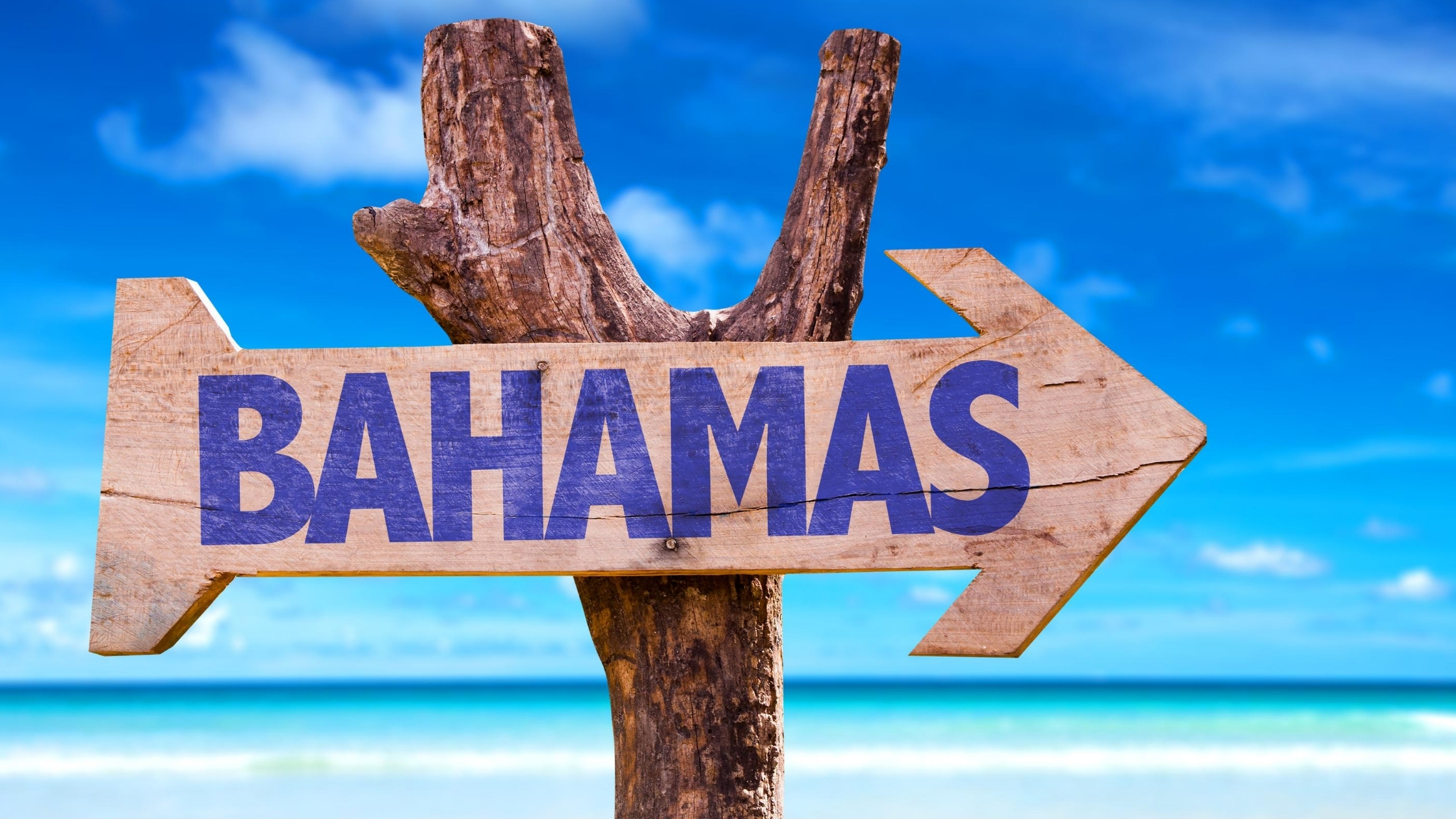
The Bahamas officially reopened for tourism on 1st July 2020.  They accepted tourists from all countries as long as they follow the pre-entry protocol guide. Unfortunately, on 20th July the Bahamas banned flights from the USA due to a surge of cases.

Barbados

Barbados officially reopened for tourism on 1st July 2020, allowing tourists from all countries and nations to visit.  There are different entry requirements depending on where travellers are coming from.

Bali (Indonesia)

The Governor of Bali announced that the island will officially reopen its borders for international tourism on 11th September 2020. The Bali Governor stated that domestic tourism will resume on 31st July 2020 if transmission remains low.

Belize

Belize will officially reopen for tourism on 15th August 2020 for all countries. Tourists must download a health app prior to arrival and are encouraged to bring a negative covid-19 test.

Bermuda

Bermuda reopened for tourism on 1st July accepting tourists arriving by air from all countries. Tourists must adhere to health protocols set out by the local government which includes bringing a certified negative Covid-19 test. No mandatory quarantine period is in place.

Costa Rica

Costa Rica will reopen its borders for tourism on 1st August 2020, allowing tourists from select low-risk countries. It’s been suggested that tourists from countries in the European Union, Canada, and the United Kingdom will be granted entry first.

Cuba

Cuba reopened for tourism on 1st July 2020, tourists are welcome to visit specific areas of Cuba; Cayo Largo Del Sur, Cayo Coco, Cayo Guillermo, Cayo Santa María and Cayo Cruz. Testing is required on arrival, but it’s free.

Czech Republic

As of 15th July certain EU nations and approved third-party nations with a low risk could enter the Czech Republic without a test or quarantine period. The list of countries that can enter the Czech Republic for tourism is dynamic and is updated at weekly intervals according to current epidemiological situations, categorizing low to high risk.

Dominica

The island nation of Dominica is officially reopening for tourism on 7th August 2020.  Tourists will have to bring a negative Covid-19 test with them. Plus they will have a rapid test on arrival, and a few other entry requirements to help keep the nation safe.

Dominican Republic

The Dominican Republic reopened to tourists 1st July 2020. Social distancing and face-covering requirements remain in effect to slow the spread of coronavirus.

Egypt

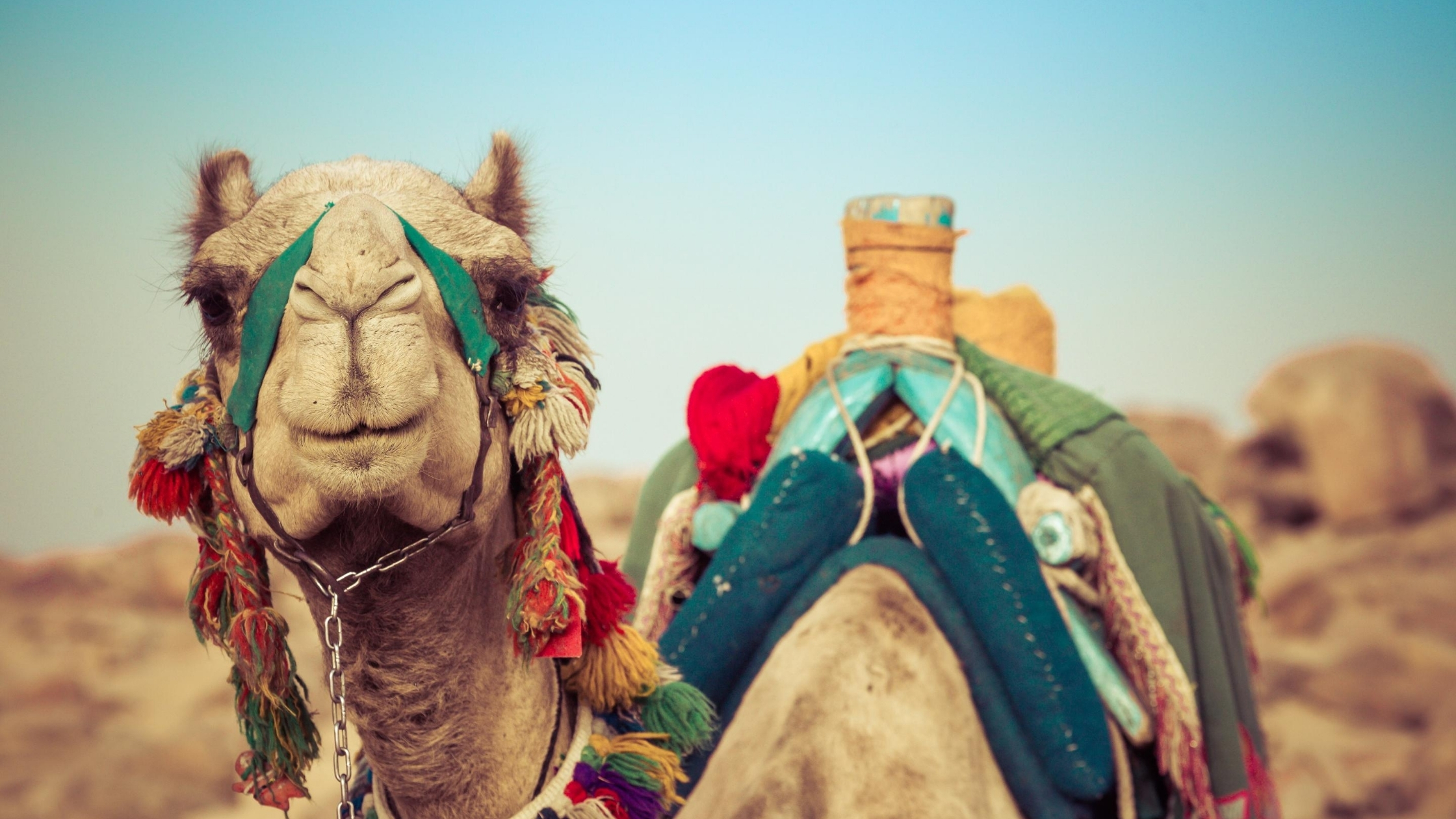
Egypt reopened its borders for tourism to seaside resorts 1st July 2020.  Tourism brings in around $1billion in revenue for Egypt each month

Estonia

Estonia is officially reopened for tourism.  Most EU nations have been able to visit since 1st June 2020, and select third-party countries from 6th July 2020.

French Polynesia (Bora Bora and Tahiti)

On 15th July 2020, Tahiti, Bora Bora, Mo’orea and other French Polynesian islands reopened to tourists from all countries and did not require a mandatory 14-day isolation period for visitors. However, yes, tests are needed to enter.

Georgia

Georgia has announced it will be ready to receive all international tourists starting 31st July 2020 to specific zones of the country.

Germany

Germany officially reopened to tourists on 15th June 2020 allowing 31 countries to cross its borders for the purposes of tourism. On 2nd July 2020 Germany announced the reopening to select third-party countries outside the EU, like Canada, Thailand and Montenegro

Greece

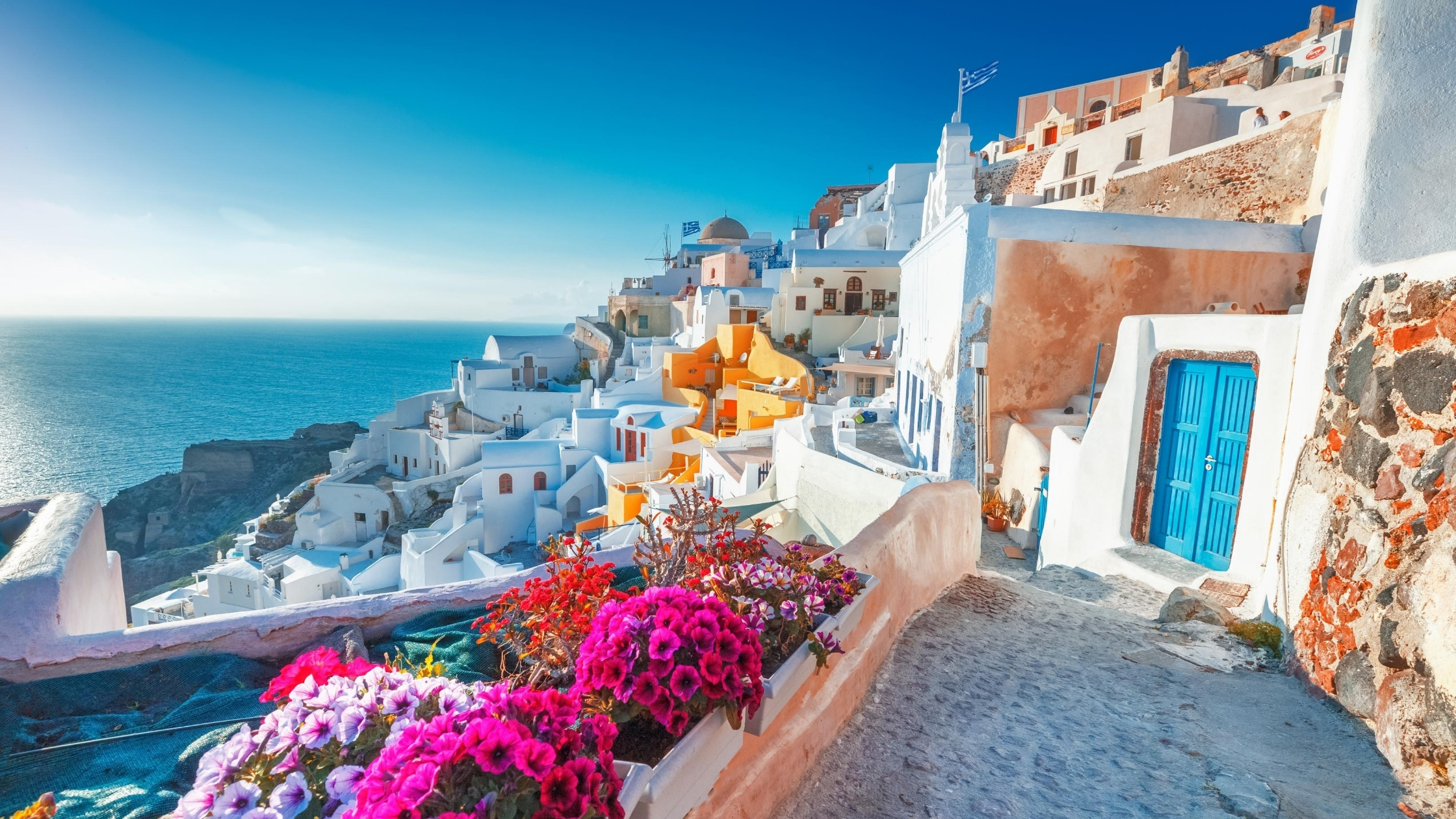
Greece officially reopened to tourists in June 2020. Since 15th June 2020 the country had no restrictions to travellers coming from 29 countries.  As of 1st July 2020 Greece approved 15 third-party nations like Canada, Japan, and Australia to visit.

Hungary

As of 16th July 2020 Hungary opened for tourism and allowed select countries to visit, while banning others that have little or no cases.

Iceland

Iceland reopened its borders to tourists from 15th June 2020.  Passengers arriving have a choice: They can either choose to be tested free of charge for Covid upon arrival or go into quarantine for two weeks.

Italy

Starting 3rd June, Italy reopened its borders to tourists from 26 countries without any restrictions upon arrival.

Jamaica

Jamaica officially reopened its borders to all international tourists on 15th June 2020.  Unlike some countries opening throughout the world, Jamaica is not restricting incoming travellers from any particular countries.

Kenya

President Uhuru Kenyatta has announced that Kenya will be reopening for international tourism on 1st August 2020. The country will also lift all internal travel restrictions on the same day.

Maldives

Maldives’ border reopened for tourism on 15th July 2020 and international flights resumed. Tourists from all countries may enter the Maldives. A health declaration card must be completed and all visitors must go through thermal screening. Every tourist is given a free 30 day visa.

Malta

Malta reopened for tourism on 1st July 2020 allowing visitors from 20+ nations to enter the country without an isolation period. On 11th July 2020 Malta added more third-party countries to their approved list, plus, a way for countries not included to apply for an exception.

Mexico

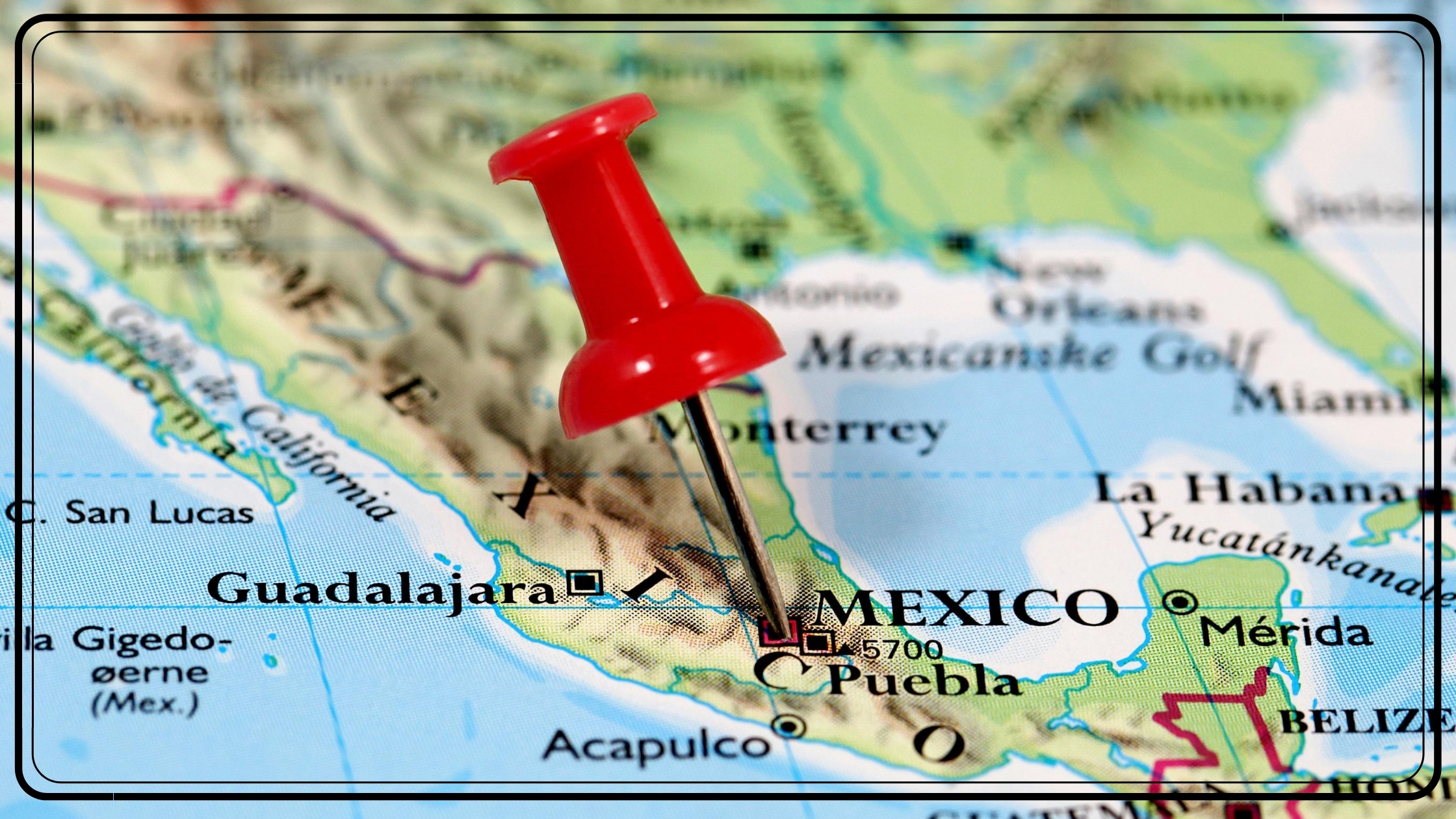
Popular Mexico destinations such as Cancun and Playa Del Carmen officially reopened for tourism on 8th June 2020.  The government launched a ‘light system’ to categorize the amount of covid-19 infections in each region. Until each region turns orange, cities do not have permission to restart tourism activities.

Montenegro

As of 1st June 2020, Montenegro reopened to tourists and began accepting international arrivals from 131 countries.

Netherlands

On 15th June 2020, the Netherlands reopened to tourists from countries in the European Union and the Schengen area.  On 1st July 2020 they reopened to further third-party countries suggested by the EU, including Canada, Japan and others.

North Macedonia

The Republic of North Macedonia has officially reopened for international tourism on 1st July 2020 and is allowing tourists from all countries to visit restriction free.

Poland

Poland reopened for tourism on 13th June 2020 lifting restrictions to visitors coming in from the 26 countries of the European Union. EU countries do not have to quarantine or isolate when they arrive in Poland.

Portugal

As of June 2020, Portugal reopened its doors for tourism from select countries. Mainland Portugal does not require a confinement or isolation period for new arrivals. Tourists are welcome in Portugal with some health checks at airports but no compulsory quarantine for those flying in.

Romania

Romania reopened for tourism on 7th July 2020.  Tourists from most EU nations and some approved third-party nations can travel to Romania, relatively restriction free.

Russia

Russia officially reopened its borders for international tourism on 15th July 2020.  Russia no longer requires foreigners to self-isolate for 14 days after arrival.  Those arriving in Russia need to present English or Russian-language proof that they have tested negative for the coronavirus in the past 72 hours to be allowed entry.

Rwanda

As of 17th June 2020 Rwanda reopened for tourism, with no restrictions based on nationality or country of departure. Visitors are required to present a negative PCR test taken no longer than 72 hours before boarding and will be retested upon arrival.

Saint Lucia

Saint Lucia reopened its tourism industry in phases on 4th June 2020. Visitors are required to fill out an online form, present certified proof of a negative COVID-19 test within 7 days of boarding their flights, and upon arrival in St. Lucia, they must continue to wear facemasks and practice social distancing.

Serbia

Serbia is officially reopened for tourism to all nations. As of 22nd May 2020, Serbia allowed visitors to travel to the country under normal ‘pre-Covid’ regulations. That includes no mandatory testing and no isolation period for arriving tourists.

Seychelles

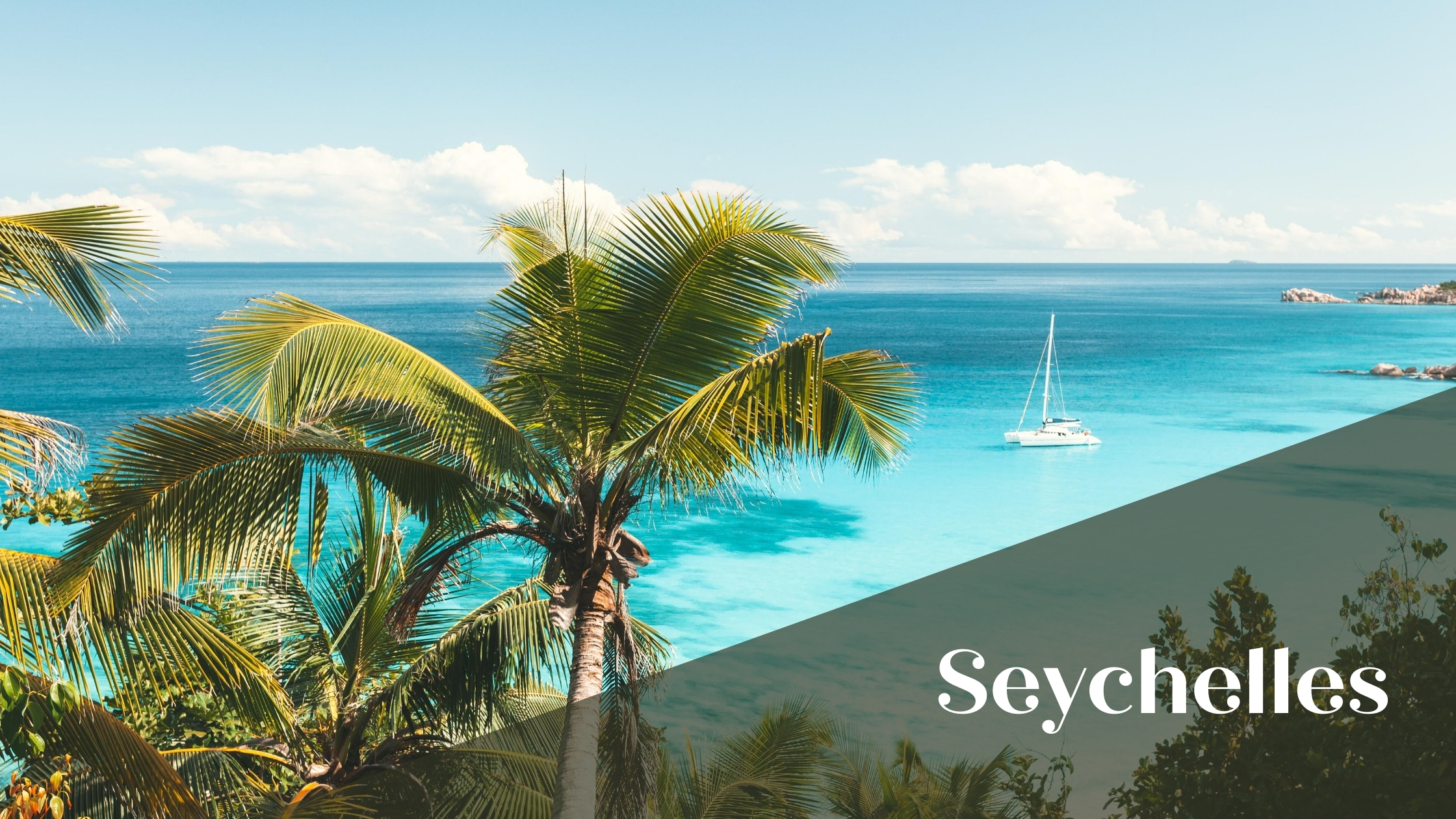
As of 1st June 2020 the Seychelles reopened to tourists from 19 countries, with another 17 countries being considered. The first 19 countries allowed into the Seychelles for the purposes of tourism are quite the mixed bag. They vary from countries in the Middle East, Asia, Europe, and the South Pacific, but they all share something in common; they’re all are considered ‘low risk’ due to low incidences of cases, responsiveness from the countries health system.

Spain

Spain officially reopened for tourism on 21st June 2020 to all tourists coming from countries within the European Union.  Then, starting on 3rd July 2020 Spain reopened borders to additional countries.

Sri Lanka

Sri Lanka is officially reopening for tourism on 15th August 2020 allowing all countries and nations to visit.  As long as visitors agree to bring a negative PCR test with them, and agree to have another test upon arrival, there is no quarantine period.

St. Vincent and The Grenadines

St. Vincent and the Grenadines officially reopened tourism on 1st July 2020 allowing tourists from all countries to visit. All arrivals must be tested until 1st August 2020, thereafter only higher-risk arrivals will be tested, and fellow Caribbean nations can come in without tests.

Switzerland

Switzerland reopened to tourists on 15th June 2020 allowing visitors from all EU and EFTA states and Great Britain to enter.  Then on 20th July 2020, 14 third-party nations like Canada, Japan and South Korea were allowed entry.

Tanzania

As of June 2020, Tanzania accepted tourists under normal and regular ‘pre-covid’ border rules. No mandatory quarantine period is in place, however temperature checks, mask wearing, and social distancing is in effect. There is no mandatory 14-day isolation or quarantine period for travellers into Tanzania.

Tunisia

Tunisia reopened its sea, land and air borders to select tourists on 27th June 2020. A color-coded system was implemented to show which countries may enter without restrictions and which countries can enter with enhanced restrictions.

Turkey

Turkey reopened its borders to international tourism on 12th June 2020.  Tourists from all countries and nations are welcome under normal travel regulations.

United Arab Emirates (Dubai)

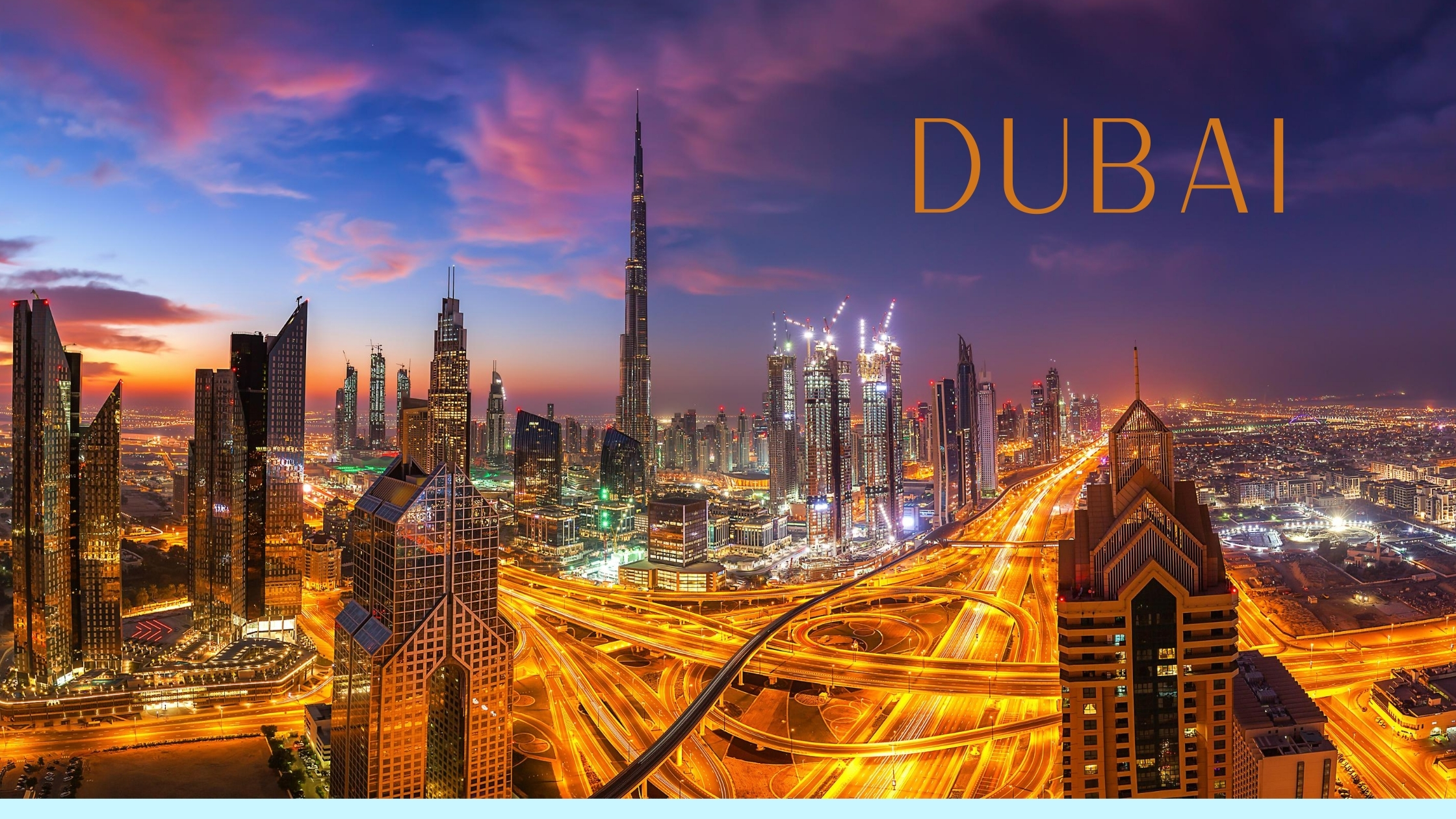
Dubai, UAE officially reopened its borders for international tourism on 7th July 2020 allowing travellers from all normally permitted countries to visit. Travellers must bring a negative PCR test with them no older than 96 hours before boarding, download an app to monitor health conditions, and have travel health insurance.

United Kingdom

The United Kingdom reopened to international tourists in June with new covid-19 prevention measures in place.  Since 8th June 2020 all visitors arriving from other countries can enter the UK but face new strict quarantine measures before any vacation or traveling can begin. Visitors are required to self-isolate for at least 14 days.

Please remember, ‘reopening’ news is ever-changing!

Share this article

Safe Travel Tips

Are you planning a trip soon? We’d like to share some best travel practices with you that we’ve picked up from medical professionals. Here’s what you should focus on, and a few things you don’t need to worry about while on your trip.

Lessen risks

If your trip is essential and if you’re committed to social distancing and mask-wearing, it’s possible to lessen, but not eliminate COVID-19 risks during travel.  If you really need to check in on distant family, attend an important socially distanced event, or even feel the need to just get yourself and your children out, there are ways to decrease COVID-19 risks.

Wear a mask

If you want to drive, plan your route with minimal stops that lead directly to your destination. If you want to fly, remember everyone on board a plane should wear a mask. Choose a window seat as far from the bathroom as possible and keep the overhead vent open and toward your face. Disinfect your hands after you’ve settled into your seat, and again before and after you touch your face, such as when you remove your mask to eat.

Maintain physical distance

Of all the precautions you can take while travelling, maintaining physical distance is crucial to decrease the spread of COVID-19. The moment you leave home, remember to wear a face mask and remember to wear it correctly. Try to avoid large crowded areas, wash or sanitize your hands frequently and try your utmost to avoid touching public surfaces.

Wash your hands

Hotel lovers need not despair if they are committed to masks and safe social distancing.  If your hotel doesn’t provide keyless entry, there is no need to stress because you’ll need to touch the door handle to get into your room anyhow.  Always just remember to wash your hands and your key card once you’re inside. Places where you can lodge and have your own kitchen and laundry facilities gives you more control over cleanliness.

Don’t crowd

Also remember to avoid packed elevators and don’t crowd around reception while checking in or out. Most accommodations have applied extra precautions and cleaning services so it’s a good idea to look out for places that provide their employees with pandemic support.  For example, training, equipment, and other measures, this translates into a safer environment for everyone.

Outdoors over indoors

Preparing your own food or getting takeaways is safest. But it’s still possible to eat in a restaurant. For this reason choose a place that offers outdoor seating rather than indoor. Consider the size and airflow of the space, the number of people sharing that space, and the amount of time you spend in that space. Choose to eat on a patio where everyone wears a face mask except when sipping or supping. When possible, avoid peak times and don’t linger longer than necessary.

Share this article