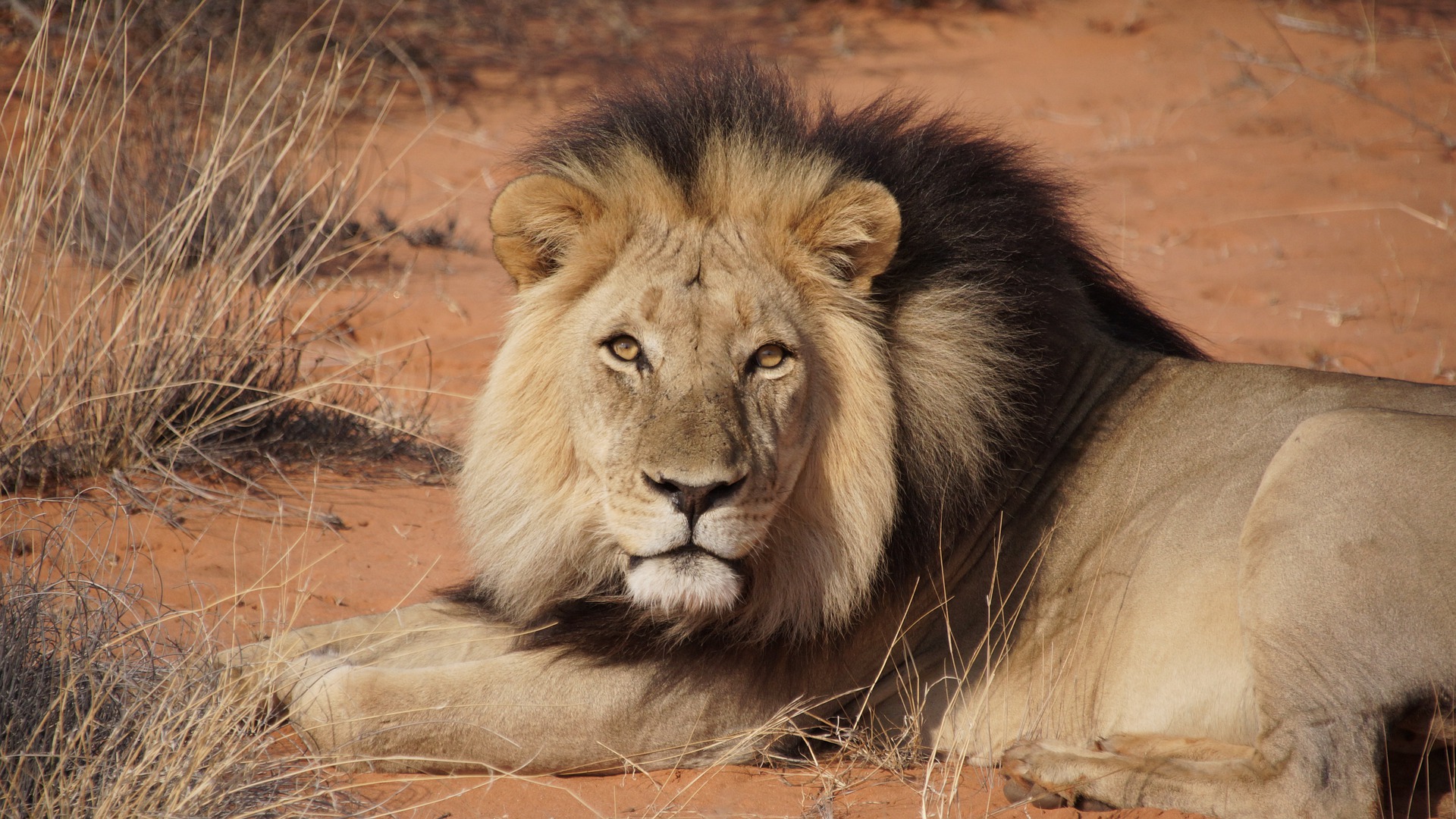
One of Africa’s best kept secret tourist destination has to be Botswana. When it comes to attracting tourists, Botswana has phenomenal wildlife on offer. The animals that live in or pass through Botswana range from endangered wild dogs and rhinos to a thriving bird life.
Botswana is always rewarding and lives up to tourism expectations. The natural impressive landscapes ranging from the imposing Kalahari Desert to the sublime serenity of the Okavango Delta is always recognizable as African!
Let’s explore stunning Botswana.

Central Kalahari Game Reserve
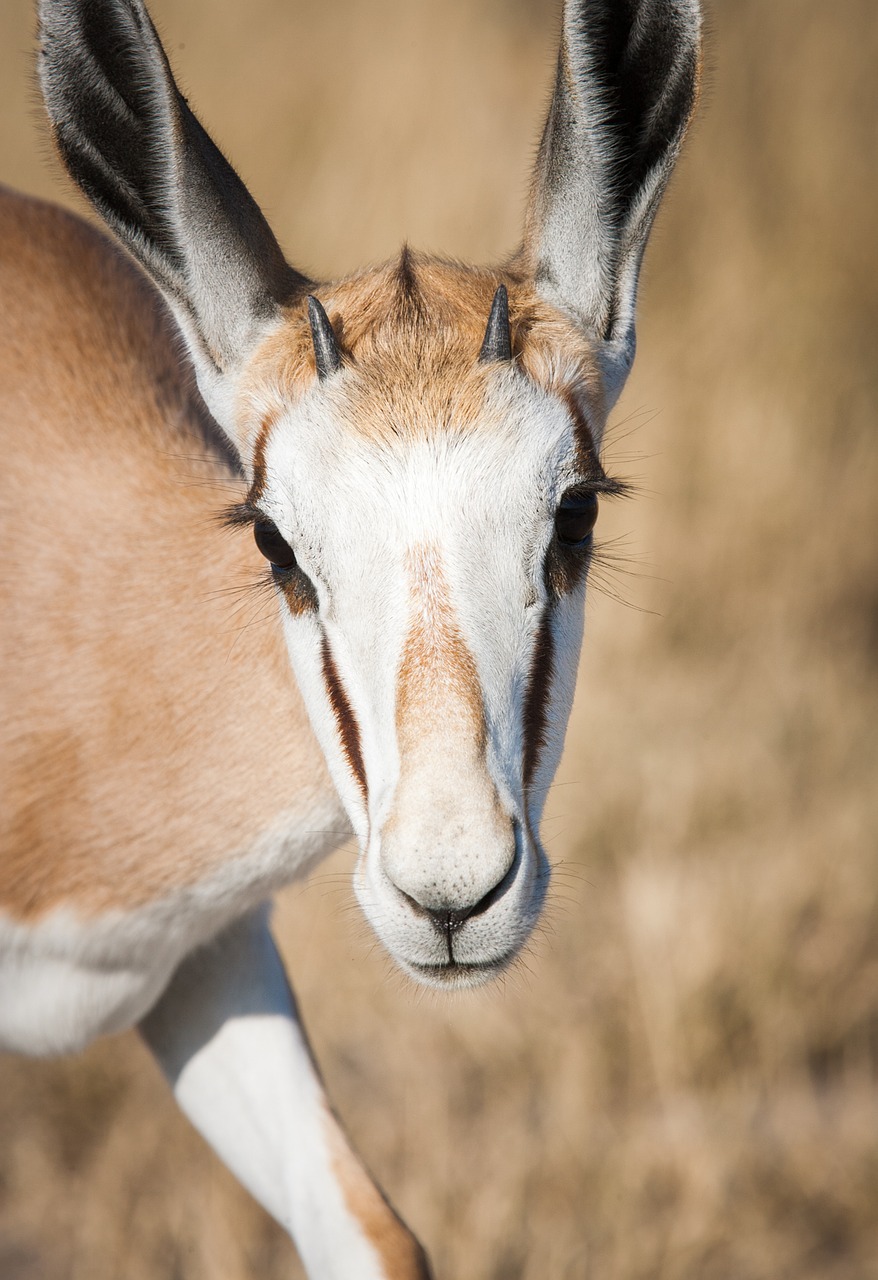
Wild, mysterious and vast, the Central Kalahari Game Reserve is a true wilderness that will give you the impression that you are exploring Africa alone. Incredible grasslands engulf you by day whilst the skies at night are as clear as the clearest in the world. The rain in summer brings about countless wild beasts of all shapes and sizes including massive herds of animals like wildebeest and springbok. The main reason to visit the Central Kalahari Game Reserve is the unfathomable open terrain and true African wilderness.
‘…unfathomable open terrain…’
Chobe National Park
This game reserve has one of the largest concentrations of rare game animals in the continent of Africa. The national park takes its name from the Chobe River which, at first glance is guaranteed to take your breath away. As well as being a beautiful sight, the river supports an ecosystem of rare and exotic creatures including birds, elephants, lions, giraffes, baboons and buffalo. During the winter season it is possible to see a herd of hundreds of elephants at a time; a truly once in a lifetime experience.
‘…guaranteed to take your breath away…’
Francistown
Francistown, the oldest town in Botswana is the second largest in the country. Francistown was built on gold mining before Europeans came to prosper. In fact the town takes its name from a British man; Daniel Francis. The main sights in the town include the Supa Ngwao Museum which documents the life and culture of the Kalanga people through various exhibits. There is also a refuge for orphaned wild animals called Birds and Game Botswana.
‘…life and culture of the Kalanga…’
Gabane
This village is not far from Gaborone and is a great location to exploring the hills on foot. The village is industrious and houses a number of small manufacturers such as glassworks, metal and pottery on the aptly named Pelegano Village Industry. The pottery factory in Gabane is particularly worth a visit due to its shop selling wares such as crockery, vases and other handcrafted decorative items.
‘…explore the hills…’
Gweta
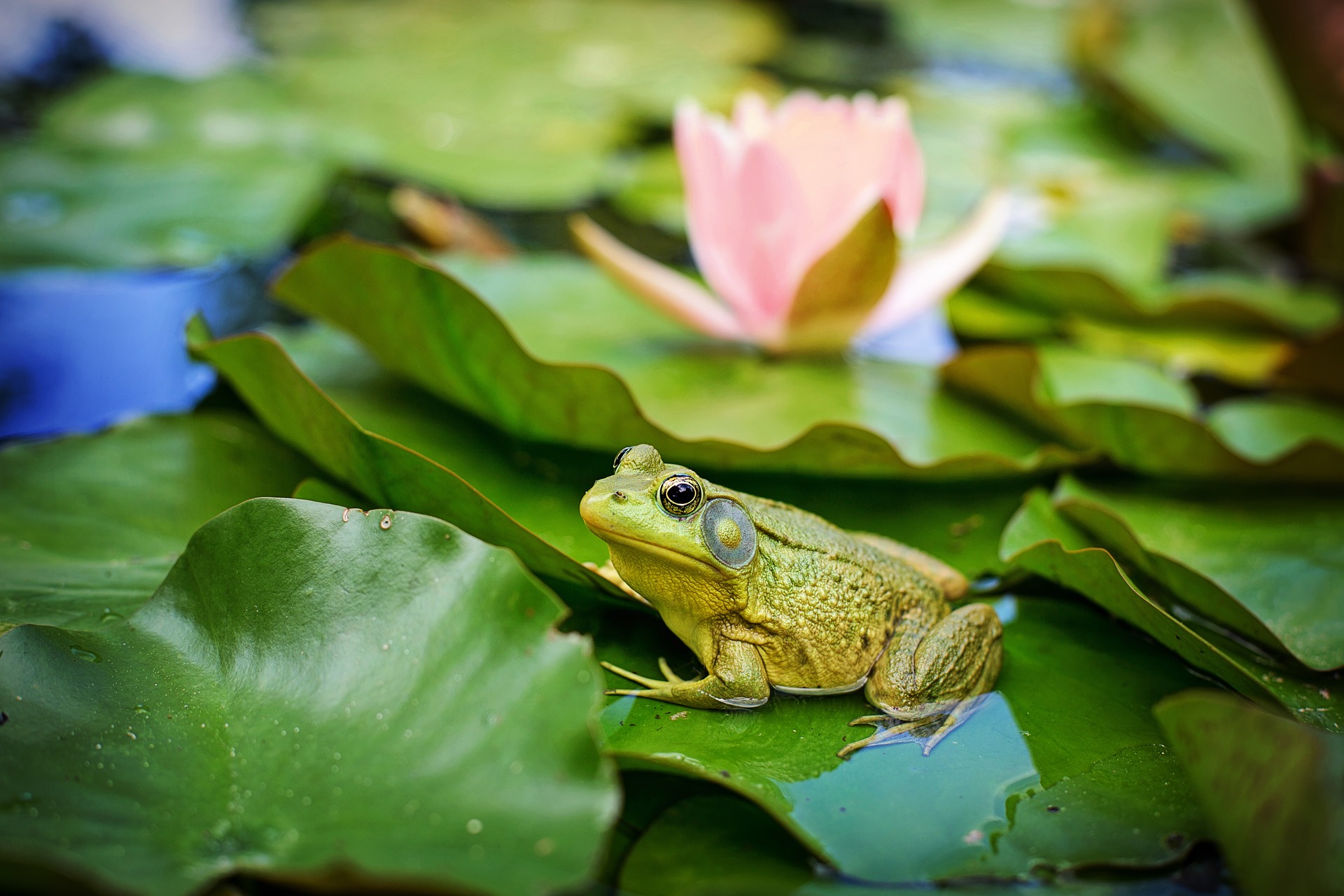
Although mainly used as a stop off for tourists on the way to Muan or Kasane, Gweta is worth visiting for its namesake, the species of bullfrog that live in the area. The amazing creatures hide themselves in the sand until it rains and then emerge from their sandy slumber.
‘…amazing creatures hide…’
Jwaneng
Built on the richest diamond mine in the world, the name Jwaneng means the place of small stones; these small stones are far more valuable than an average pebble however. In just one year the mine produced over 13 million carats from a whopping 10.5 million tons worth of ore. The town has amenities such as guest houses and restaurants. The mine here also supports the nearby Jwana Game Park home to the white rhino.
‘…home to the white rhino…’
Kasane
Kasane is situated between the Four Corners of Africa; where Botswana, Zimbabwe, Namibia and Zamibia meet. It is a great spot to stay for visits to the Victoria Falls in Zimbabwe or Botswana’s own Chobe National Park. The town’s own attractions include a huge Baobab tree that was once used as a prison due to its trunk that is so large a human can enter. There is also a snake park that houses around 50 snakes from 17 different species. The town is also wonderfully situated for exploring the Chobe River.
‘…Baobab tree used as a prison…’

Makgadikgadi Pans National Park
The Makgadikgadi Pans National Park stretches from the Boteti River and for this reason supports a vast and diverse ecosystem. The wildlife is particularly varied in the dry season when animals come from miles around to the river which is the only source of water for a long way.
‘…vast and diverse ecosystem…’
Maun
Maun is often used by tourists as a stepping stone for the Okavango Delta but it has enough about it to merit a few nights stay. The hotels, restaurants and tourist amenities here are some of the best in the country, largely due to the fact that the city is the main tourist stop in the country. The town attracts a wide range of safari travellers.
‘…best in the country…’
Moremi Game Reserve
This park is the first reserve solely founded by local residents who were growing concerned about natural and man-made threats to the local environment and wildlife. Situated on the east side of the Okavango Delta, the reserve offers some of the most stunning scenery in the country and boasts an equally impressive ecosystem.
‘…most stunning scenery…’
Okavango Delta
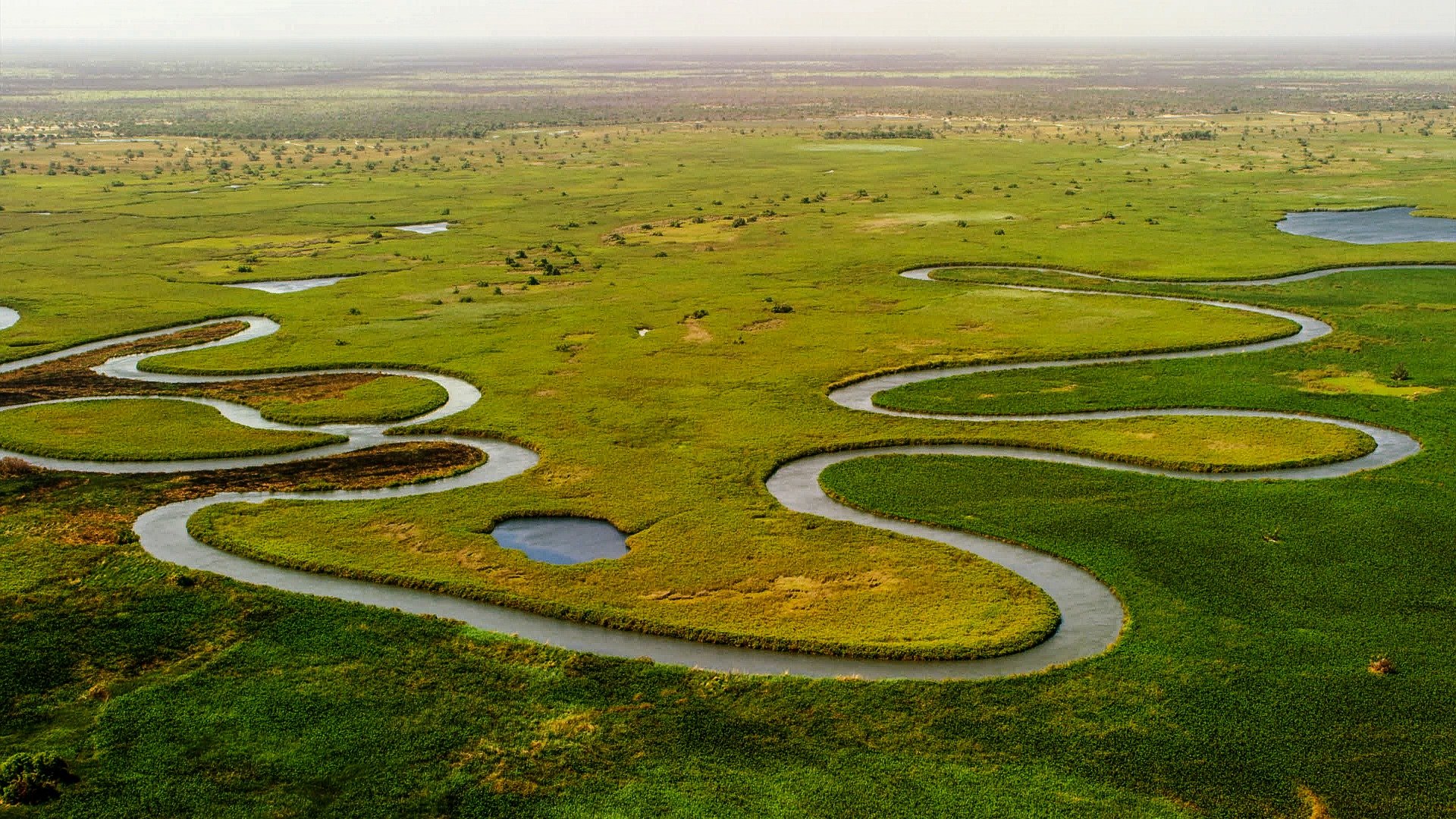
The Okavango Delta is one of the most awe-inspiring wilderness locations in Africa, if not the entire planet. The Delta is a truly unspoiled wilderness with terrain ranging from dry grasslands to swamps. Safaris and game watching are the most popular activities in the park and possible animals to be sighted include cheetahs, zebra, giraffes, elephants, crocodiles and rhinos to name a few.
‘…Safaris and game watching…’
Savuti
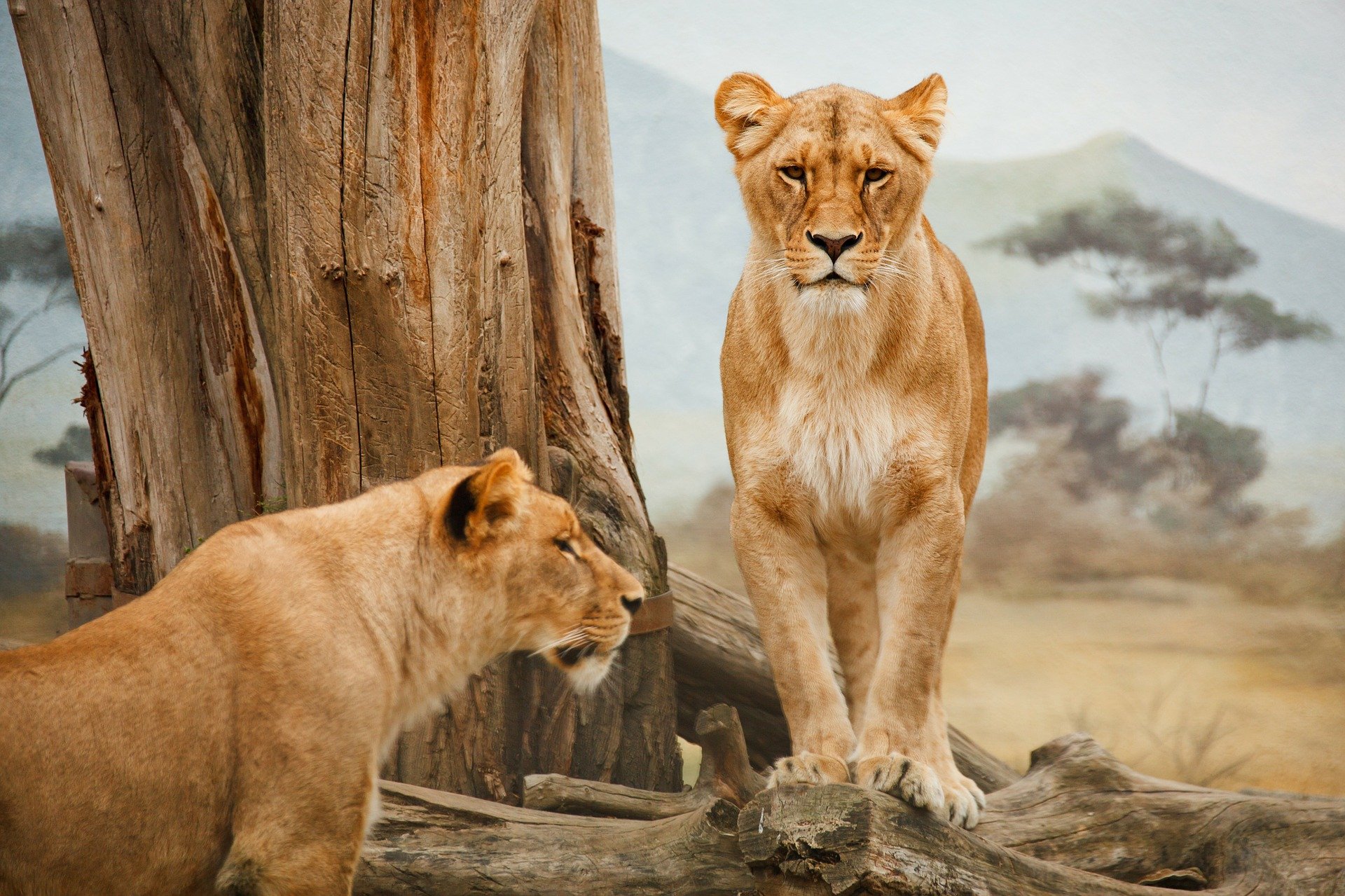
Savuti is one of the most popular safari destinations in Botswana due to its prime location in the very corner of the Chobe National Park. Throughout the year, all of the most popular and impressive animals, except rhinos visit the region due to the river here. The landscape here is large and somewhat barren but was once a super lake that filled a void in Northern Botswana. The area has a wealth of luxury lodges for travellers looking to spend money for the best of the best.
‘…most popular impressive animals…’
Tsodilo Hills
The Tsodilo Hills appear almost suddenly out of the ground in the northwest Kalahari. These imposing rock formations of varying shapes and sizes are made more impressive by the relative flatness of the surrounding land in the Kalahari. The Tsodillo Hills are a Unesco World Heritage site and are home to an amazing 4000 cave paintings spread out over 200 locations. The cave paintings, along with other evidence, suggests that the hills were first inhabited over 30,000 years ago.
‘…amazing 4000 cave paintings…’