Instead of being miserable during the coronavirus pandemic, people across the world are sharing kind gestures. People are making sure those in quarantine don’t feel alone, and are turning cancelled events into opportunities to give back.
In a time of crisis people reveal their true selves. We appreciate the many social distancing guidelines from our health care professionals, grocery-store workers, and other essential-services employees working to provide people with the care and support they need.
Here are some recent instances of everyday people and celebrities that have mobilized to fight the coronavirus pandemic.
Wawira Njiru from Kenya
29-year-old Wawira Njiru, founder of Food for Education, from Kenya is feeding 6,000 families during covid-19. Food for Education delivers nutritious meals to school children.
‘… dedication and drive …’
Many children go to school hungry all around the world and this affects their ability to grow and learn. Food for Education is using technology and wristbands to provide food to vulnerable children and their families. For most of these children, the food they get through Wawira’s program is the only stable source of nutrition they get. With dedication and drive, Wawira remains inspired to serve and draws strength and tenacity from her fellow citizens.
Oprah Winfrey
Famous talk show host Oprah Winfrey donated $10 million to coronavirus relief, including $1 million to America’s Food Fund. She believes that America’s Food Fund will be a powerful way to make a difference for neighbours in need.
Captain Gennaro Arma
After two weeks of being docked in the port of Yokohama, Japan, Captain Gennaro Arma of the Diamond Princess Cruise Ship waited until all of the passengers had left the ship safely before disembarking himself.
‘… encouraging signs and a sense of humour …’
Passengers say the Captain did his best to keep quarantined passengers on the Diamond Princess in good spirits with informative announcements, encouraging signs, and a sense of humour. Through the entire journey, he sought to bring light to circumstances and reassure passenger us as much as he could.
Dolly Parton
Although providing relief to those affected by COVID-19 is vital, one key to ending the disease itself is with a vaccine. That’s exactly what Dolly Parton, who has long been known for her philanthropy, donated $1 million toward last week.
Anastasija and Josh Davis
When Anastasija and Josh Davis of British Columbia, Canada downsized their wedding and got married at home, their entire neighbourhood surprised them by celebrating from their cars. The couple were supposed to get married on April 3 in front of 135 guests but the coronavirus pandemic escalated and gatherings of over 50 people were prohibited, they had to rethink their wedding plans.
‘… their entire neighbourhood surprised them by celebrating from their cars …’
They got married in Josh’s parents’ living room in front of immediate family and the groom’s best man. When they rode in a limousine to another location to take photos, the best man told them to roll down the window. Their friends lined the streets with signs, balloons, streamers, and music blasting from their cars and joined in the celebrations making it magical.
Lady Gaga
In addition to curating as World Health Organization benefit concert scheduled for Saturday, April 18, the pop star has also worked with the Global Citizen organization to raise more than $35 million to buy protective equipment for health care workers.
Happy Birthday to Charo
A group of neighbours on lockdown in Spain sang ‘Happy Birthday’ to Charo, an 80-year-old woman from their windows. Charo’s neighbours placed a cake with a birthday candle outside her door on her balcony and called for her to open the door.
‘… launched a rousing rendition …’
When she saw the cake, she began to cry. Her neighbours then launched into a rousing rendition of ‘Happy Birthday.’
Rihanna
The Clara Lionel Foundation, founded by Rihanna in 2012 and named in honour of her grandparents, donated $5 million to Direct Relief, Feeding America, and the World Health Organization’s COVID-19 Solidarity Response Fund, and other organizations fighting COVID-19.
Bob and Nancy’s 67th wedding anniversary
Bob Shellard celebrated his 67th wedding anniversary outside his wife’s nursing home after coronavirus restrictions kept them apart.
‘…plenty of balloons and stood outside her window …’
Bob, 90, couldn’t visit Nancy, 88, at her nursing home in Stafford Springs, Connecticut so he brought a beautiful sign he made himself, along with plenty of balloons and stood outside her window to mark their 67th wedding anniversary. ‘I’ve loved you for 67 years and still do, Happy Anniversary’ the sign read.
Leonardo DiCaprio
Along with philanthropist Laurene Powell Jobs, DiCaprio helped launch America’s Food Fund, a charity created to help low-income families, the elderly, those facing job losses, and children who rely on school meals. America’s Food Fund had raised $12 million to assist those and other suffering communities by April 3.
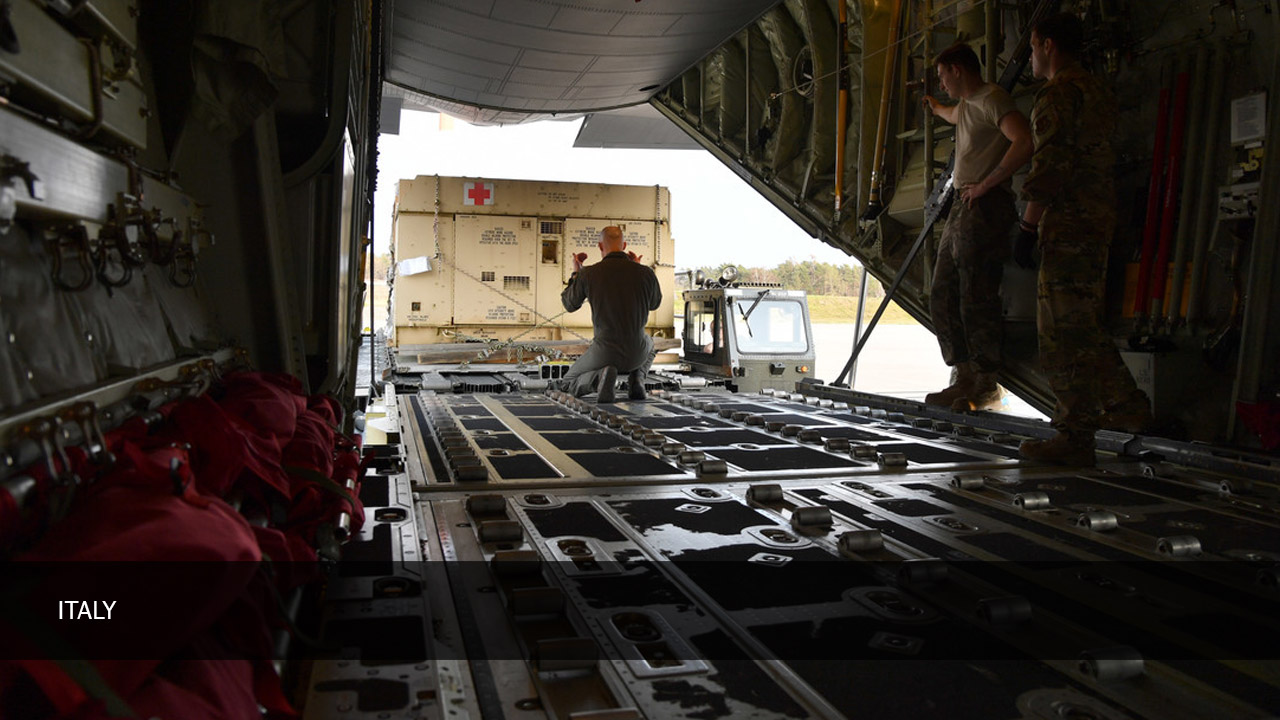
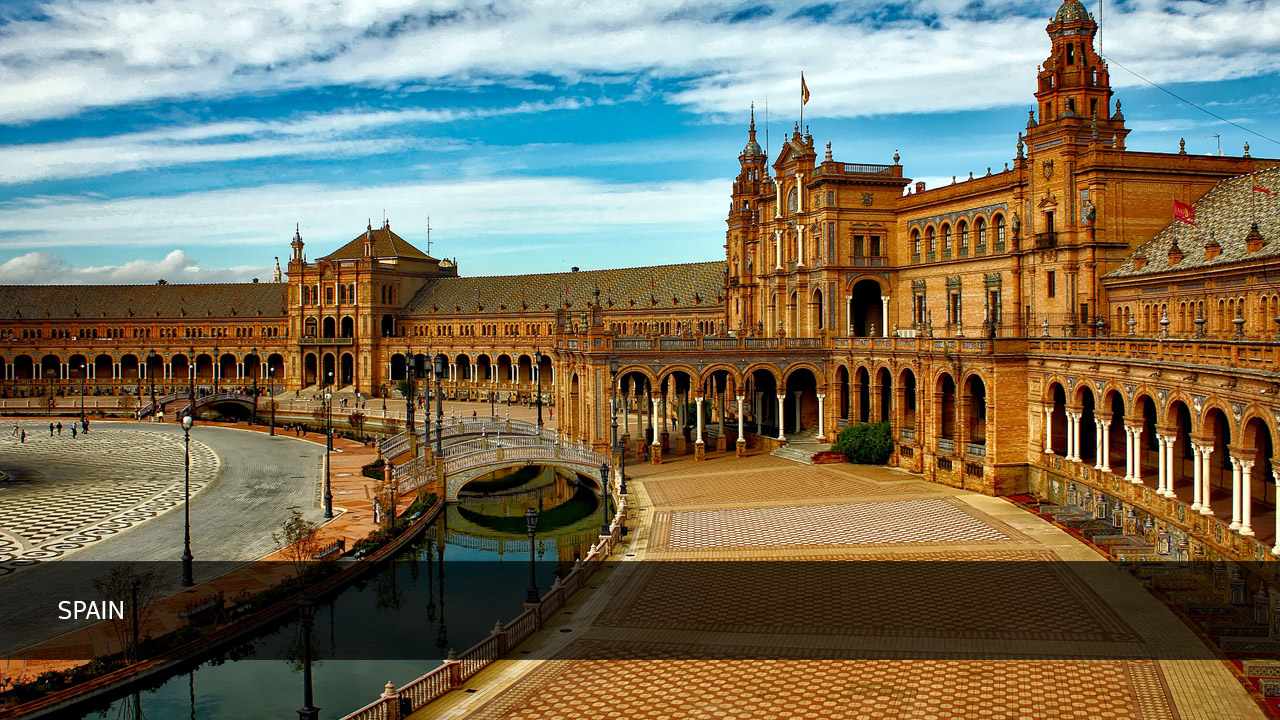
Italy, Spain, France, and Israel applaud healthcare workers
Using cell phone technology, quarantined people in Italy, Spain, France, and Israel coordinated times to amazingly applaud healthcare workers from their homes.
‘…cheering, and whistling filled the air …’
The sounds of clapping, cheering, and whistling filled the air in expressions of gratitude for doctors, nurses, and others who are tirelessly treating the sick.
Jay-Z and Meek Mill
Jay-Z and Meek Mill, who co-founded a prison-reform alliance more than a year ago, donated 100,000 surgical masks to look out for the health of one of the U.S.’s most vulnerable populations: inmates in prisons and jails across the country.
Shauna Woods and students washing hands more frequently
Shauna Woods, a third-grade teacher in Hallsville, Missouri, wanted to encourage her students to wash their hands more frequently during the coronavirus pandemic.
‘…wash your hands more often …’
She had previously used a stamp with her name on it to mark her classroom books, but Woods gave her students a new goal: wash your hands more often and get the stamp to fade or disappear by the end of the day. If they succeed, they win a prize. Woods even started stamping her own hand to set a good example. When she posted her strategy on her classroom’s Facebook page, it was shared over 81,000 times.
Kylie Jenner
The founder of Kylie Cosmetics has donated $1 million to fund protective gear for Los Angeles hospital workers. Along with her mother, Kris, and cosmetics company Coty Inc., which bought a stake in Jenner’s beauty company last year, she will divert resources to help produce hand sanitizer for hospitals.
Jonathan Schwab
Jonathan Schwab, Yeshiva University’s associate director of housing and residence life, posted a photo on Facebook of hundreds of care packages delivered from nearby communities.
‘…huge smiles on their faces …’
The gift bags contained homemade baked goods, snacks, and challah and grape juice for use on the Sabbath for students stuck in the dorms. There were streams of students with huge smiles on their faces collecting the packages. Students who’ve been under a lot of stress were overjoyed with the generosity and caring.
Miranda Kerr and Evan Spiegel
The model and the founder of Snapchat, who married in 2017, donated $10 million to various charities and non-profits around Los Angeles, including Allies for Every Child, Homeboy Industries, Koreatown Youth Community Center, Proyecto Pastoral, and the Venice Family Clinic.
Jordana Shmidman’s bar mitzvah
Jordana Shmidman’s bar mitzvah celebration in New York was cancelled due to the coronavirus pandemic. The food for the event was already prepared, so the Shmidman family told the caterers to package it up for delivery to people in quarantine.
‘…volunteers then coordinated deliveries …’
Parent volunteers then coordinated deliveries across the New York metropolitan area for staff members and their families. Around 150 boxes of food were delivered to quarantined people in Bergen County, the Bronx, Westchester, Manhattan, Queens and Rockland County.
Roger Federer
The tennis star and his wife, Mirka, donated around $1 million to help vulnerable families fighting COVID-19 in their native country Switzerland.
Get well soon cards
Fourth, fifth, and sixth graders at St. Anthony’s Home and School in Columbus, Nebraska, made get well soon cards for people affected by the coronavirus. Their teacher, Charlotte Beran, then mailed the cards to the University of Nebraska Medical Center to be distributed to those in quarantine.
‘…darling and heartfelt …’
The hospital posted a photo of the cards on its Facebook page, sharing how the cards brought joy to patients. They said the cards were a darling and heartfelt gesture that made everybody’s day.

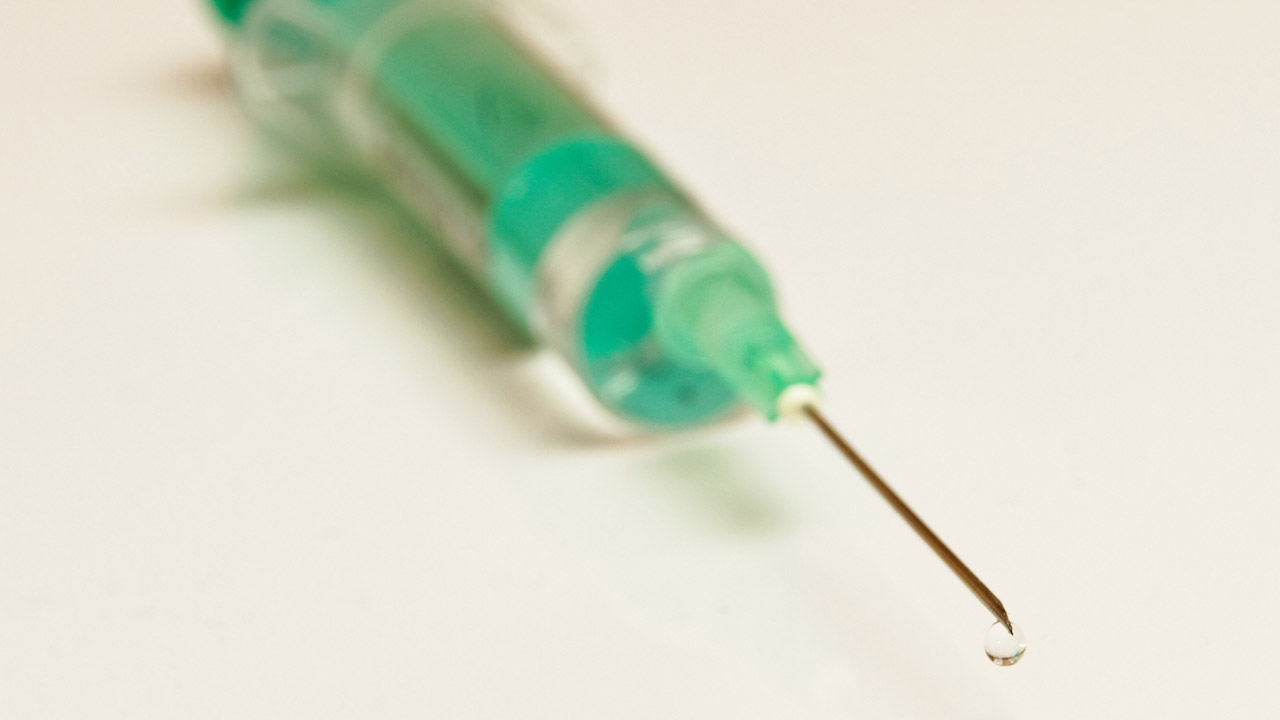 Because a vaccine can prevent people from getting sick, all eyes are turned to the prospect of a vaccine for the coronavirus. Scientists, companies and academic institutions around the world are racing to create such a vaccine. The World Health Organisation says three vaccine candidates are in clinical testing phase, while 67 potentials are in preclinical phase.

 As of 2nd April 2020, lessons from Taiwan, Canada, South Korea and Georgia show that the coronavirus can be slowed down. Taiwan and South Korea have been signalled as relative success stories for flattening the curve before infection rates soared.