With lockdowns ending around the world, many countries have started to ease border restrictions and reopen for international tourists.
The following countries are reopening for tourism. This information can change at a rapid pace so please check with us to find out what is happening in your favorite travel destination.
Albania
Albania reopened borders for international tourism on 1st July 2020. All nations are welcome, there is only temperature checks at the airport. This means no tests and no quarantines.
Antigua and Barbuda
Antigua and Barbuda reopened to international visitors on 4th June 2020 and on the same day, the island welcomed its first international flight since its borders were shut. Testing is done upon arrival.
Austria
Austria officially reopened its borders for tourism on 16th June 2020. The first 31 countries to have authorization to travel to Austria include all the European Union nations, with the exception of UK, Sweden, Spain and Portugal. Visitors from the approved EU countries can visit Austria without a quarantine period or testing.
Bahamas
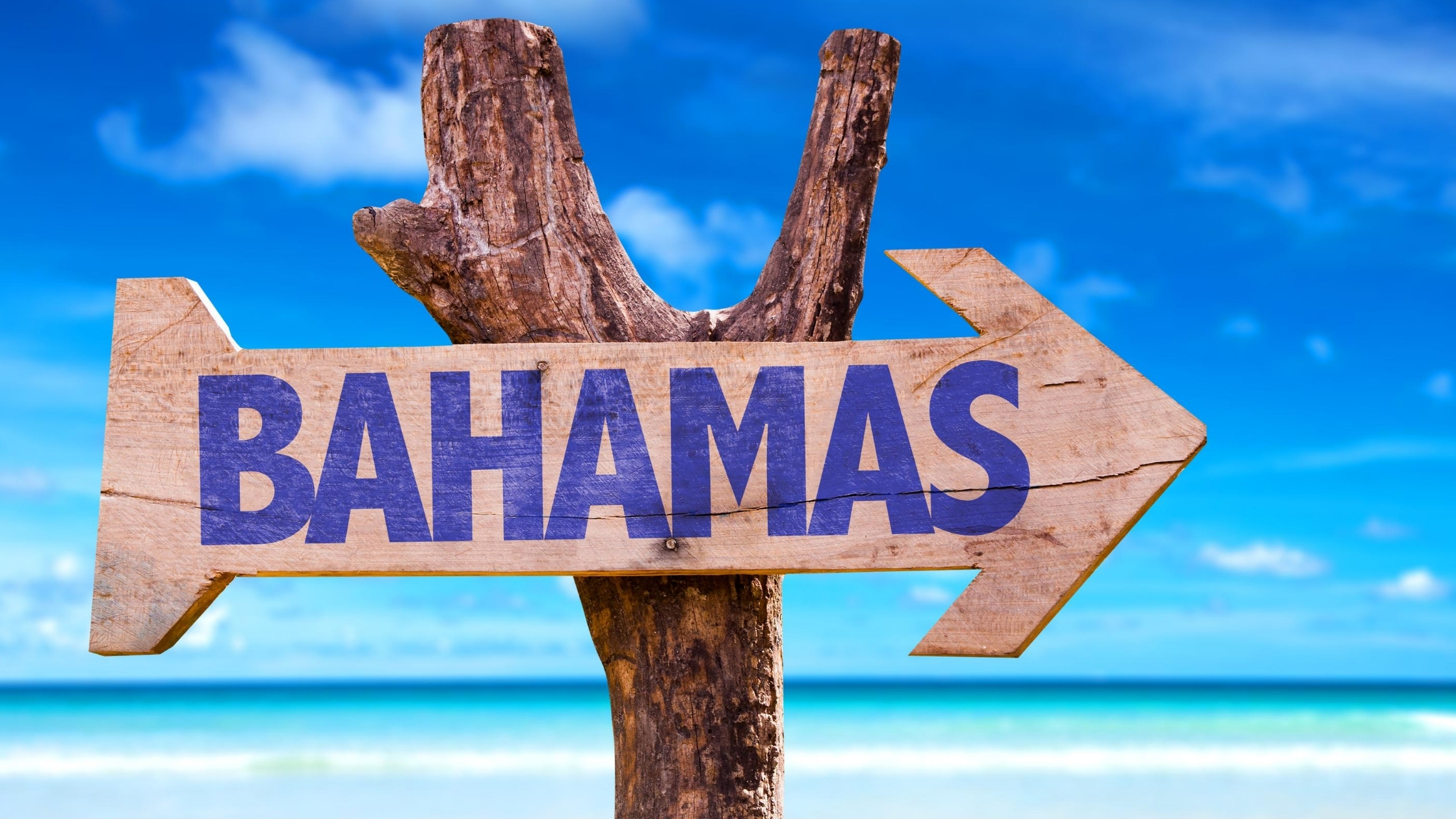
The Bahamas officially reopened for tourism on 1st July 2020. They accepted tourists from all countries as long as they follow the pre-entry protocol guide. Unfortunately, on 20th July the Bahamas banned flights from the USA due to a surge of cases.
Barbados
Barbados officially reopened for tourism on 1st July 2020, allowing tourists from all countries and nations to visit. There are different entry requirements depending on where travellers are coming from.
Bali (Indonesia)
The Governor of Bali announced that the island will officially reopen its borders for international tourism on 11th September 2020. The Bali Governor stated that domestic tourism will resume on 31st July 2020 if transmission remains low.
Belize
Belize will officially reopen for tourism on 15th August 2020 for all countries. Tourists must download a health app prior to arrival and are encouraged to bring a negative covid-19 test.
Bermuda
Bermuda reopened for tourism on 1st July accepting tourists arriving by air from all countries. Tourists must adhere to health protocols set out by the local government which includes bringing a certified negative Covid-19 test. No mandatory quarantine period is in place.
Costa Rica
Costa Rica will reopen its borders for tourism on 1st August 2020, allowing tourists from select low-risk countries. It’s been suggested that tourists from countries in the European Union, Canada, and the United Kingdom will be granted entry first.
Cuba
Cuba reopened for tourism on 1st July 2020, tourists are welcome to visit specific areas of Cuba; Cayo Largo Del Sur, Cayo Coco, Cayo Guillermo, Cayo Santa María and Cayo Cruz. Testing is required on arrival, but it’s free.
Czech Republic
As of 15th July certain EU nations and approved third-party nations with a low risk could enter the Czech Republic without a test or quarantine period. The list of countries that can enter the Czech Republic for tourism is dynamic and is updated at weekly intervals according to current epidemiological situations, categorizing low to high risk.
Dominica
The island nation of Dominica is officially reopening for tourism on 7th August 2020. Tourists will have to bring a negative Covid-19 test with them. Plus they will have a rapid test on arrival, and a few other entry requirements to help keep the nation safe.
Dominican Republic
The Dominican Republic reopened to tourists 1st July 2020. Social distancing and face-covering requirements remain in effect to slow the spread of coronavirus.
Egypt
Egypt reopened its borders for tourism to seaside resorts 1st July 2020. Tourism brings in around $1billion in revenue for Egypt each month
Estonia
Estonia is officially reopened for tourism. Most EU nations have been able to visit since 1st June 2020, and select third-party countries from 6th July 2020.
French Polynesia (Bora Bora and Tahiti)
On 15th July 2020, Tahiti, Bora Bora, Mo’orea and other French Polynesian islands reopened to tourists from all countries and did not require a mandatory 14-day isolation period for visitors. However, yes, tests are needed to enter.
Georgia
Georgia has announced it will be ready to receive all international tourists starting 31st July 2020 to specific zones of the country.
Germany
Germany officially reopened to tourists on 15th June 2020 allowing 31 countries to cross its borders for the purposes of tourism. On 2nd July 2020 Germany announced the reopening to select third-party countries outside the EU, like Canada, Thailand and Montenegro
Greece
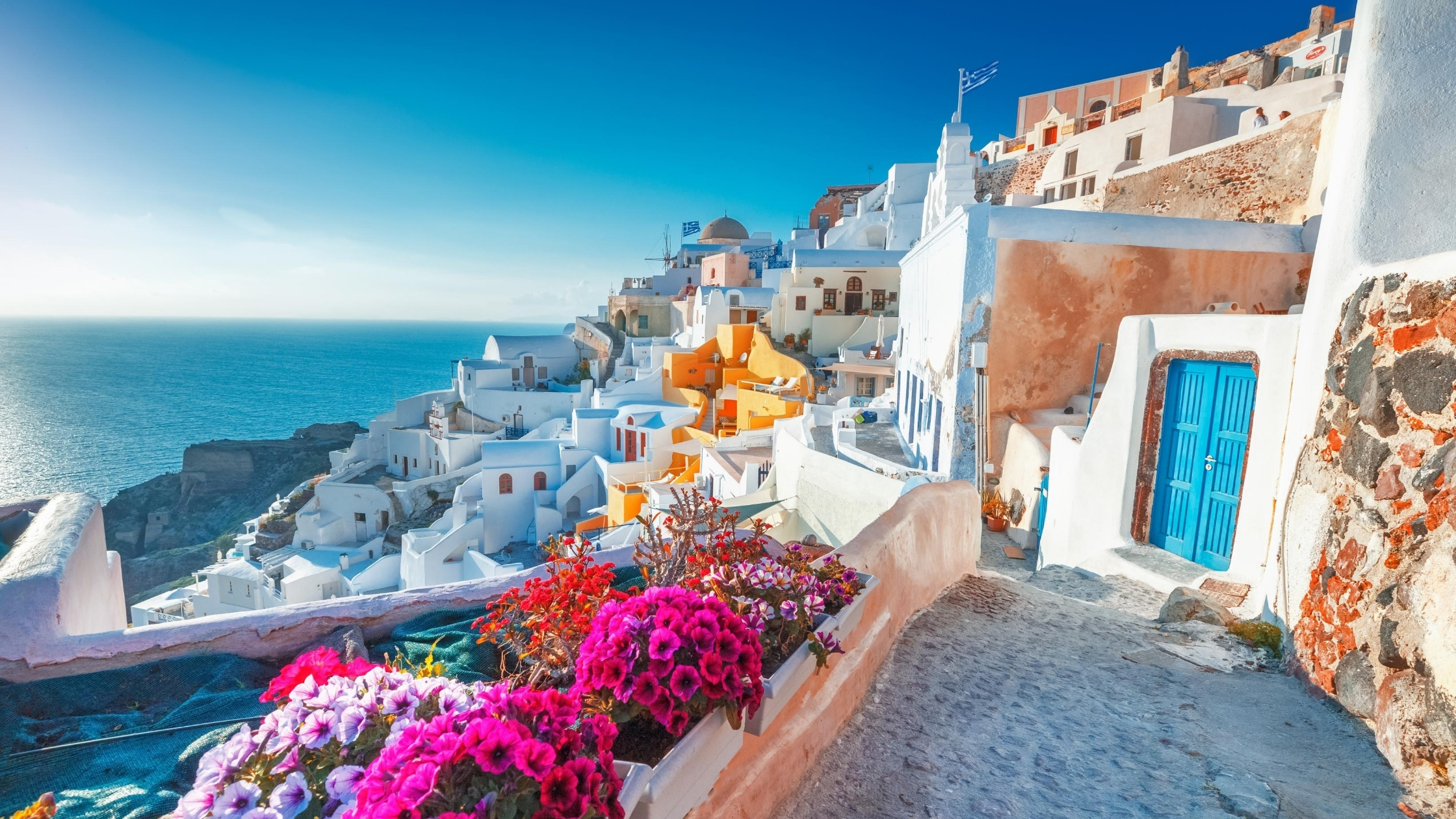
Greece officially reopened to tourists in June 2020. Since 15th June 2020 the country had no restrictions to travellers coming from 29 countries. As of 1st July 2020 Greece approved 15 third-party nations like Canada, Japan, and Australia to visit.
Hungary
As of 16th July 2020 Hungary opened for tourism and allowed select countries to visit, while banning others that have little or no cases.
Iceland
Iceland reopened its borders to tourists from 15th June 2020. Passengers arriving have a choice: They can either choose to be tested free of charge for Covid upon arrival or go into quarantine for two weeks.
Italy
Starting 3rd June, Italy reopened its borders to tourists from 26 countries without any restrictions upon arrival.
Jamaica
Jamaica officially reopened its borders to all international tourists on 15th June 2020. Unlike some countries opening throughout the world, Jamaica is not restricting incoming travellers from any particular countries.
Kenya
President Uhuru Kenyatta has announced that Kenya will be reopening for international tourism on 1st August 2020. The country will also lift all internal travel restrictions on the same day.
Maldives
Maldives’ border reopened for tourism on 15th July 2020 and international flights resumed. Tourists from all countries may enter the Maldives. A health declaration card must be completed and all visitors must go through thermal screening. Every tourist is given a free 30 day visa.
Malta
Malta reopened for tourism on 1st July 2020 allowing visitors from 20+ nations to enter the country without an isolation period. On 11th July 2020 Malta added more third-party countries to their approved list, plus, a way for countries not included to apply for an exception.
Mexico
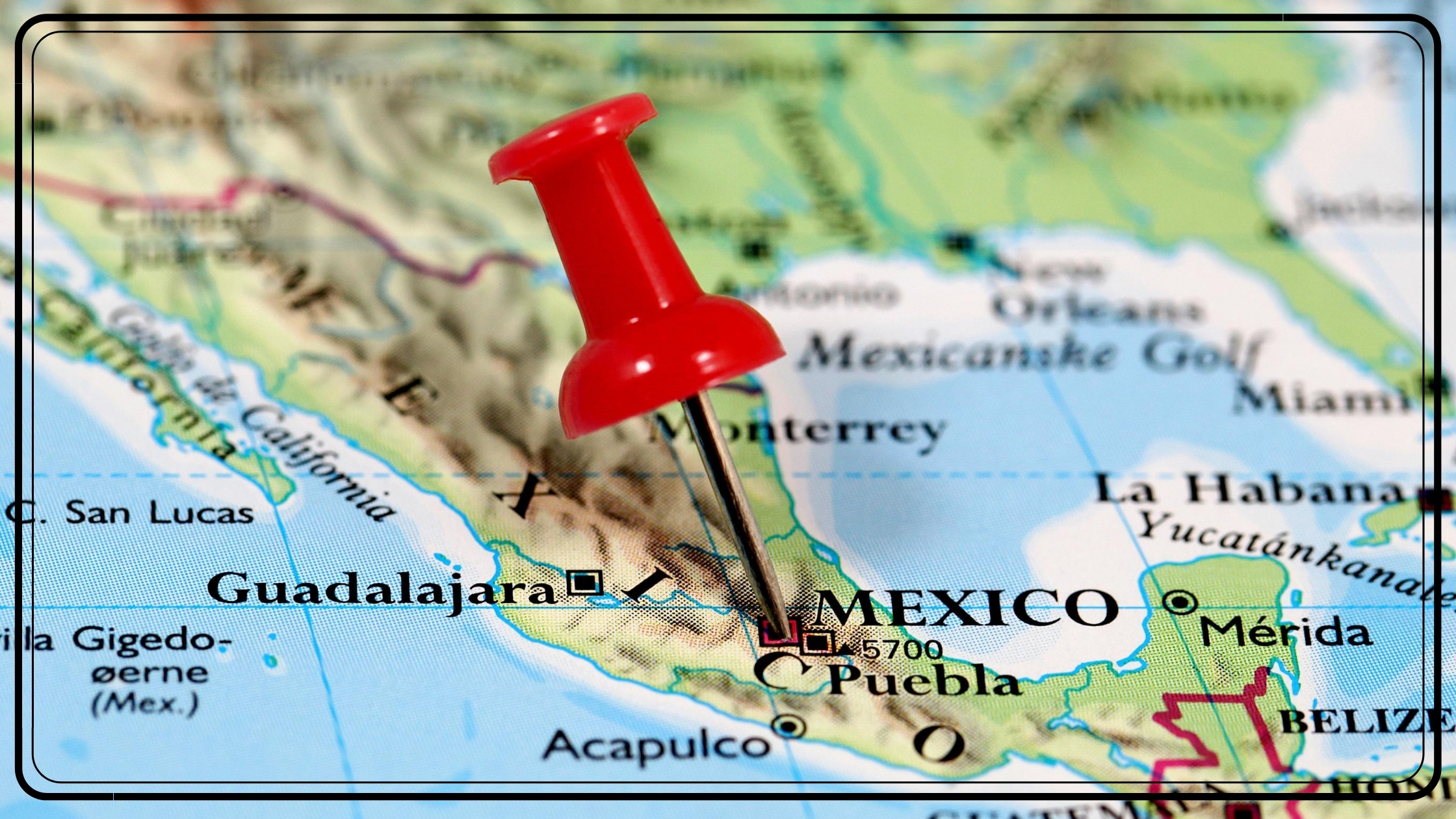
Popular Mexico destinations such as Cancun and Playa Del Carmen officially reopened for tourism on 8th June 2020. The government launched a ‘light system’ to categorize the amount of covid-19 infections in each region. Until each region turns orange, cities do not have permission to restart tourism activities.
Montenegro
As of 1st June 2020, Montenegro reopened to tourists and began accepting international arrivals from 131 countries.
Netherlands
On 15th June 2020, the Netherlands reopened to tourists from countries in the European Union and the Schengen area. On 1st July 2020 they reopened to further third-party countries suggested by the EU, including Canada, Japan and others.
North Macedonia
The Republic of North Macedonia has officially reopened for international tourism on 1st July 2020 and is allowing tourists from all countries to visit restriction free.
Poland
Poland reopened for tourism on 13th June 2020 lifting restrictions to visitors coming in from the 26 countries of the European Union. EU countries do not have to quarantine or isolate when they arrive in Poland.
Portugal
As of June 2020, Portugal reopened its doors for tourism from select countries. Mainland Portugal does not require a confinement or isolation period for new arrivals. Tourists are welcome in Portugal with some health checks at airports but no compulsory quarantine for those flying in.
Romania
Romania reopened for tourism on 7th July 2020. Tourists from most EU nations and some approved third-party nations can travel to Romania, relatively restriction free.
Russia
Russia officially reopened its borders for international tourism on 15th July 2020. Russia no longer requires foreigners to self-isolate for 14 days after arrival. Those arriving in Russia need to present English or Russian-language proof that they have tested negative for the coronavirus in the past 72 hours to be allowed entry.
Rwanda
As of 17th June 2020 Rwanda reopened for tourism, with no restrictions based on nationality or country of departure. Visitors are required to present a negative PCR test taken no longer than 72 hours before boarding and will be retested upon arrival.
Saint Lucia
Saint Lucia reopened its tourism industry in phases on 4th June 2020. Visitors are required to fill out an online form, present certified proof of a negative COVID-19 test within 7 days of boarding their flights, and upon arrival in St. Lucia, they must continue to wear facemasks and practice social distancing.
Serbia
Serbia is officially reopened for tourism to all nations. As of 22nd May 2020, Serbia allowed visitors to travel to the country under normal ‘pre-Covid’ regulations. That includes no mandatory testing and no isolation period for arriving tourists.
Seychelles
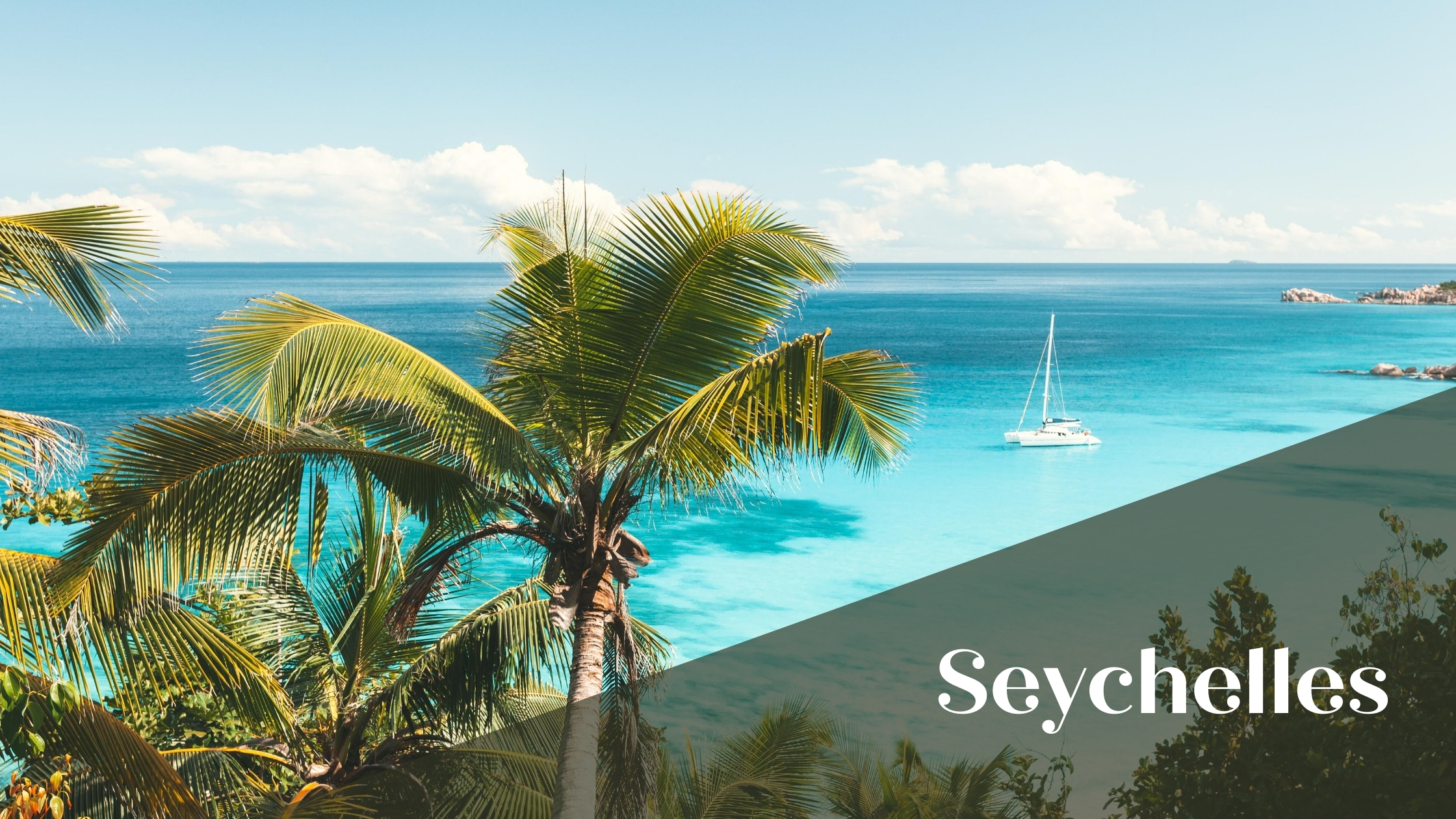
As of 1st June 2020 the Seychelles reopened to tourists from 19 countries, with another 17 countries being considered. The first 19 countries allowed into the Seychelles for the purposes of tourism are quite the mixed bag. They vary from countries in the Middle East, Asia, Europe, and the South Pacific, but they all share something in common; they’re all are considered ‘low risk’ due to low incidences of cases, responsiveness from the countries health system.
Spain
Spain officially reopened for tourism on 21st June 2020 to all tourists coming from countries within the European Union. Then, starting on 3rd July 2020 Spain reopened borders to additional countries.
Sri Lanka
Sri Lanka is officially reopening for tourism on 15th August 2020 allowing all countries and nations to visit. As long as visitors agree to bring a negative PCR test with them, and agree to have another test upon arrival, there is no quarantine period.
St. Vincent and The Grenadines
St. Vincent and the Grenadines officially reopened tourism on 1st July 2020 allowing tourists from all countries to visit. All arrivals must be tested until 1st August 2020, thereafter only higher-risk arrivals will be tested, and fellow Caribbean nations can come in without tests.
Switzerland
Switzerland reopened to tourists on 15th June 2020 allowing visitors from all EU and EFTA states and Great Britain to enter. Then on 20th July 2020, 14 third-party nations like Canada, Japan and South Korea were allowed entry.
Tanzania
As of June 2020, Tanzania accepted tourists under normal and regular ‘pre-covid’ border rules. No mandatory quarantine period is in place, however temperature checks, mask wearing, and social distancing is in effect. There is no mandatory 14-day isolation or quarantine period for travellers into Tanzania.
Tunisia
Tunisia reopened its sea, land and air borders to select tourists on 27th June 2020. A color-coded system was implemented to show which countries may enter without restrictions and which countries can enter with enhanced restrictions.
Turkey
Turkey reopened its borders to international tourism on 12th June 2020. Tourists from all countries and nations are welcome under normal travel regulations.
United Arab Emirates (Dubai)
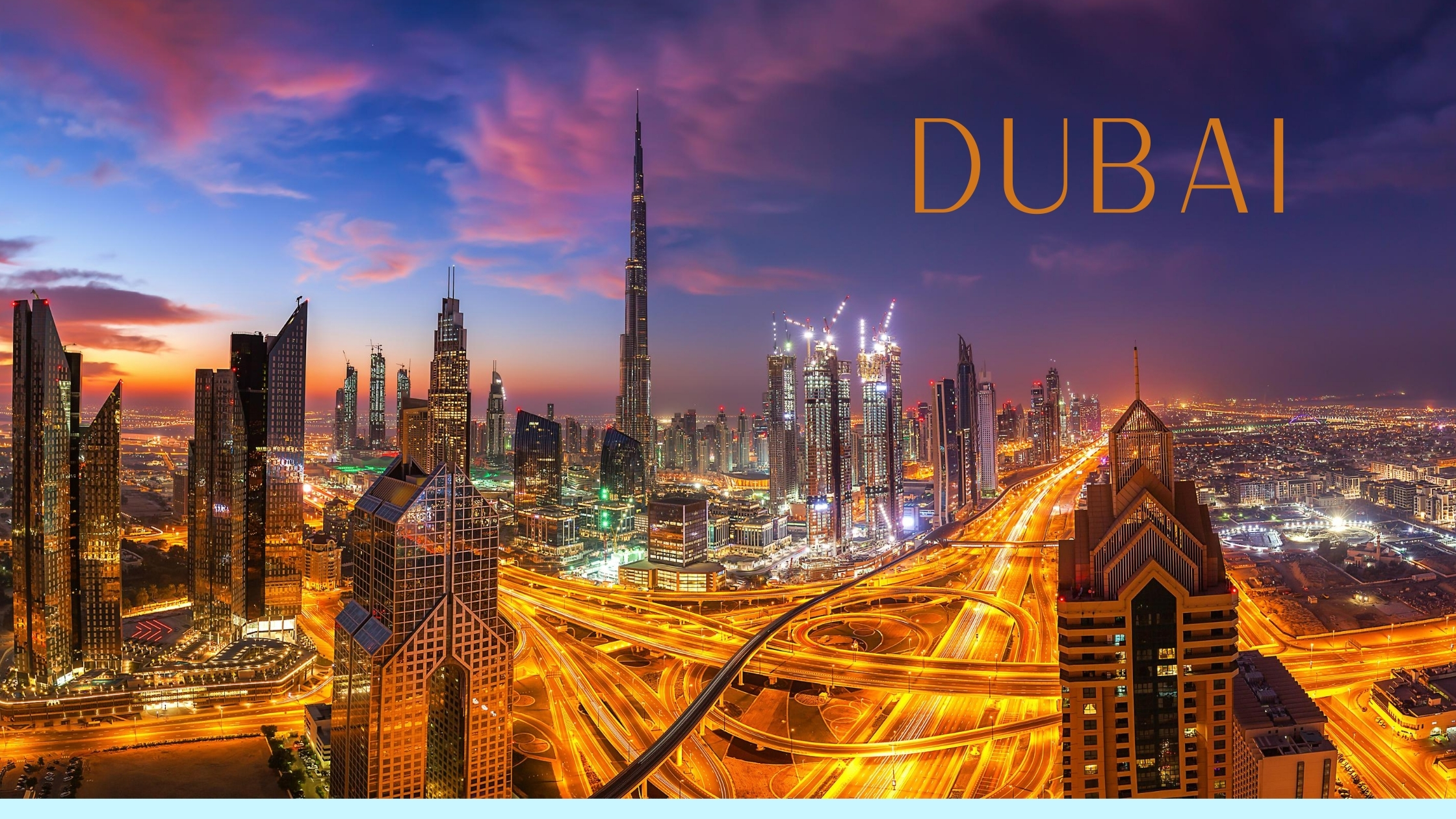
Dubai, UAE officially reopened its borders for international tourism on 7th July 2020 allowing travellers from all normally permitted countries to visit. Travellers must bring a negative PCR test with them no older than 96 hours before boarding, download an app to monitor health conditions, and have travel health insurance.
United Kingdom
The United Kingdom reopened to international tourists in June with new covid-19 prevention measures in place. Since 8th June 2020 all visitors arriving from other countries can enter the UK but face new strict quarantine measures before any vacation or traveling can begin. Visitors are required to self-isolate for at least 14 days.


 T
T