Continent of Africa welcome to visit
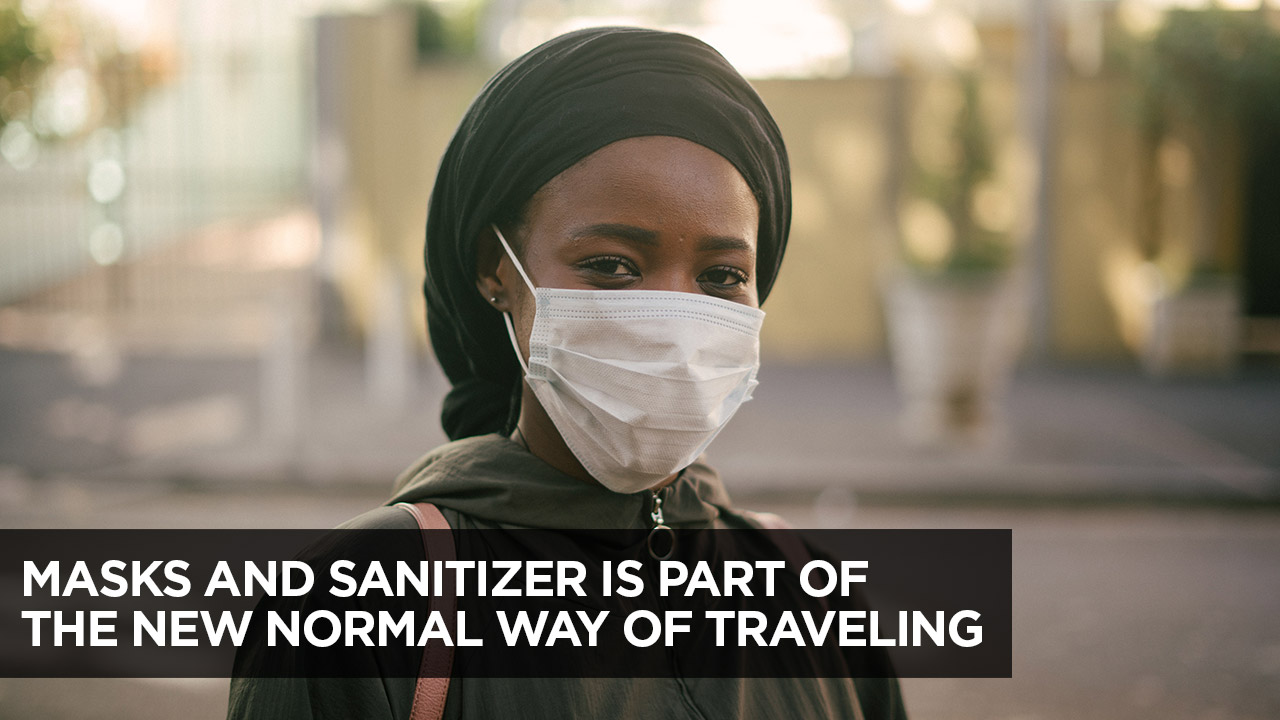
South Africa’s borders start to reopen for tourism on 1st October 2020. The good news is that Nigeria and the rest of the African continent are allowed to visit.
At the start flights are limited to the country’s main international airports; Cape Town airport, OR Tambo in Johannesburg and King Shaka in Durban.
The three international airports are ready to facilitate cross-border travel and will obey the measures and protocols that are in place for safe world travel.

Easy entry requirements
For the safety of tourists, South Africa recommends and will ask travellers to download the ‘Covid Alert South Africa’ mobile app but this is not compulsory.
On arrival, travellers need to present a negative Covid-19 test result not older than 72 hours from time of departure.
All travellers will be screened on arrival and those who show symptoms will be required to have a Covid-19 test. Where necessary, travellers will need to enter mandatory quarantine facilities at their own cost.
At the moment the United Kingdom, the United States, India, Russia, France and the Netherlands are considered high-risk countries and are not permitted entry into South Africa. The high-risk category is drawn up in terms of the World Health Organisation criteria and will be revised every two weeks.
Recovery of tourism
South Africa announced that they are really looking forward to welcoming visitors once again. The opening of borders is a major milestone towards the recovery of tourism on the African continent. South Africa is among the safest tourist destinations in the world.
After six months of lockdown, South Africa is eager to rejuvenate tourism and share the adventures, game drives, hiking and other unbelievable memorable tourism experiences that the country has to offer.
Amazing holiday destination
South Africa has astounding natural beauty and is more often than not picked as the most amazing holiday destination by tourists. Tourists love the beaches, the luxury accommodation and beautiful coastal drives. South Africa also has an astonishing variety of marine life; it’s the best place in the world to view whales from beaches and to swim with great white sharks.
With some of the best national parks in the world, South Africa has been rated the finest wildlife destination on earth. It’s the perfect place to experience great sunsets with giraffes or elephants. The country has more species of large mammal than anywhere else in the world.