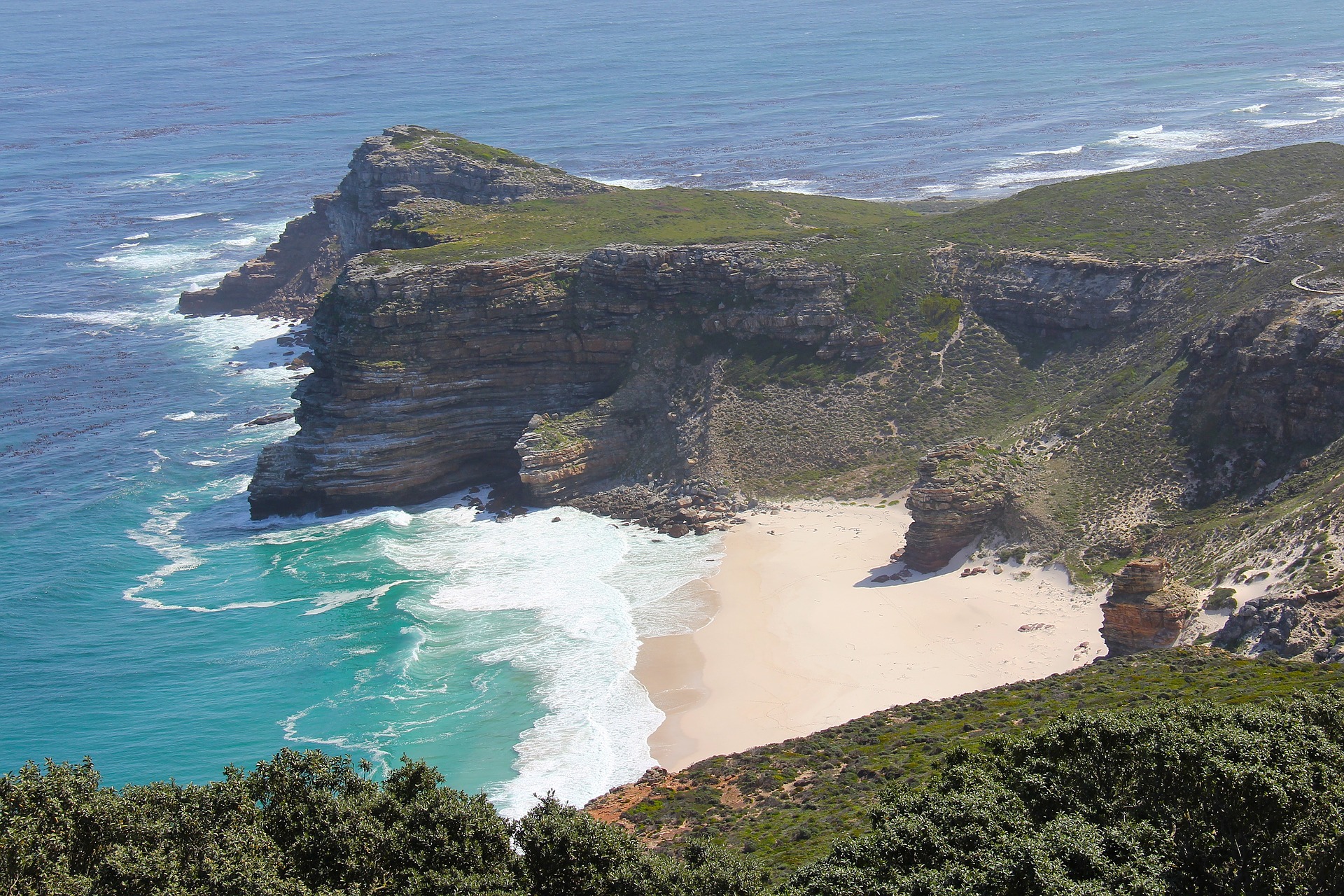
The Cape of Good Hope is one of the most popular tourist fascinations in Cape Town. It is here that the Indian and Atlantic Oceans meet and offer stunning view of the sea, flora and fauna.
Cape of Good Hope Nature Reserve
The Cape of Good Hope Nature Reserve forms part of Cape Peninsula Park and is known globally for its extraordinary land formation, rich and diverse fauna and unique flora. There’s no other place in the world with an area of such spectacular beauty and such rich biodiversity that exists within a metropolitan area, the thriving and cosmopolitan City of Cape Town.
‘…diverse fauna and unique flora…’

The Nature Reserve is a floral treasure, with over one thousand different species of Cape Fynbos; Afrikaans for ‘fine bush’. The Cape Fynbos has international recognition as one of the world’s six Floral Kingdoms, although definitely the smallest. The Cape Peninsula with 2256 species, and the Cape of Good Hope Nature Reserve with 1036 species, have the highest concentration of plant species for similar sized areas in the world.
‘…one of the world’s six Floral Kingdoms…
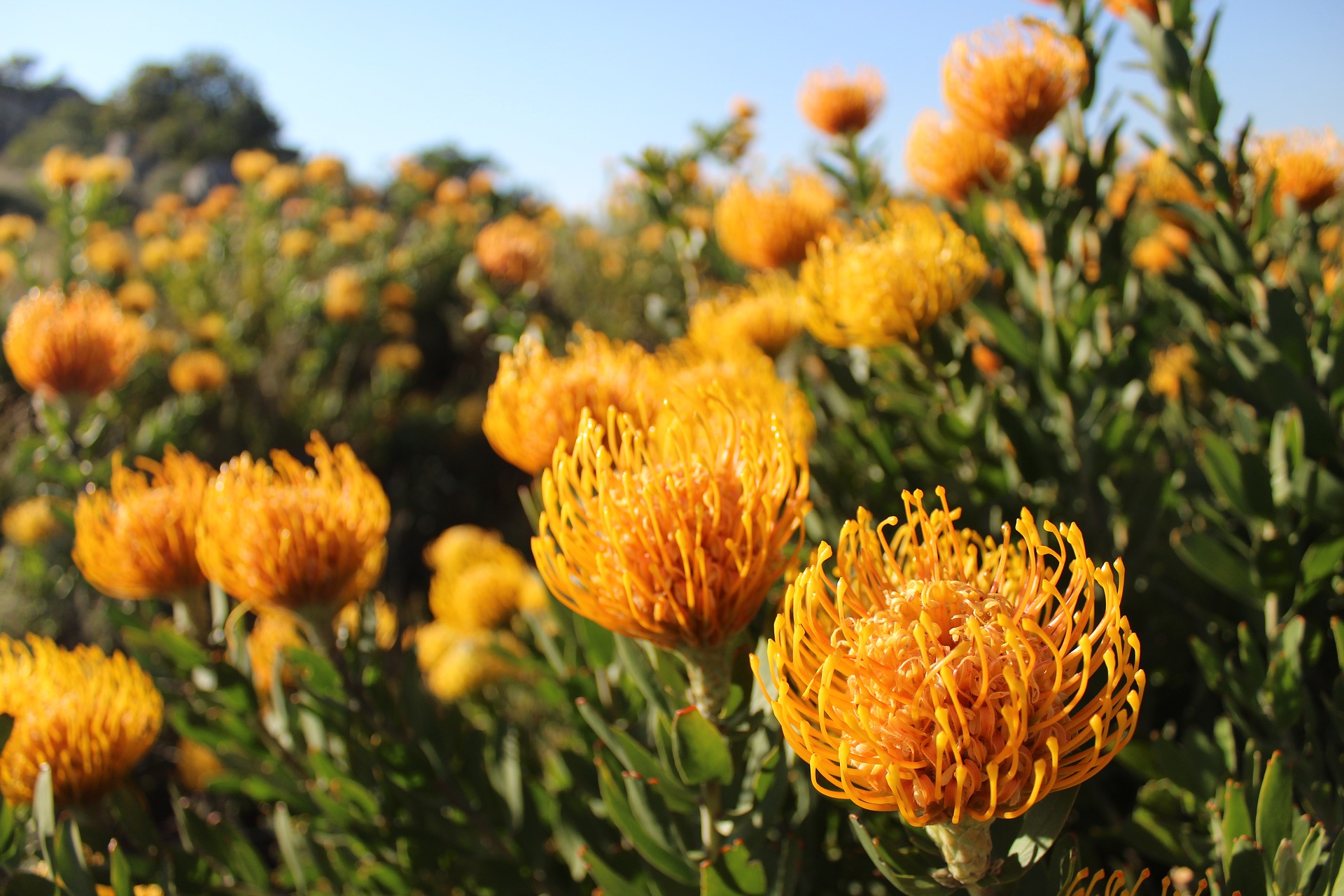
The Nature Reserve is built on thin and sandy soils, providing surroundings where the Cape Fynbos flourishes. Although the Reserve isn’t primarily a game reserve, animal lovers will not be disappointed.
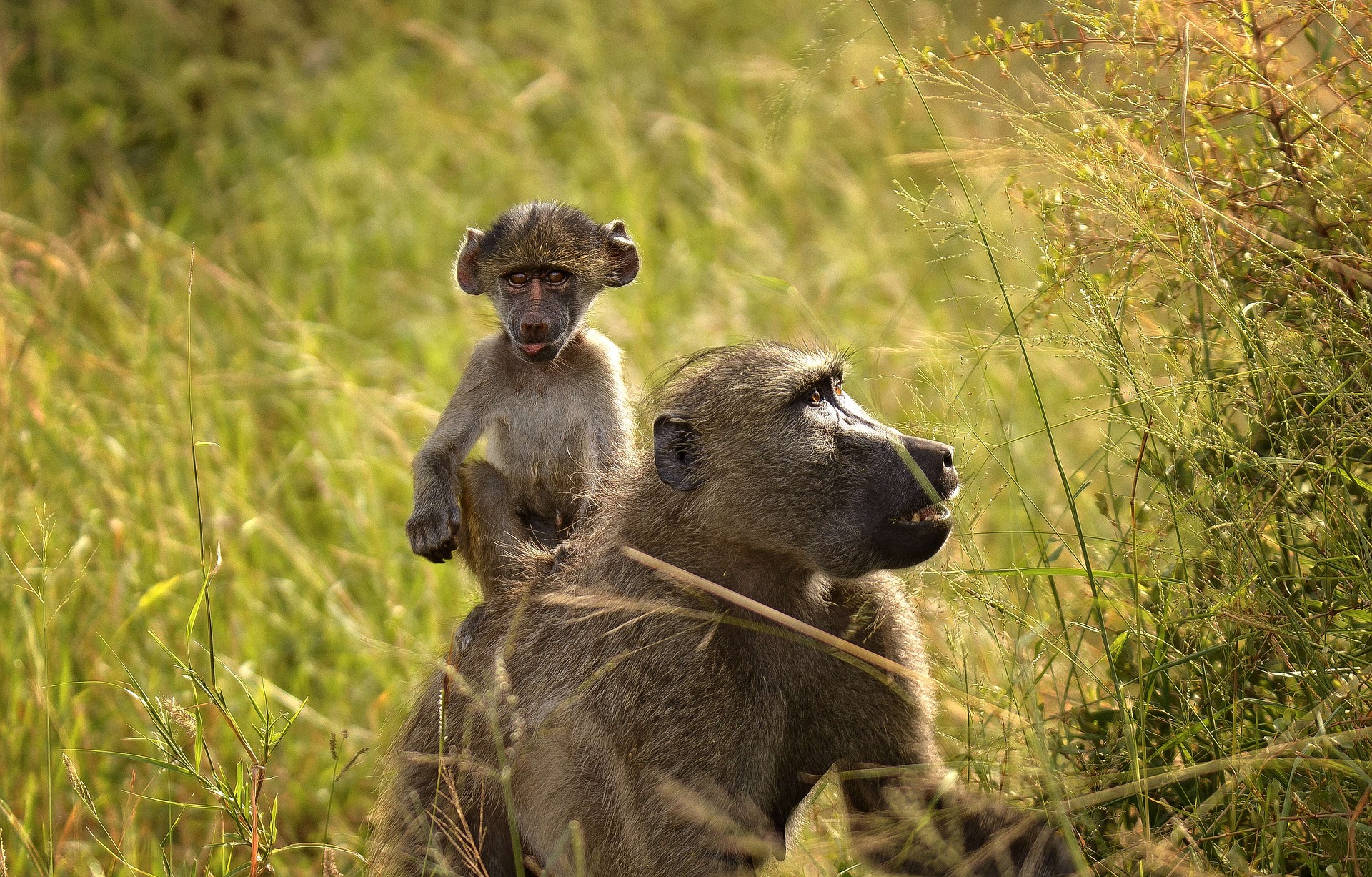
The Chacma Baboon troops on the Cape Peninsula are the only protected population of this species in Africa. Urban development and geographical isolation from other baboon populations threatens their existence. While they feed mainly on fruits, roots, bulbs, honey, insects and scorpions, they may be seen roaming the beaches during low tide, seeking sand hoppers and shellfish.
‘…Chacma Baboon, only protected population of this species in Africa…’
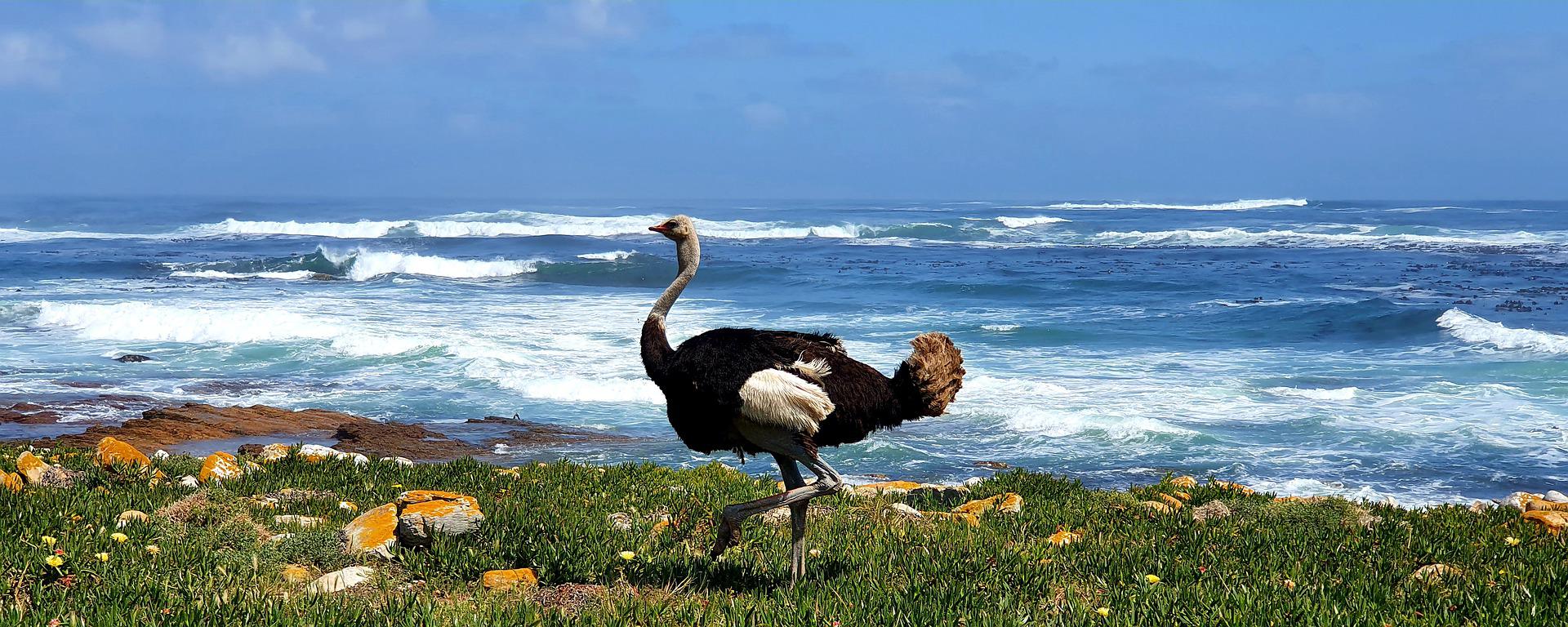
The vegetation is low lying and doesn’t provide much cover or foraging habitat for bush birds. Other bird species include the Fish Eagle, the Steppe Buzzard, the Spotted Eagle Owl and Baaird’s Sandpiper, as well as the large yet agile Ostrich, these are but a small selection of the Reserve’s offerings.
‘…large agile ostrich…’
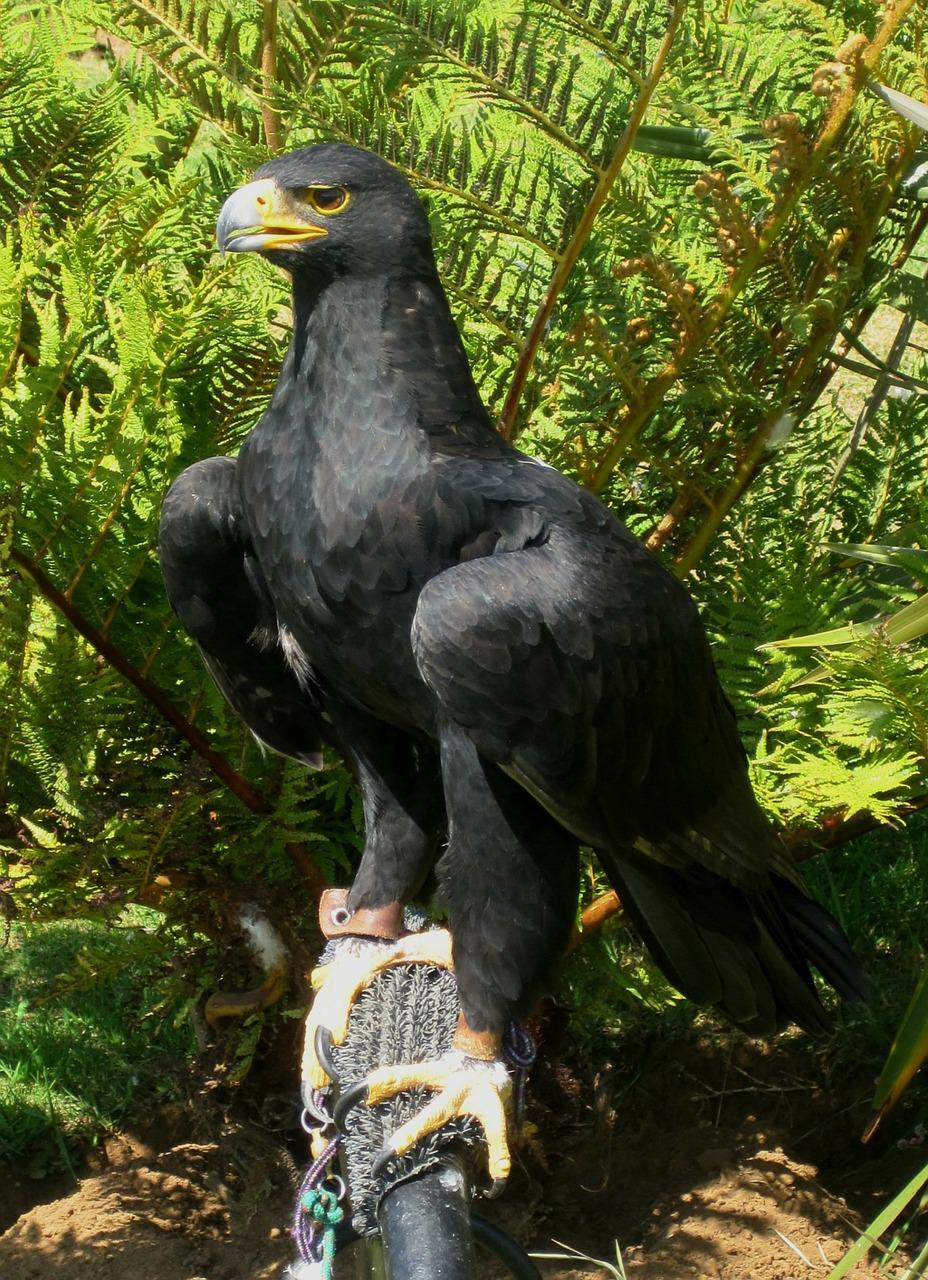
Bird lovers can spot 250 species of birds, from the large Black Eagle down to the tiny Spotted Prinia. Seagulls that leave their footprints on the beaches. Sugarbirds and sunbirds feed on the sweet nectar of the proteas, while Egyptian Geese soak up the sun on the rocks.
‘…250 species of birds…’
There are a number of antelopes in the Nature Reserve. Animal lovers will be able to see the elusive Cape Mountain Zebra, Eland, Cape Grysbok, Red Hartebeest and Grey Rhebuck. The beautiful Bontebok closely escaped extinction in the early 1900’s and was named the rarest antelope in the world, but it has recovered well here in the Reserve.
‘…beautiful Bontebok closely escaped extinction…’

Cape Point Beaches
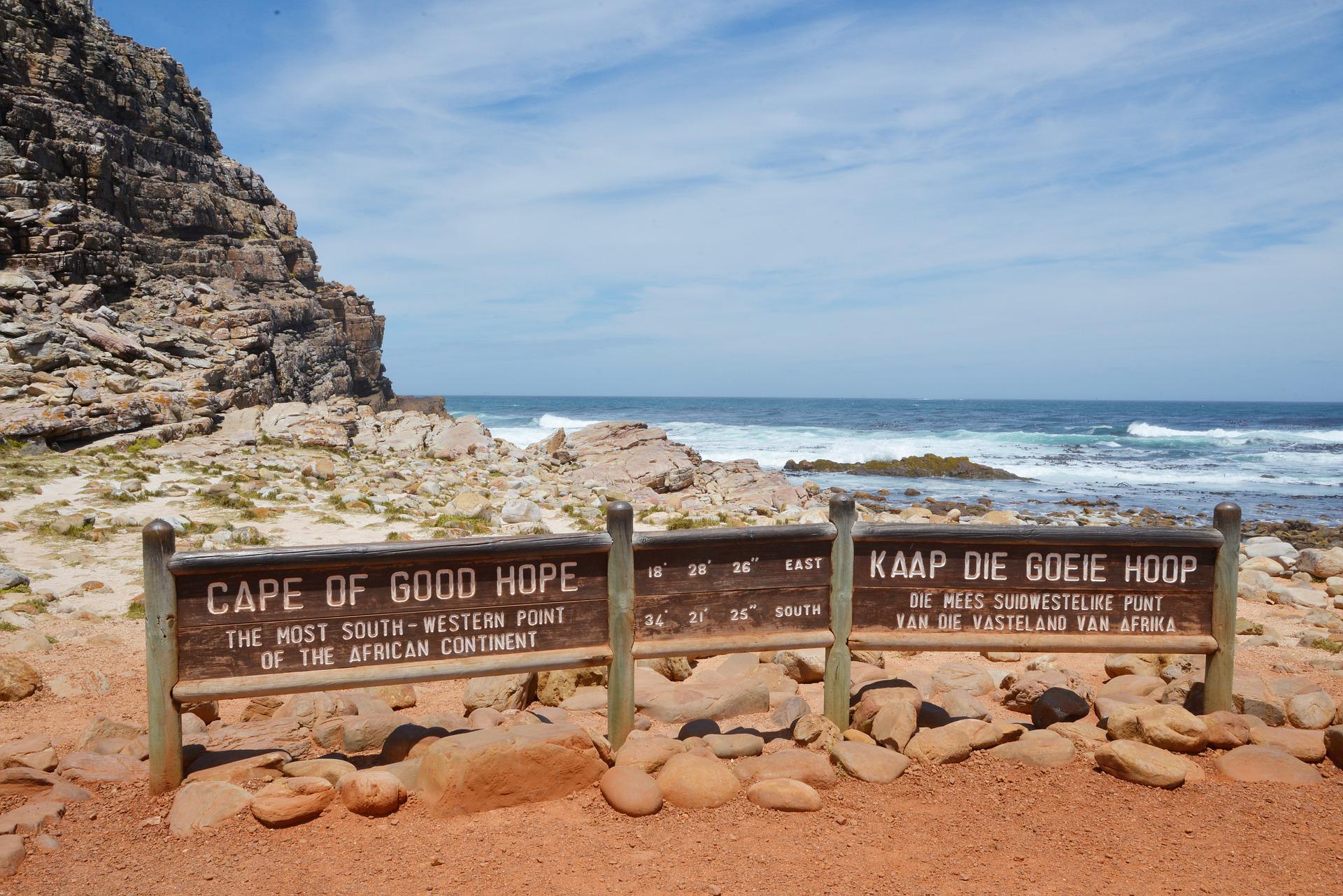
The Cape of Good Hope is a scenic wonder, where soft white sandy beaches alternate with rugged stretches of rock and breath-taking cliffs. The cliffs at Cape Point are among the highest coastal cliffs in the world. The mingling of the icy Atlantic Ocean with the warmer Indian Ocean results in a unique coastal environment and one of the most creative marine zones worldwide. Famous shipwreck diving spots are also found along the beaches of Cape Point.
‘…rugged stretches of rock and breath-taking cliffs…’
The Fairest Cape of them all
Even with its harsh reputation among early navigators as a ‘Cape of Storms’, the Cape of Good Hope is also a place of gentleness, tranquillity and alluring beauty. The Reserve offers brilliant scenic and exploratory walks, and despite the visitors the peace remains undisturbed. A visit to this nature’s gem will enrich you with memories of bright flowers, perfect skies, seas of azure and sun soaked beaches.
‘…bright flowers, perfect skies, seas of azure…’