A host of countries have in the last few days started easing their coronavirus lockdowns, allowing people to move around and businesses to reopen. While stringent rules apply, indications are that no country has reported a significant surge of Covid-19 cases since the easing.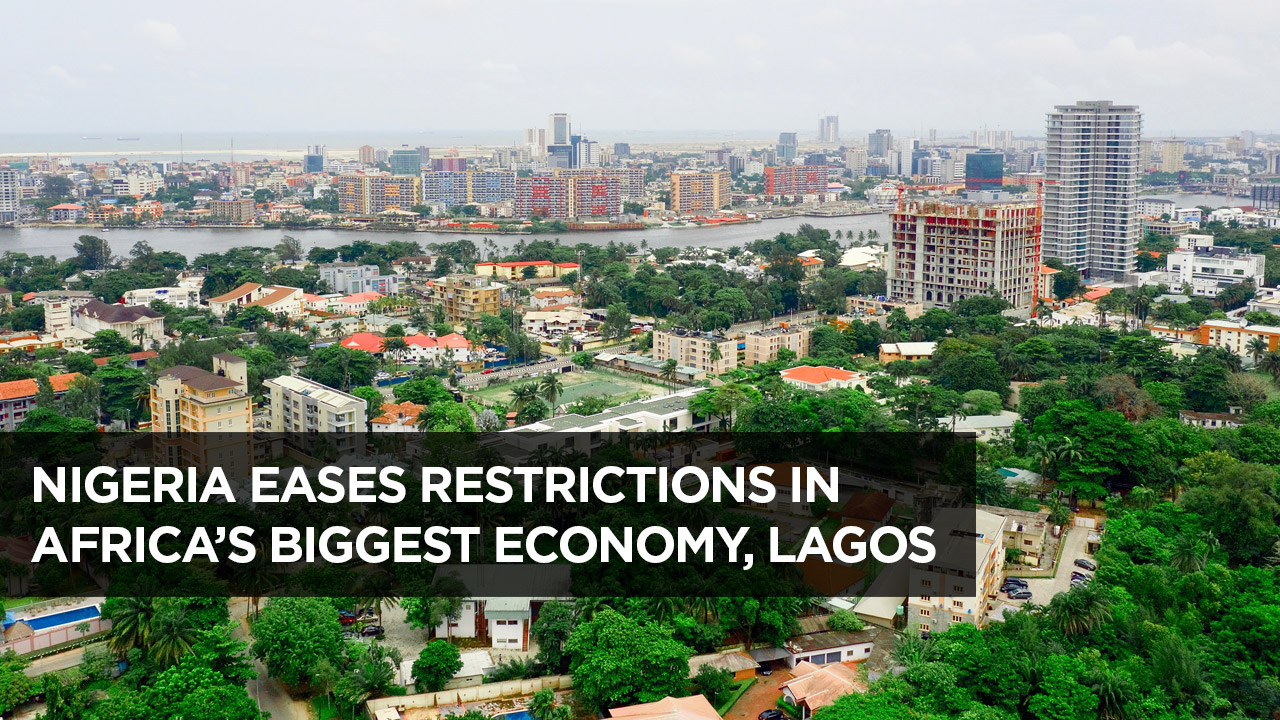
Nigeria has begun easing restrictions in its capital Abuja and in Lagos, its largest city, marking the reopening of Africa’s biggest economy after more than four weeks of lockdown.
‘…the streets of Lagos were busy with cars,
buses and motorised tricycle taxis…’
The stay-at-home in Abuja and Lagos will be lifted gradually over a six-week period. On Monday morning, the streets of Lagos were busy with cars, buses and motorised tricycle taxis. Businesses may reopen provided they have decontaminated offices, can enable social distancing and offer hand sanitizer and hand washing. Schools and places of worship remain closed, restaurants can only operate on a takeaway basis, and all cultural events remain cancelled.

The Czech Republic has allowed people to cycle, jog, and hike in the countryside without face masks as long as they practice social distancing. It has also reopened outdoor sports facilities. The country clamped down on the virus early in its outbreak, by declaring a state of emergency before even recording its first death. They plan to open large shopping malls, restaurants, theatres, and museums throughout May if cases don’t increase.
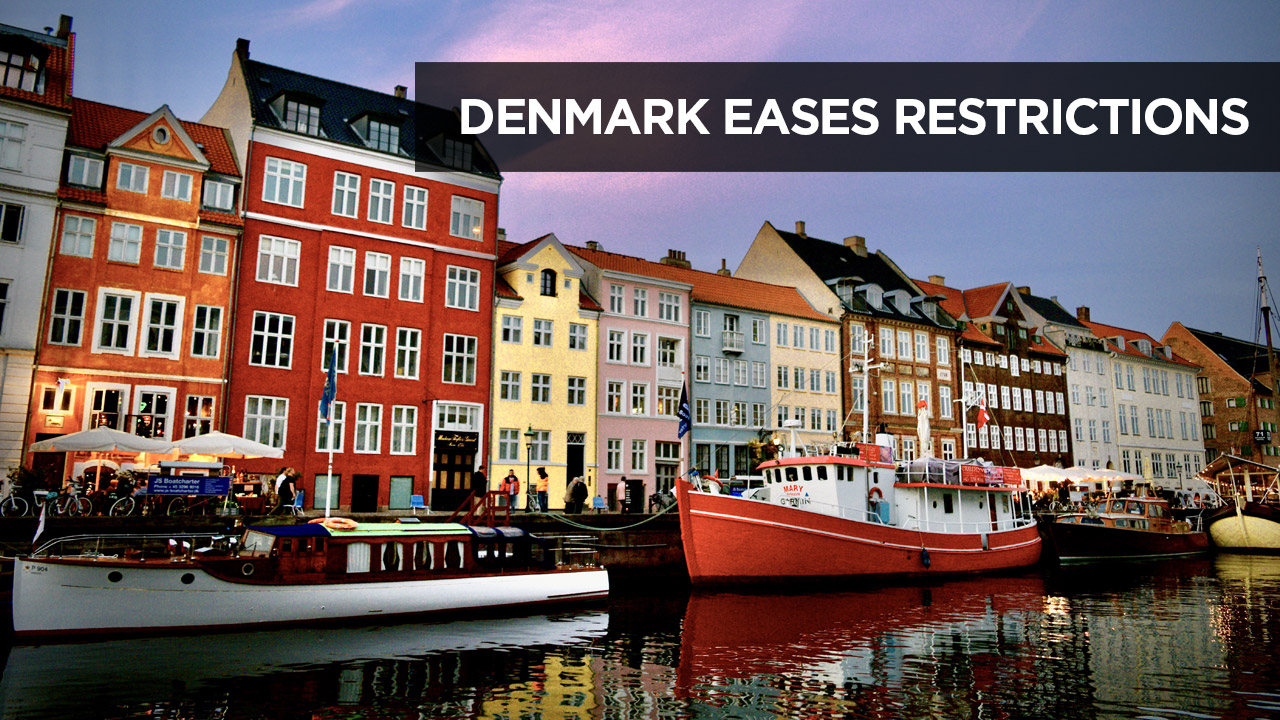
Denmark has lifted restrictions by reopening schools for children up to age 11, and keeping them far apart and limiting the number of children per class. The country also reopened places like courts, beauty salons, and hairdressers.
‘…courts, beauty salons, and hairdressers…’
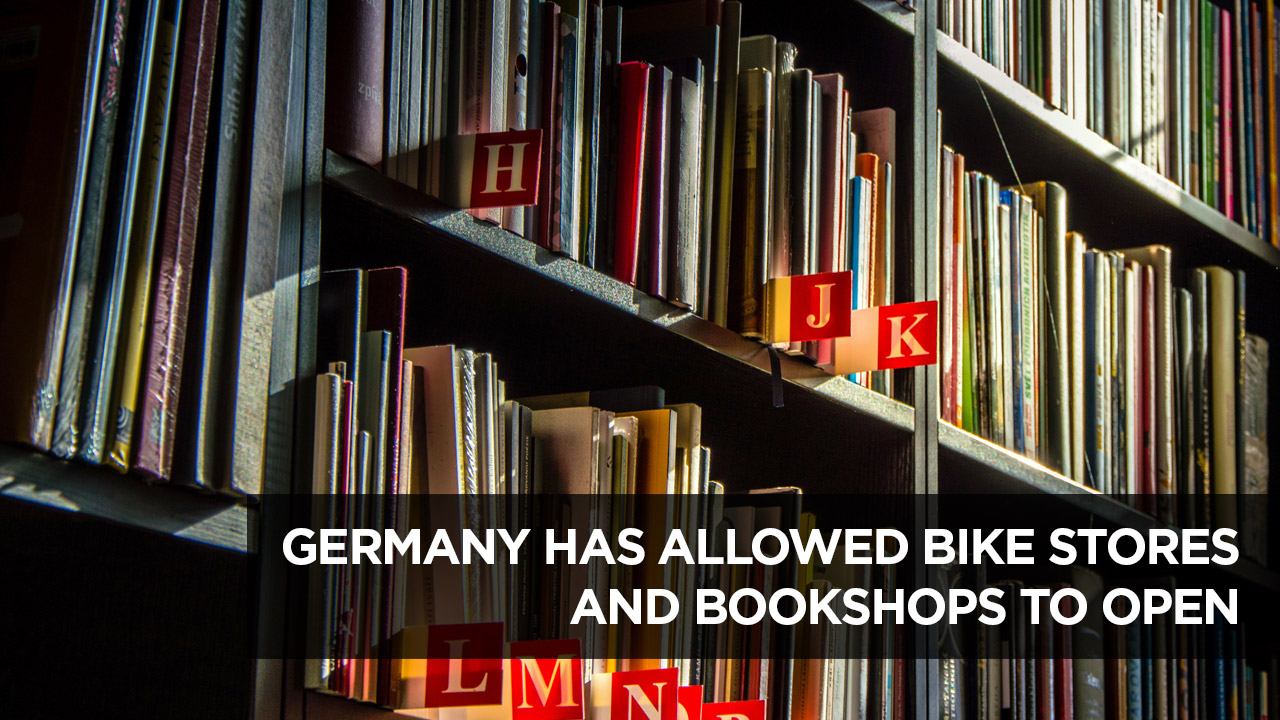
Germany has allowed bike stores and bookshops to open. The country is making a lot of progress but are monitoring infections with earnest. Germany has plans to ease further lockdowns soon by opening schools and hairdressers. Bars, cafes, and restaurants remain closed, with large gatherings banned until the end of August. Germany’s infectious diseases agency reported that the number of new cases is falling daily.
‘…opening schools and hairdressers…’
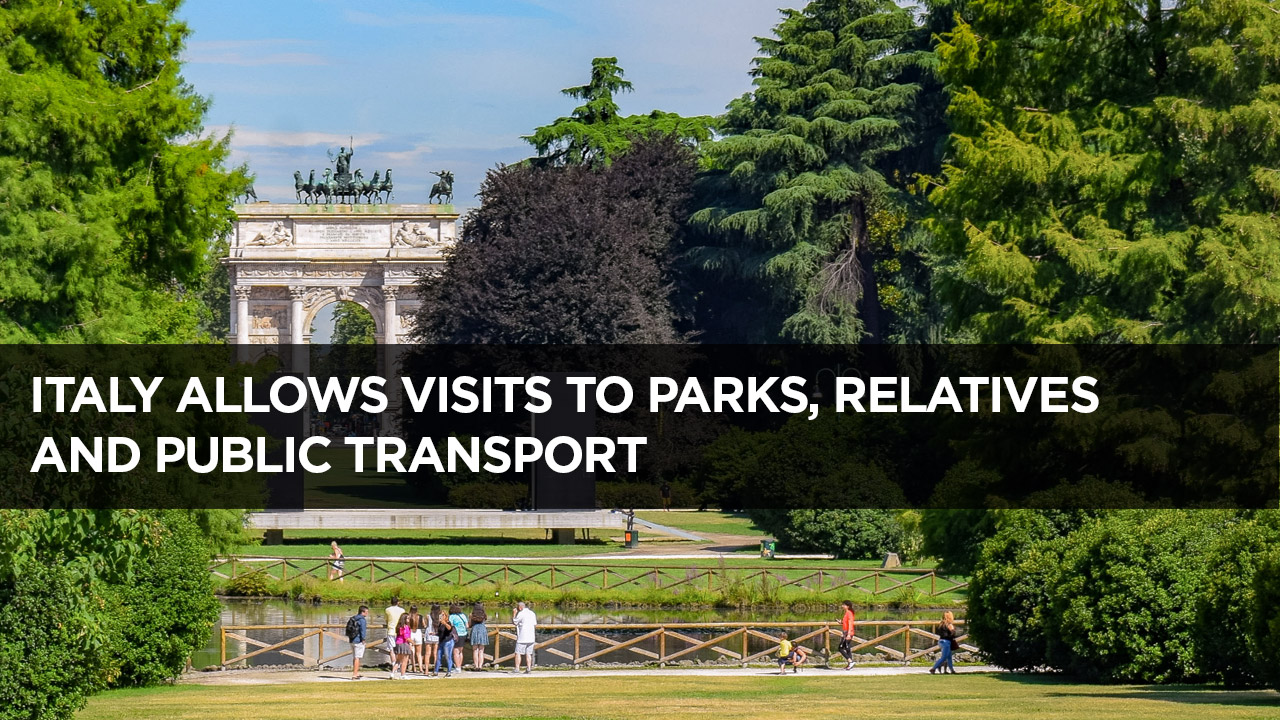
Italy has announced a gradual easing of restrictions from May 4, including people being allowed to visit parks, visit relatives living in the same region, and take public transport with a limited number of people on board.
‘…visit parks, visit relatives…’
Norway recently reopened preschools and schools for slightly older children. They also lifted restrictions on people staying in second homes and reopened businesses like hairdressers.
‘…managed to gain control of the virus…’
The country hasn’t recorded any spike in cases so far. Prime Minister Erna Solberg said “Norway has managed to gain control of the virus, the job now is to keep that control.”
Poland has reopened parks and forests and has relaxed rules about the number of people allowed in shops.
‘…reopened parks and forests…’
Poland hasn’t seen any increase in the rate of new cases, but the Health Minister Lukasz Szumowski said “rules would be tightened if that changes.” The country plans to soon take more steps like opening hotels and preschools.
Spain allowed children age 14 years to go outside once a day for one hour. There has been no spike in cases or deaths since. Plans are in place to let people of other ages go outside for walks and open places like bars, with limited capacity, from early May. Prime Minister Pedro Sanchez also warned that the reopening must be slow and cautious as the virus is still lurking.
Switzerland has opened businesses like dentist practices, hardware stores, doctors’ surgeries, and garden centres. For two weeks, its daily case count has remained the lowest it has been since the outbreak began.
Together with the world, we are watching intensely.