Countries that are carefully reopening for travel

Come middle June 2020, after months of lockdowns, countries are preparing to lift some coronavirus-related travel restrictions and allow tourism to resume. This will be done cautiously with security measures and limitations. Those measures include updating health protocols for hotels and public transit and expanding contact-tracing.

The United Kingdom, France and Ireland have agreed to allow travel among the countries without requiring a 14-day quarantine in the final destination.

Spain

Summer will be very different in the Spanish beach town of Canet d’en Berenguer, officials are accounting for social distancing with a system allowing beachgoers to book appointments on the sand via a mobile app.

Beaches with social distancing grid.

The beach will be divided into a grid of socially distanced sites, with staggered arrival times and the option to choose either a morning or afternoon slot, but not both. The restrictions will allow for a maximum of 5,000 people per day, about half of the beach’s normal capacity.

Iceland

When Iceland opens its border on June 15 to welcome tourists, they will require all visitors to either take a covid-19 test, agree to a two-week quarantine or present official documentation of a recent negative test.  Regardless of which option they choose, tourists will have to download a contact-tracing app.

Greece

Greece will open to tourists a bit later, starting July 1, probably without the usual packed nightlife scene. Solo or socially distanced small-group activities, such as kayaking and boating, will be encouraged instead.  Tourism in Greece will be slightly different from previous years but visitors will still have a fantastic experience. International travellers will have to enter through Athens and submit to a health screening, which includes a rapid covid-19 test.

Mexico

Beaches across Mexico will open to tourists starting in June, with multiple phases of reopening continuing through July and August. Los Cabos, the tip of the Baja California peninsula will allow for limited travel beginning June 1, as health screenings and enhanced sanitation measures ramp up to accommodate more tourists.

‘…enhanced sanitation measures…’

The Los Cabos tourism board will look to open many of the area’s hotels and, eventually, the international terminal at its airport, provided the new safety protocols are effective in preventing the spread of the virus.
Australia and New Zealand

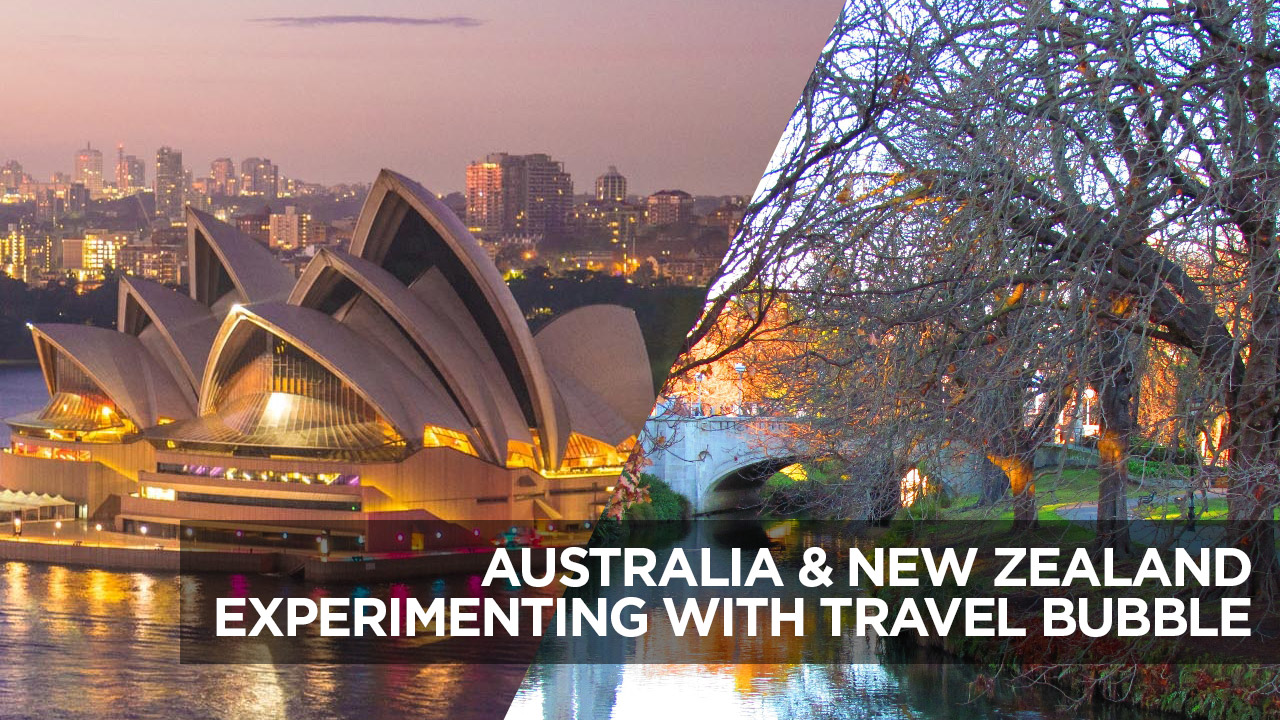
Australia and New Zealand are experimenting with the idea of a ‘travel bubble’ that would allow tourists to travel freely between the countries. The bubble, however, would apply only to residents of the two countries; the focus is on making sure that both countries are in the position to manage covid-19 to a point where they can confidently open borders.  For now, international tourists have to wait.

We hope to see more countries opening up for tourism, of course, with health and safety the top priority.
Share this article

The future of travel

Some countries have announced that they will move to lockdown level three status at the beginning of June 2020. Although we are still not allowed to travel, this is good news for us because it means we are all moving closer to fulfilling our travel dreams.

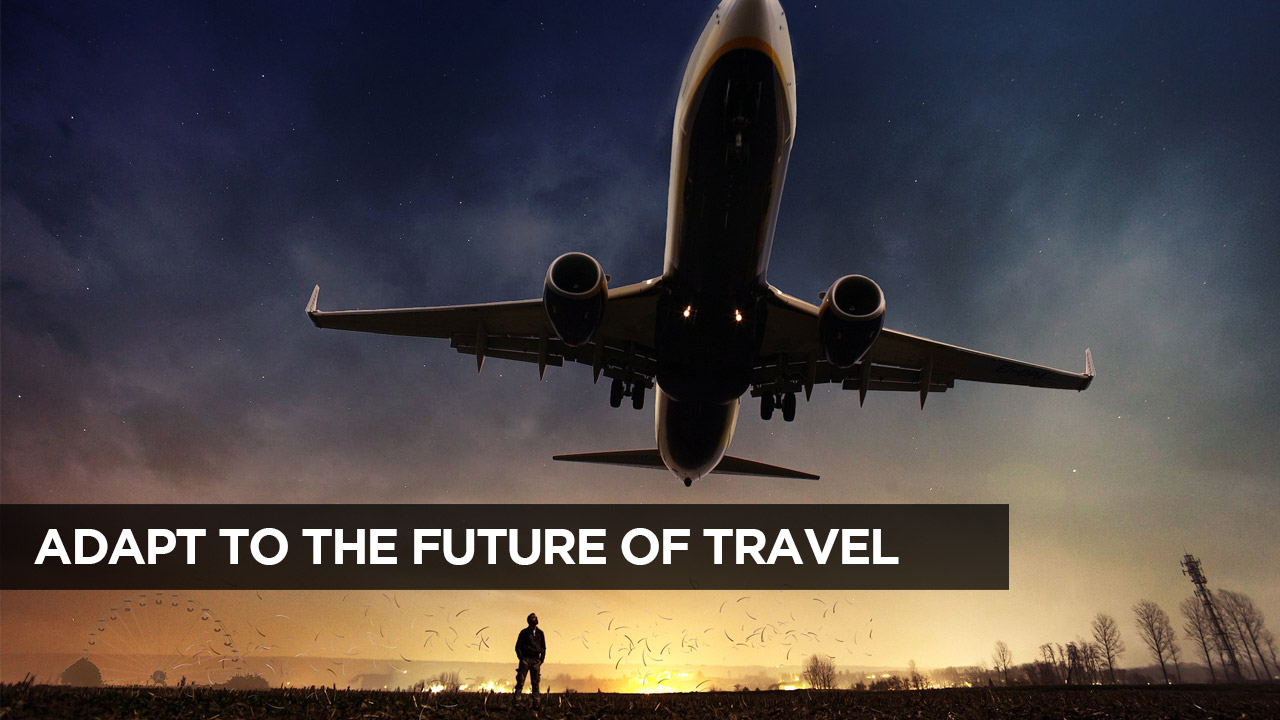
Adapt to the future

The future of travel is not as we know it; that’s also good news because we are eager and ready to adapt to the future.  Once airports and borders open and we are allowed to travel freely, we will be pleasantly surprised at the healthy air travel measures in place.

‘. . . new measures such as social distancing . . .’

The entire process of checking in for flights will include new measures such as social distancing, sanitation of passengers and luggage, wider spaces for various queues waiting to board.  There will be a thorough cleaning of cabins and the following of sanitary measures at airports.

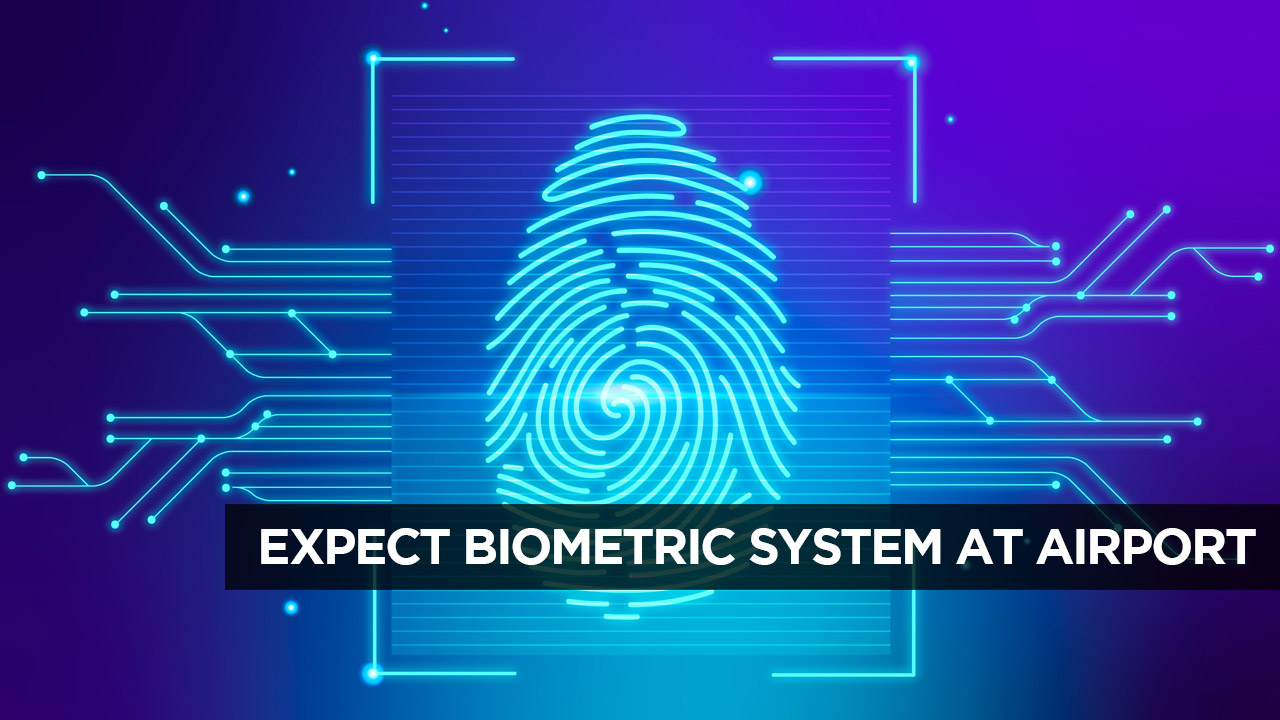
Biometric check-in

We will see extensive all-biometric check-in systems and efficient ‘do it yourself’ disinfectant fogging tunnels for dropping off of bags.  We will notice the demarcation of spaces for social distancing in corridors and concourses, larger protective barriers at customer service counters, hand sanitation stations and thermal scanning to check crowds for fever-grade body temperatures.

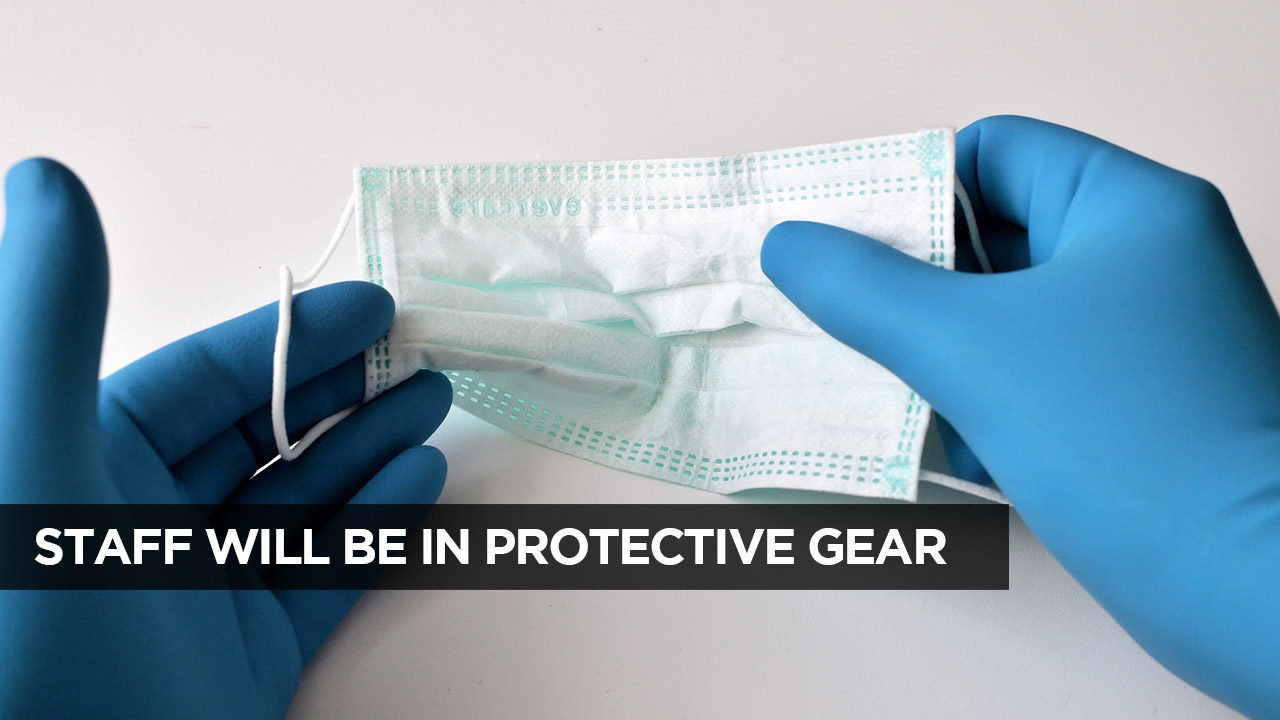
Staff in protective gear and electrostatic spraying

In the seating processes of travel we will see blocked seats, electrostatic spraying, and staff in protective gear and, of course, masks. As for food, the idea in the future is to stop serving on short flights and consider ‘light refreshments’ for long.

Under level three lockdown, travel is likely to begin with internal ‘staycations,’ before expanding across regions, and then finally across continents to welcome the return of travel to international destinations.

Preparing to resume domestic flights.

In recent news South Africa announced they are preparing to resume some domestic flights under the country’s new level 3 lockdown.  Priority will be given to flights under the ‘golden triangle’ of OR Tambo International, Cape Town International and King Shaka International, with flights initially running between 06h00 to 09h00 and 15h00 to 18h00. South Africa is also preparing for inter-provincial road transport routes which are considered as feeders to the three main airports. Travel permits will only be issued to persons who can prove they must travel.

‘Let’s be optimistic . . . ’

Let’s be optimistic, lockdown level three brings our hopes to travel sooner than we thought!


Share this article

80 year old safety tips – Still applicable today!

While watching a video about World War II, a writer for Good Things Guy, Tyler Leigh Vivier was reminded of a tiny pocketbook that was created during the war to help everyday people access helpful information relating to treating injuries, living through air raids, helping the homeless, how to deal with a fire and treating shock.

The book lists six golden rules from World War II which are still incredibly relevant today, almost eighty years later!

Rule 1. Keep your head; obey any instructions that may be given by those in authority – calmly and immediately.

This rule in today’s times is fair and we should especially remember the ‘keep your head’ part.

Rule 2. Disperse. Don’t crowd together in the streets.

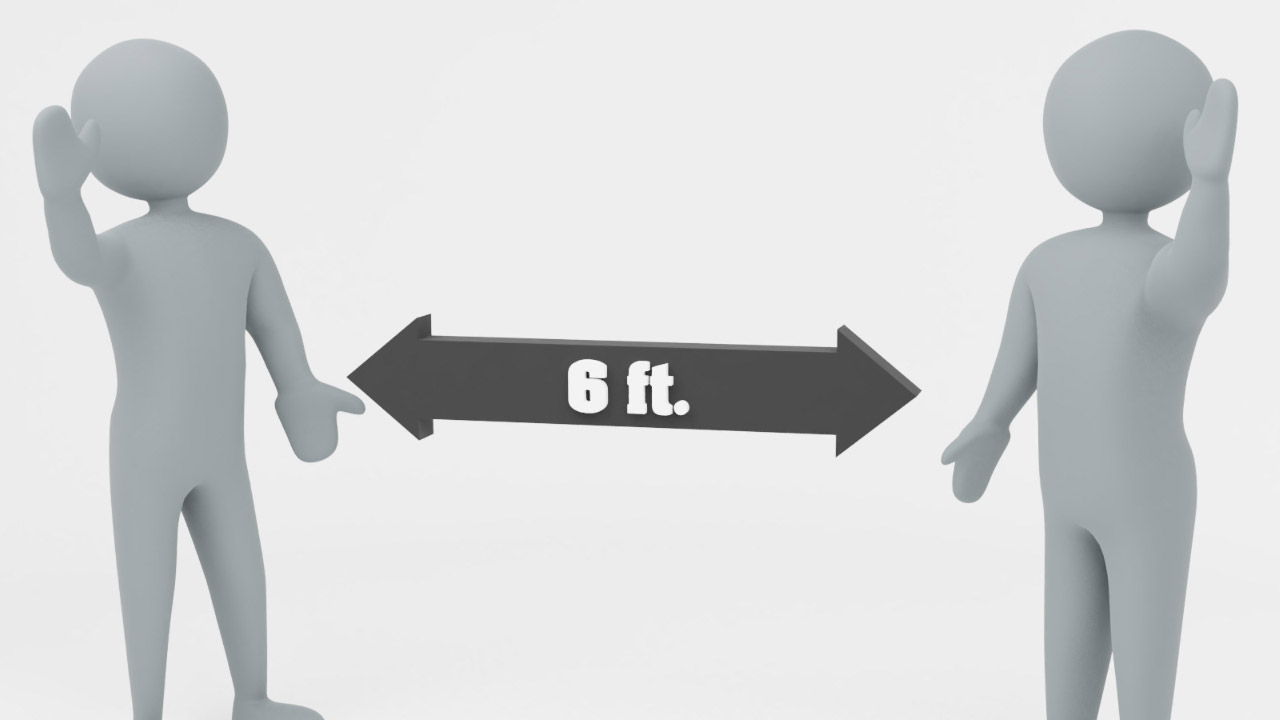
This rule is 100% relevant. We should maintain social distancing; if a place is too crowded, rather move off in a direction that is less busy. This is especially important to keep yourself, your family and those around you safe.

Rule 3. On the warning being given, seek cover unless your job demands otherwise.

This rule fits into the stay at home approach; if your job is essential we salute you! If you are able to stay home, please do so.

Rule 4. Learn the very simple and efficient measures for dealing with incendiary bombs and with incipient fires generally.

Ok, this one isn’t relevant but you could learn some other relevant skill.

Rule 5. Help one another. Set an example of calmness; take care of children, the aged, of the injured, especially if you are unfortunate enough to be caught in a crowd.

Well, this is simple, keep helping those in need. There are thousands of charities doing good for communities in need. Search online for these organisations and participate where you can.

Rule 6. Don’t stand around staring at the sky. Curiosity killed the cat.

Admire the beautiful view from a distance, keep moving, standing around leads to trouble!

Source / credit: https://www.goodthingsguy.com/opinion/war-time-emergency-guide-1940s/?fbclid=IwAR0eFCiX0NUNQfPyh0m8RZqeB5K62uHDrNOybxgA64IaWi8ccOImDNzQGn0


Share this article