COVID-19 has taken its toll on almost every continent, forced countries into states of emergency, sent individuals into quarantine and isolation, and shut businesses and schools. Despite this there are inspirational stories of the youth who are rising up to meet the challenge.
We are all living in a new environment; the coronavirus has made new expressions like social distancing and self-isolation common but even as young people face unprecedented worries, they are rising up to make a difference. The young people deserve attention.
We will get through this crisis, and when we do, history will show the young people who helped to bridge the world from fear to hope and from confusion to understanding. These young people are reminding us to stick together, even when we’re all apart. Their courage gives us confidence and inspiration to remember there is light that will shine.

Nelson Kwaje from South Sudan tackles misinformation on COVID-19.
Nelson Kwaje, a 28-year old with a background in tech and peace-building, helped to initiate a digital community of youth working in various fields who collaborate to fight misinformation and raise awareness on coronavirus prevention and protection. Using the #COVID19SS hashtag, their work exposes false facts, disputes unfounded remedies or cures, doctored images and any information that could confuse and mislead the public.
Vittorio Foglio from Switzerland is taking supplies to and keeping company with the elderly.
Vittorio Foglio, one of the leaders of Geneva’s Perceval Scouts, felt that, as a scout, he had a mandate to help people. This led him to mobilize his fellow scouts to support elderly communities by reducing the need for them to leave their homes and risk exposure.
‘… assuring the elderly that they care about their wellbeing …’
With teams of people taking phone and email requests and teams delivering supplies, the Perceval Scouts are assuring the elderly that they care about their wellbeing. This response to the needs of the elderly has curbed the spread of the virus.

Christian Achaleke from Cameroon is producing bottles of disinfectant.
When the first cases of coronavirus were discovered in Cameroon, 26-year old Christian Achaleke, who works in development, realized that contingencies for containment and management had to be set up. He and his officemates bought ingredients for disinfectant, followed the World Health Organisation’s recipe, and tested the mixture.
‘… a campaign to offer hand sanitizer to people on the streets …’
They then devised a plan to launch a campaign to offer hand sanitizer to people on the streets, while engaging people to be aware of the risks surrounding the spread of the virus. He reached out to medical and development professionals throughout the country to help him develop this idea, which became the 1 Person 1 Hand Sanitizer Campaign. He moved his project into a laboratory and engaged pharmacists, doctors, sanitation engineers and nurses to help. Christian is making sure that awareness-raising to curb the spread of the virus helps people to clean their hands, and to clear away misinformation that can cost lives.
Wevyn Muganda and Suhayl Omar from Kenya are supporting members of the community.
Based on the concept of mutual aid, which relies on communities working together to ensure well-being, Wevyn Muganda, an activist and writer, and Suhayl Omar, a community organizer, journalist and student, founded Mutual Aid Kenya to provide aid to vulnerable people.
‘… Kenyans were well informed of the potential risks …’
When the first case of COVID-19 was discovered in Kenya, Wevyn began engaging in digital advocacy, making sure that fellow Kenyans were well informed of the potential risks and solutions. When it became more apparent that several members of the population were ill-prepared and ill-supported, she and Suhayl knew they had to do more, and the two began working together, leading to the creation of Mutual Aid Kenya.
Dana Shubat from Syria is coordinating awareness initiatives with civil society volunteers.
In a push to supplement struggling official responses, many civil society groups have taken it upon themselves to ensure that Syrians are prepared for COVID-19. Dana Shubat has lent herself to this effort. She participated in a mask and hand sanitizers distribution campaign that took place in the 10 days leading up to the quarantine.
‘… translated COVID-19 manuals into Arabic …’
She has taken to social media to provide correct information and sources to the public, posting over 100 times a day on various pages and profiles. Dana is using the knowledge that she gained as a medical student to support engineers who are designing medical supplies to help fill the gaps in the country’s health care system. She also provides support to special needs students via WhatsApp while continuing her role as a volunteer for the Special Olympics. Dana’s work extends even further, she has translated COVID-19 manuals into Arabic aiming to solve problems related to the COVID-19 crisis.
Inés Yabar from Peru is spreading sense about the virus.
Ines Yabar’s work tackles the spread of misinformation and the lack of resources for vulnerable citizens.
‘… alleviate people’s stress and anxiety …’
Just 25 years old, Ines helped to create a subscription-based service that regularly provides people with the accurate, helpful information about COVID-19 that they want and need. She is also a part of the ‘Heal the World’ initiative which aims to alleviate people’s stress and anxiety through kindness and positivity.
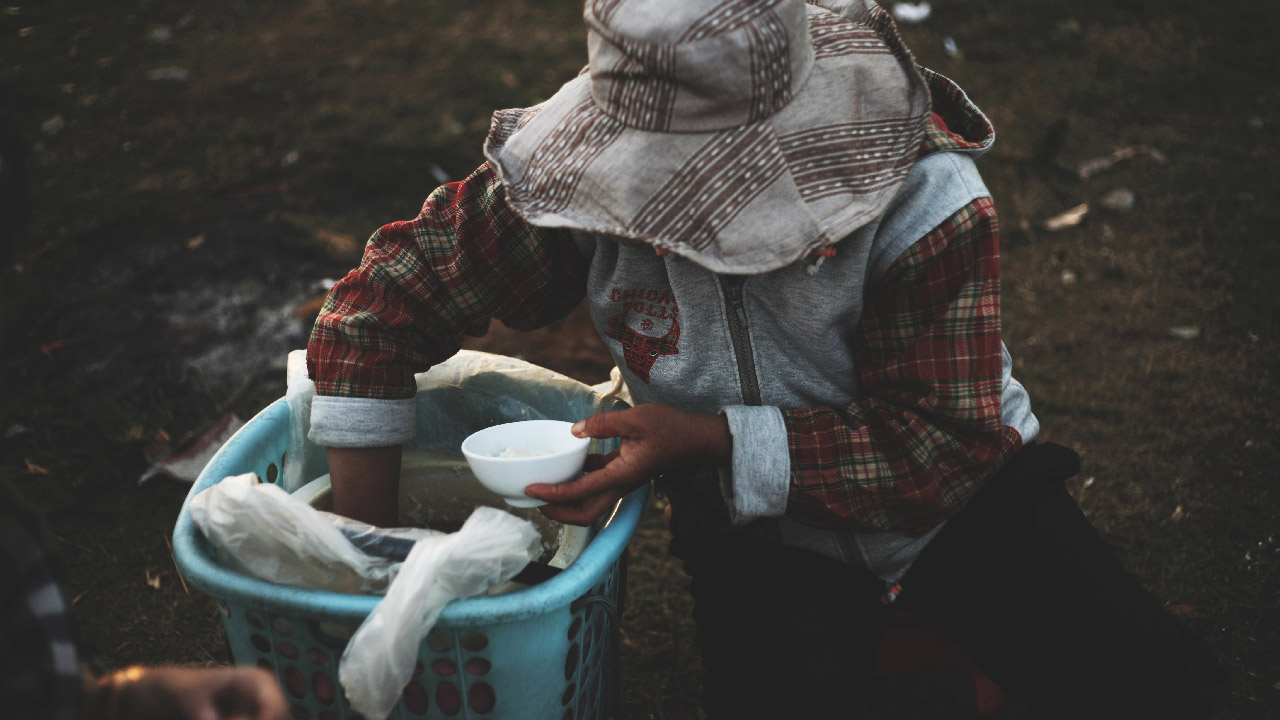
An outbreak of generosity from Nourhene Mahmoudi of Italy.
After seeing the sudden and complete lockdowns, and the increasing number of isolated and vulnerable people, Nourhene Mahmoudi felt compelled to act to support his nation. He and other young volunteers launched Outbreak of Generosity which empowers young people to better their communities.
‘… mobilize youth to provide help to vulnerable communities …’
After undergoing an advocacy training, the Outbreak of Generosity campaign was launched with a comprehensive toolkit, translated into 14 languages that helps mobilize youth to provide help to vulnerable communities in a safe and proactive manner. With volunteers from 12 different countries and a strong social media presence, Outbreak of Generosity has been able to help and inspire a large number of people in Europe.
The Ndlovu Youth Choir from South Africa is using entertainment to raise awareness.
The arts may seem like a luxury at a time of crisis when, in fact, performances can be part of the solution. The Ndlovu Youth Choir, a South African youth choir composed, performed and filmed a musical rendition of the World Health Organization’s coronavirus safety advice.
‘… various communities in their country
were well informed and safe …’
Featuring translations of certain key points in various South African languages, the choir composed the song to ensure that the various communities in their country were well informed and safe during the spread of the outbreak. The video was even shared by Dr. Tedros Ghebreyesus, World Health Organization’s Secretary-General!
Xian Lu from China is cooking for Wuhan’s medical professionals.
The focus of Covid-19 is mostly on patients, but their lives could not be saved without the heroic health workers who risk their own safety to help others.
‘… medical professionals were rarely
able to eat warm, home cooked meals …’
In Wuhan, between the long working hours and closed restaurants, medical professionals were rarely able to eat warm, home cooked meals. This inspired 24-year old Xian Lu to move to Wuhan and volunteer to cook meals for the city’s medical staff, despite the danger to her health. In 40 days, she cooked over 20,000 meals, often cooking up to 400 meals a day. Xian has become a viral sensation in China, and an inspiration to many around the world, young and old alike.
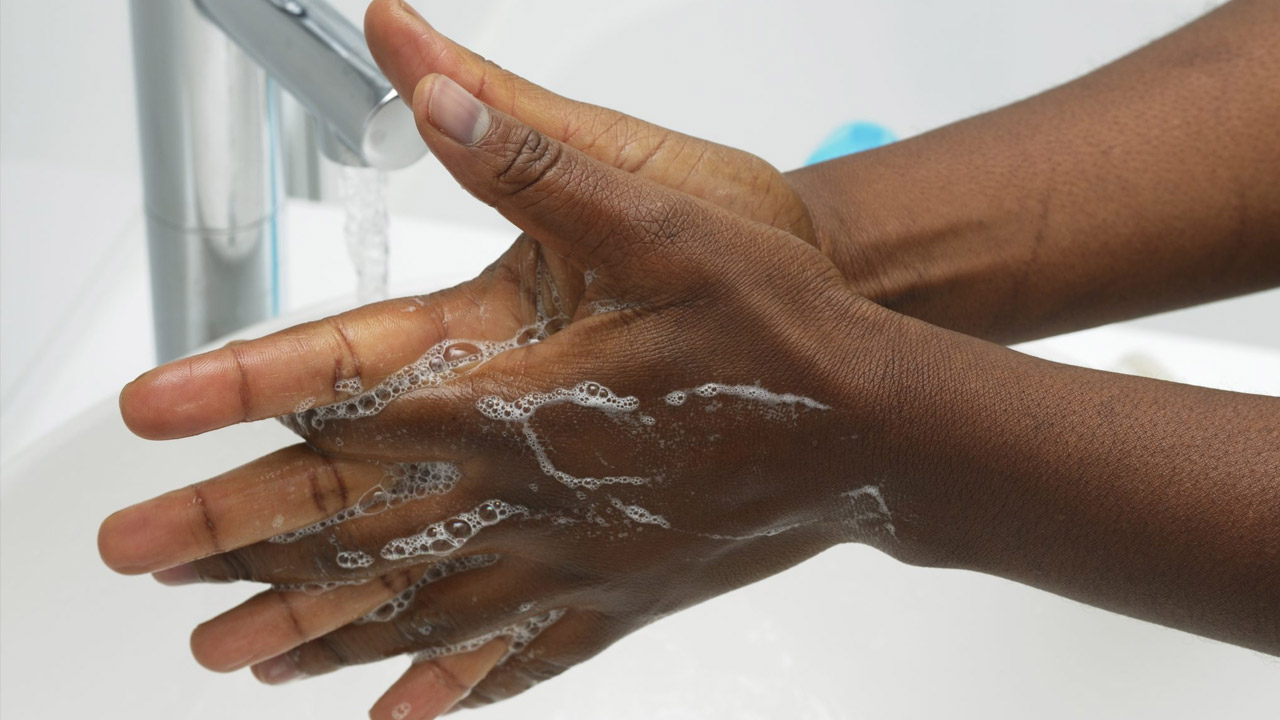
Scouts in Haiti are creating awareness and hand washing campaigns.
Water and soap are among the most powerful weapons to fight the coronavirus. In Haiti, Scout groups are working to support the country to combat the spread of the virus.
‘… singing catchy songs …’
As many communities struggle to access clean water and information on the virus, the Scouts have been traveling to and around the capital, Port-au-Prince, to reach out to people by singing catchy songs made to highlight preventive measures and symptoms. The Scouts carry portable sinks around and install hand washing stations to give Haitians alternatives to contaminated water sources. These Scouts help combat the spread of the virus and encourage people to be aware of the measures that they can take to contribute.


 Because a vaccine can prevent people from getting sick, all eyes are turned to the prospect of a vaccine for the coronavirus. Scientists, companies and academic institutions around the world are racing to create such a vaccine. The World Health Organisation says three vaccine candidates are in clinical testing phase, while 67 potentials are in preclinical phase.