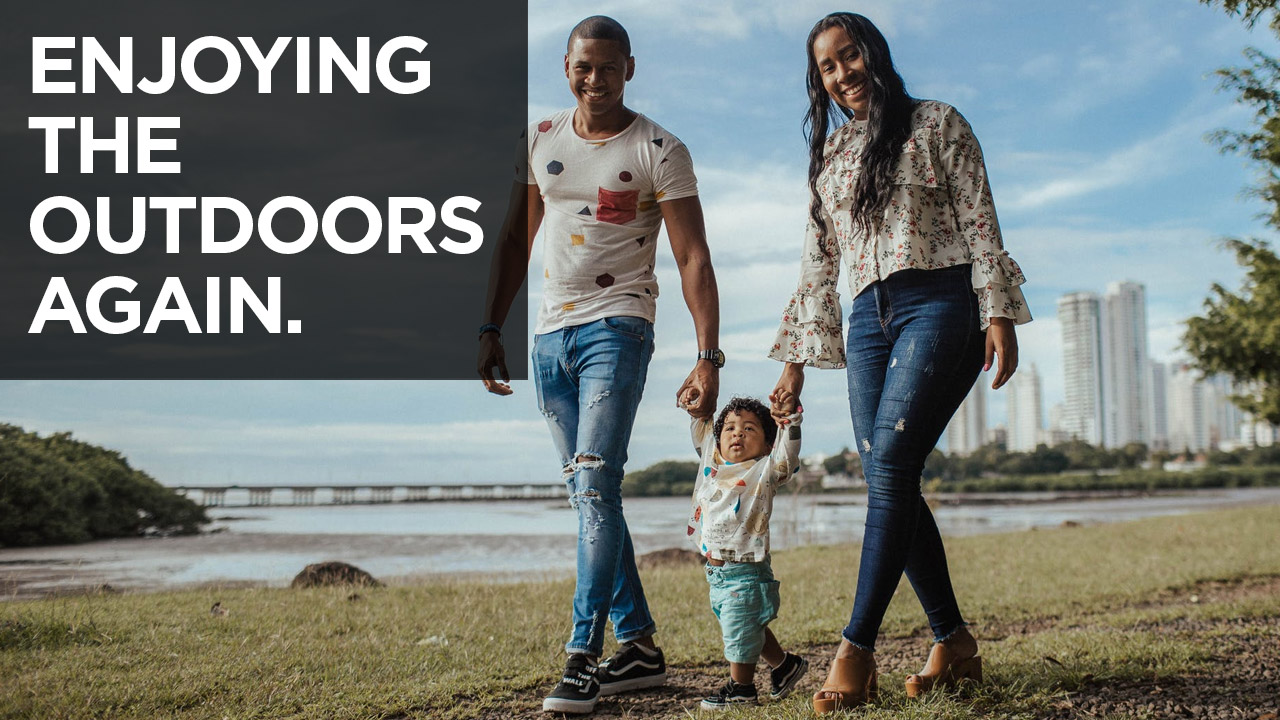
Countries that are easing coronavirus lockdown measures

A host of countries have in the last few days started easing their coronavirus lockdowns, allowing people to move around and businesses to reopen. While stringent rules apply, indications are that no country has reported a significant surge of Covid-19 cases since the easing.

Nigeria has begun easing restrictions in its capital Abuja and in Lagos, its largest city, marking the reopening of Africa’s biggest economy after more than four weeks of lockdown.

‘…the streets of Lagos were busy with cars,
buses and motorised tricycle taxis…’

The stay-at-home in Abuja and Lagos will be lifted gradually over a six-week period. On Monday morning, the streets of Lagos were busy with cars, buses and motorised tricycle taxis.  Businesses may reopen provided they have decontaminated offices, can enable social distancing and offer hand sanitizer and hand washing. Schools and places of worship remain closed, restaurants can only operate on a takeaway basis, and all cultural events remain cancelled.

The Czech Republic has allowed people to cycle, jog, and hike in the countryside without face masks as long as they practice social distancing. It has also reopened outdoor sports facilities. The country clamped down on the virus early in its outbreak, by declaring a state of emergency before even recording its first death.  They plan to open large shopping malls, restaurants, theatres, and museums throughout May if cases don’t increase.
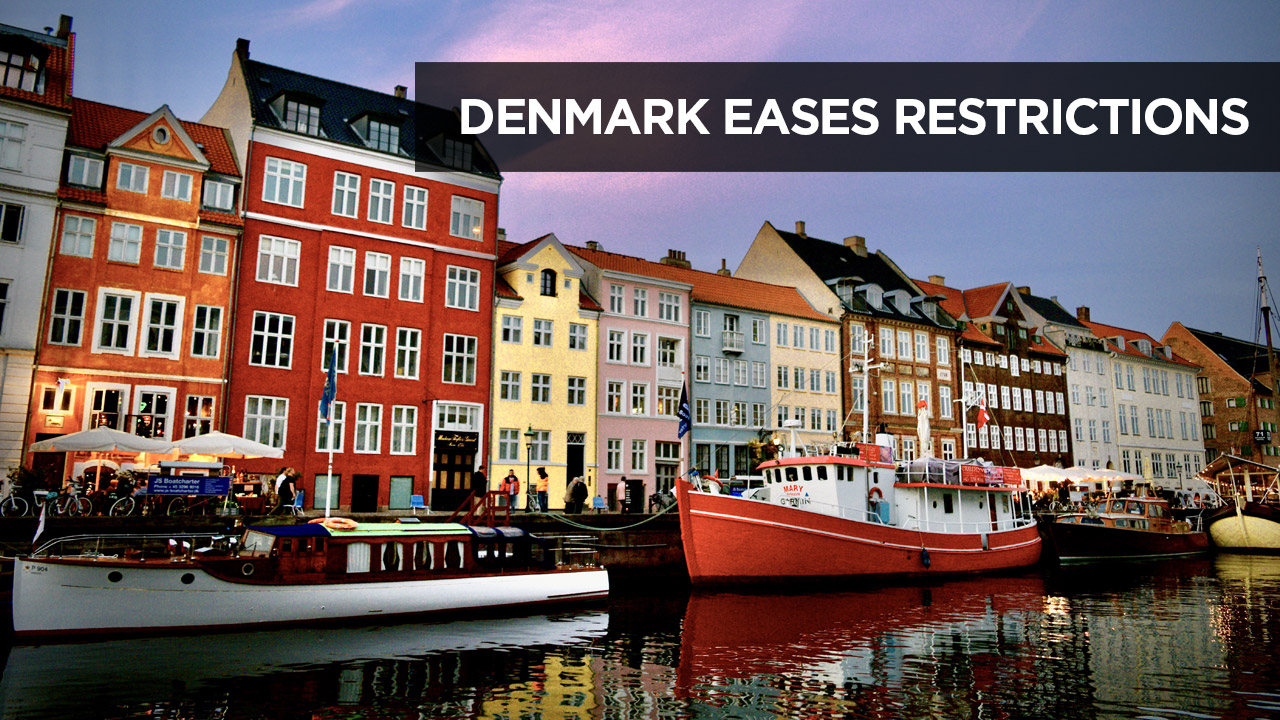
Denmark has lifted restrictions by reopening schools for children up to age 11, and keeping them far apart and limiting the number of children per class. The country also reopened places like courts, beauty salons, and hairdressers.

‘…courts, beauty salons, and hairdressers…’
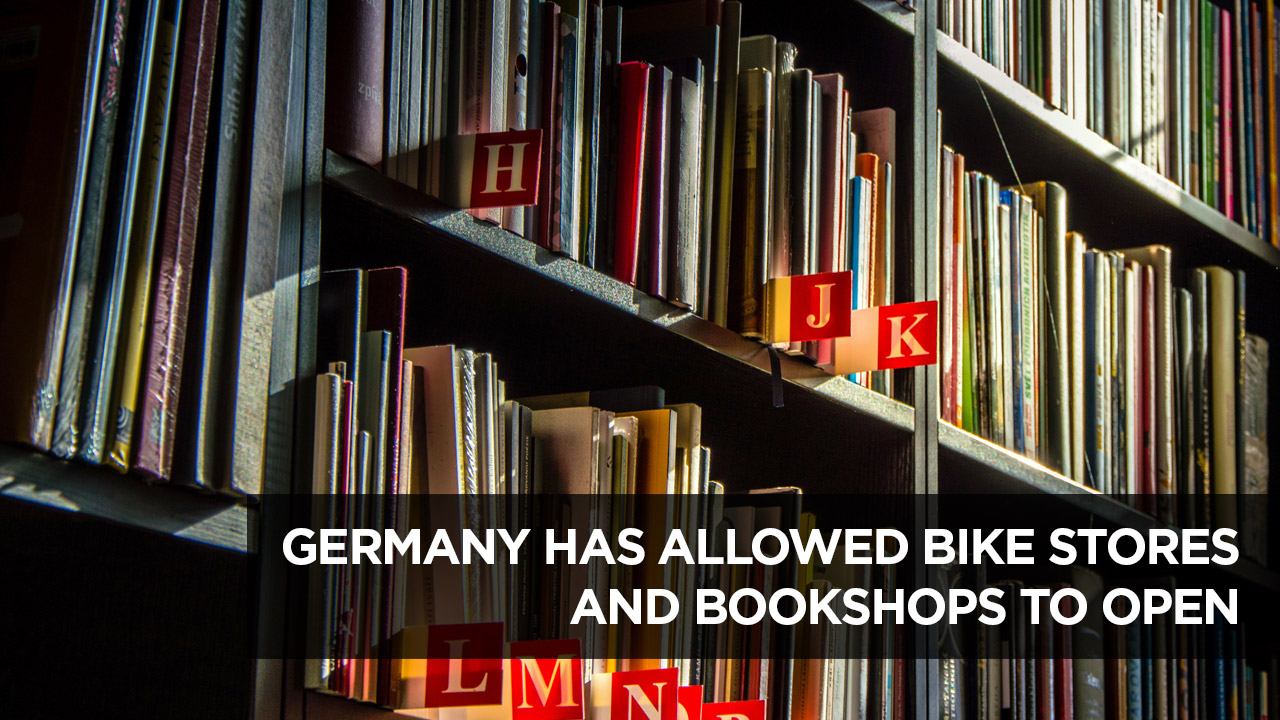
Germany has allowed bike stores and bookshops to open.  The country is making a lot of progress but are monitoring infections with earnest. Germany has plans to ease further lockdowns soon by opening schools and hairdressers. Bars, cafes, and restaurants remain closed, with large gatherings banned until the end of August.  Germany’s infectious diseases agency reported that the number of new cases is falling daily.

‘…opening schools and hairdressers…’
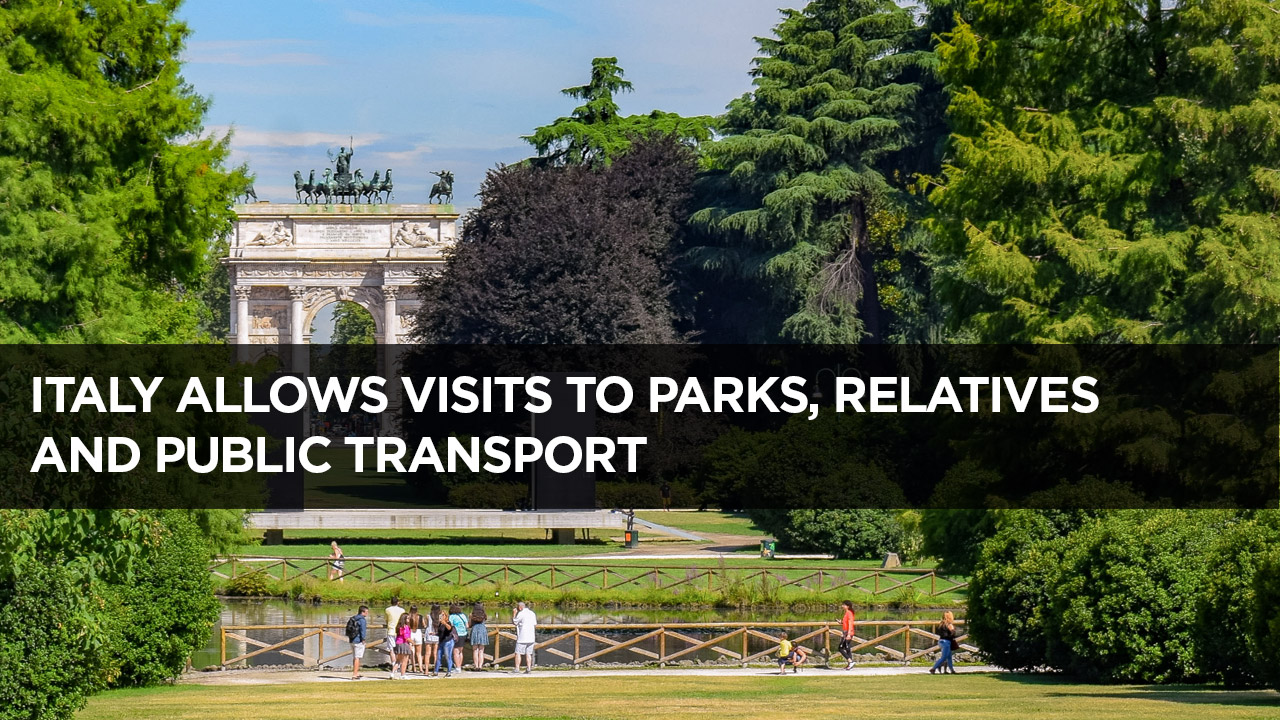
Italy has announced a gradual easing of restrictions from May 4, including people being allowed to visit parks, visit relatives living in the same region, and take public transport with a limited number of people on board.

‘…visit parks, visit relatives…’
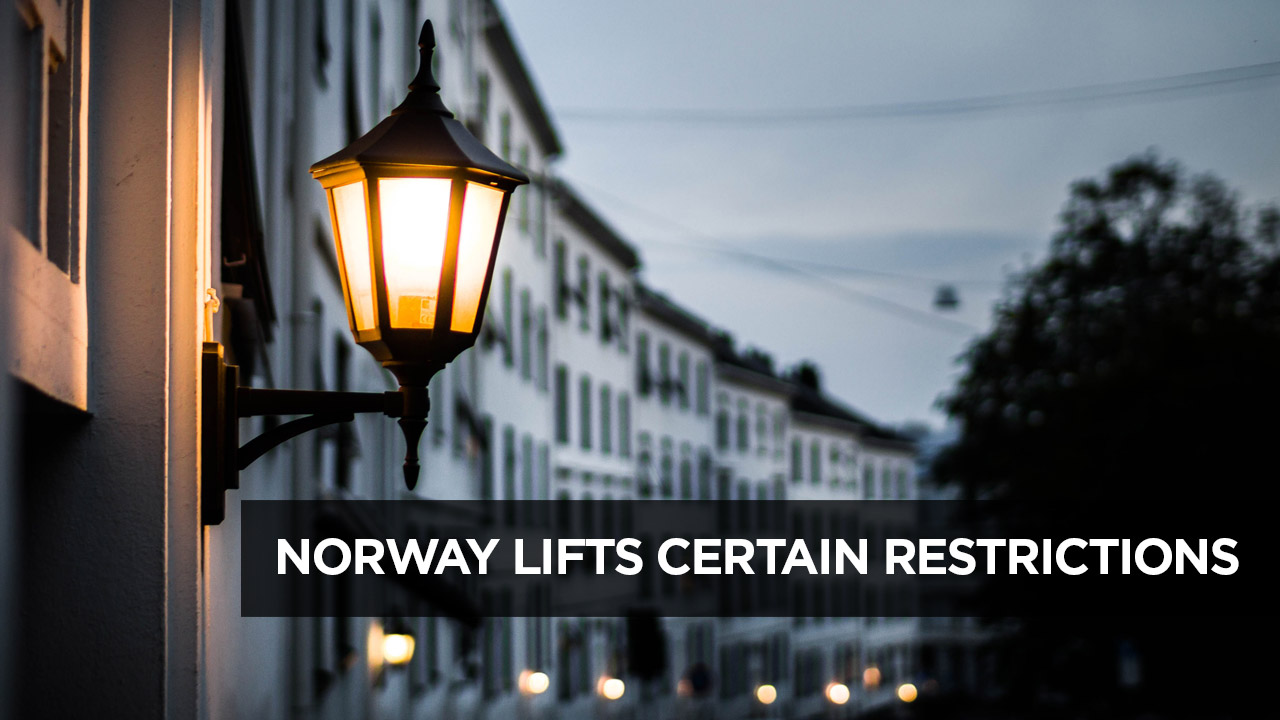
Norway recently reopened preschools and schools for slightly older children. They also lifted restrictions on people staying in second homes and reopened businesses like hairdressers.

‘…managed to gain control of the virus…’

The country hasn’t recorded any spike in cases so far. Prime Minister Erna Solberg said “Norway has managed to gain control of the virus, the job now is to keep that control.”

Poland has reopened parks and forests and has relaxed rules about the number of people allowed in shops.

‘…reopened parks and forests…’

Poland hasn’t seen any increase in the rate of new cases, but the Health Minister Lukasz Szumowski said “rules would be tightened if that changes.” The country plans to soon take more steps like opening hotels and preschools.

Spain allowed children age 14 years to go outside once a day for one hour. There has been no spike in cases or deaths since. Plans are in place to let people of other ages go outside for walks and open places like bars, with limited capacity, from early May. Prime Minister Pedro Sanchez also warned that the reopening must be slow and cautious as the virus is still lurking.

Switzerland has opened businesses like dentist practices, hardware stores, doctors’ surgeries, and garden centres. For two weeks, its daily case count has remained the lowest it has been since the outbreak began.

Together with the world, we are watching intensely.
Share this article

What activities are we looking forward to most after Covid-19?

We are all being optimistic and are making the best of lockdown time, but as the days go by we realise we do miss going outside and have the urge to do our favourite things.

Some of us miss going for haircuts and beauty treatments or even time out to enjoy a live music concert; visiting friends and family is also an activity many of us are looking forward to.

We thought we’d share with you, feedback from social media pages what people are really looking forward to doing after Covid-19 lockdown.

Church
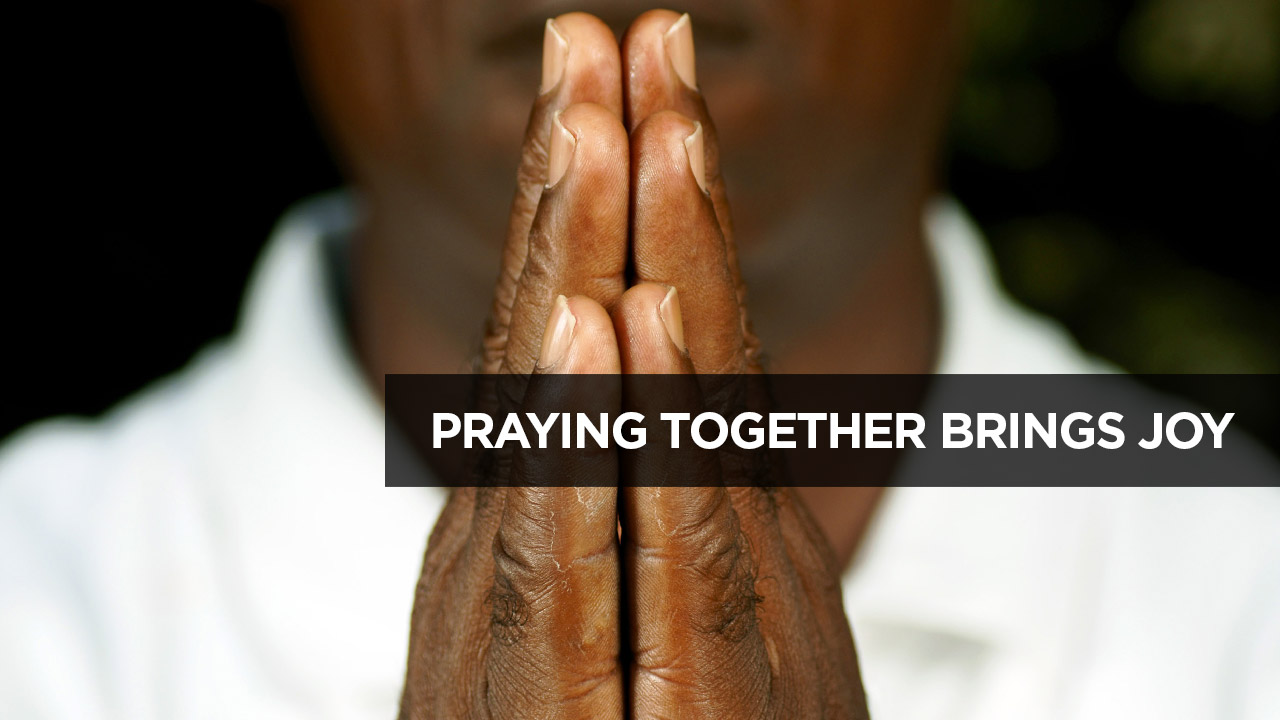
Although we can pray any time or anywhere, many of us want to attend church and pray in mosques again.  People explained that praying together brings joy.  They missed the partnership of being together in prayer.

Dining out
People are looking forward to take-away food. So many said they want to head straight to their favourite restaurant and feast on their desired food.

‘…chicken, sushi, steaks, ribs, seafood and pizza…’

The meals people are looking forward to include chicken, sushi, steaks, ribs, seafood and pizza. Some people added they would like to combine eating out with watching a movie.

Festivals and live music
So many events have been cancelled during lockdown; it’s no wonder that people are craving live music. Experiencing one’s favourite band live is high on the priority list of what people want to do as soon as possible.

‘…looking forward to tours…’

Some are considering booking tickets and looking forward to tours. We expect live shows and performances to be sold out, rapidly.

Nights out
Clubs and pubs will be pleased to hear that a night out is high on the list of post-Covid-19 activities.

‘…a night out is high on the list…’

This could be a date with friends, but for many, it means having a post-Covid-19 party.

Outdoors
Going to the beach and enjoying the experience is among the activities that we all crave, this includes reconnecting with nature. Quarantine is giving many nature lovers itchy feet to get to beaches, national parks, mountains and resorts.

‘…beaches, national parks, mountains and resorts…’

Party
The desire to party with friends came up many times; some people want to get together with friends and play games while eating their favourite foods, getting pizzas or grilling their own meat, having a movie night together or just exploring the town.

Picnics and excursions
A favourite desire among many people is to enjoy fine weather and great views while being active outdoors.  The humble picnic of salads, cold meats, yoghurts, fruits, crackers, breads, jams, cheeses, champagne and orange juice came up most as a pleasurable excursion for many.

‘…champagne and orange juice…’

Retail therapy
Shopping appealed to many, they expressed happiness at the thought of going to shopping centres, to try on and buy new outfits!

‘…try on and buy new outfits…’

This is good news for fashion stores who cater for the fashion-conscious consumer.

Social volunteering
Doing kind volunteering came out as an extreme need by many.  There is a ‘want to help’ yearning among most people.

‘…help others…’

We want to help others who are less fortunate.  People want to increase self-confidence and a sense of accomplishment in their communities.

Spoiling
We all love a little indulgence; after lockdown many people expressed the wish for some beauty therapy. This includes going to the barber, hair salon and beauty parlours to have manicures, pedicures and eyebrow shaping done. If you are in the beauty business, we think you are in for a boom in business once quarantine is over.

‘…manicures, pedicures and eyebrow shaping…’

Sporting events
Watching or playing sports is top of the list for some people. With loyal fan bases, most sports will undoubtedly experience a bounce back. What will be interesting to note is the impact of Covid-19 on sports participation. Time will tell if the quarantine has motivated more people to take up a sport.

‘…sports will undoubtedly experience a bounce back…’

Travel
After only a week, people started to think about their next holiday. Many expressed the desire to catch a plane somewhere with no precise destination in mind.

‘…catch a plane somewhere…’

Some people are already booking trips, giving them something to look forward to.  It may be too soon to say but we think airlines can expect a substantial bounce back as the desire for travel heightens.

Visit elderly parents and relatives
Most of us have fond memories of family and growing up; the desire to be with elderly parents and relatives is a wish many expressed.  There is a longing to share unconditional love and support.

‘…share unconditional love…’

We want to make time to catch up on unique connections; share these feelings with your elderly family, they need reassurance that we appreciate them and are always glad to help wherever possible.

Visit the beach
To travel is something we all long to do but most people said a visit to the beach was top of their list.  They long for the fresh, cool and relaxed time on soft sandy beaches.

‘…collect shells and build sand castles…’

They want to play on the beach, collect shells, build sand castles and enjoy the water and waves washing up against their legs; they miss the beautiful sight of the sun setting in the evenings.

Work
Those who could not work remotely from home said they missed going to work and when they could return they want to go the extra mile.  They expressed the desire to spend time catching up for time lost, they want to ask questions, be on the lookout for more work, be willing to take on additional tasks and volunteer their strengths. People are looking forward to talking to their colleagues.

‘…go the extra mile…’

 Some people said they just want to get back to their routines, go to work or go to the gym; take time out to appreciate the things we perhaps took for granted.  One thing for sure is there was a strong desire for loving human connection.

Share this article

Motivating your children during the coronavirus pandemic

It can be challenging for parents to keep children happy while the whole family is stuck at home due to the coronavirus pandemic.
As parents we always help with homework and make sure our children have responsibilities like chores, but the extended time families are spending together during the current crisis creates new challenges.

It is important, for parents and children to be consistent and maintain a sense of control.  This includes creating schedules, and communicating clear expectations and guidelines.

‘… help children become more self-motivated …’

Wendy Grolnick, a psychologist and parenting expert who has worked with parents in disaster situations, has studied how parents can help children become more self-motivated. She recommends involving children in decision-making and setting schedules. As parents we must be empathetic and understanding to the emotions of children.

She shares some strategies on how to make the household run more smoothly during the coronavirus crisis.

Involve children in setting schedules.
When children participate in creating guidelines and schedules, they are more likely to believe the guidelines are important, accept them, and follow them. To involve children, parents can set up a family meeting.

At the meeting, parents can discuss the schedule and ask children for their input on decisions like what time everyone should be out of bed and dressed, when breaks from schoolwork would work best, and where each family member should be during study time.

‘… listen to a child’s ideas …’

When parents listen to a child’s ideas, it helps them own their behaviour and be more engaged in what they are doing. There may be differences in opinion but parents can negotiate with their children so that at least some of the children’s ideas are adopted. Resolving conflicts is an important skill for children to learn, and they learn it best from their parents.

Allow children some choice.
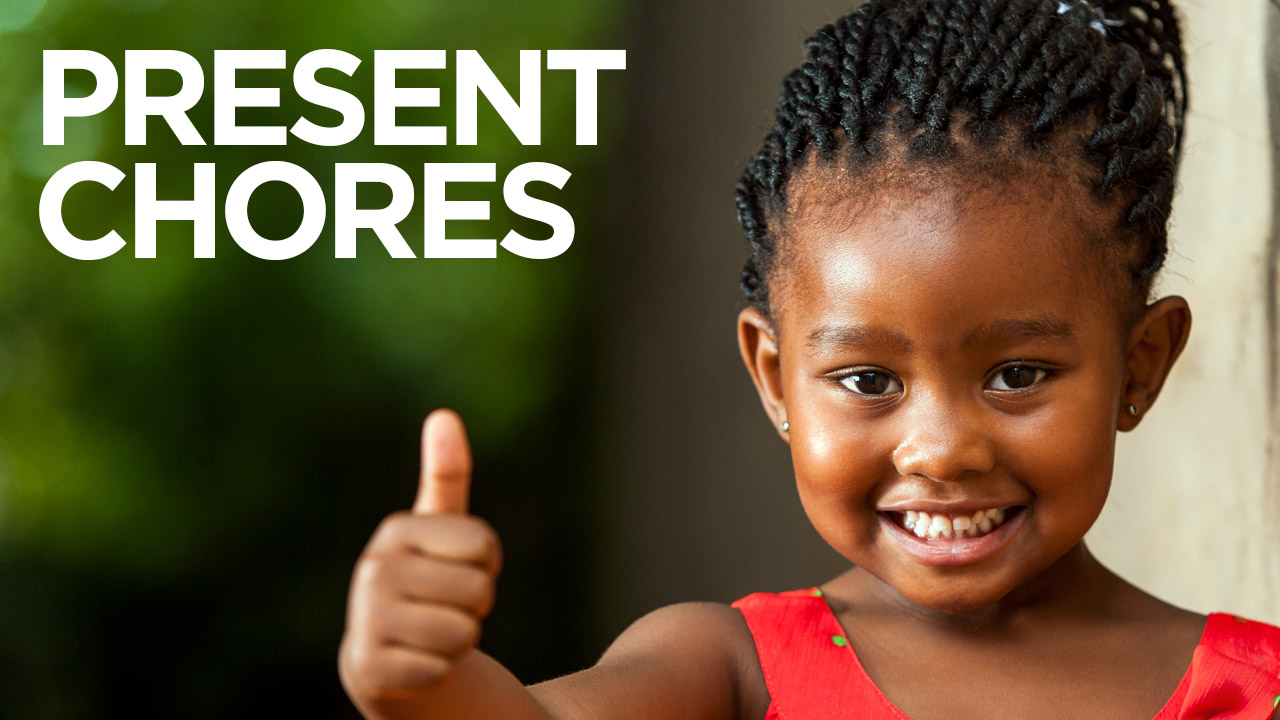
Parents can present some chores around the house, and children can choose which they prefer.

‘… do the dishes before or after watching TV …’

They can also pick when or how they complete them; do they want to do the dishes before or after watching their TV show?  Parents can also give children choices about what fun activity they would like to do at the end of the day or for a study break.

Listen and provide empathy.
Children will be more open to hearing about what they need to do if they feel that their own perspectives are understood. Parents can let children know that they understand, for example, that it is not fun to be in the house and that they miss being with their friends.

‘… When parents show they understand, cooperation is enhanced …’

When parents show that they understand, cooperation is enhanced, as is the parent-child relationship.

Provide reasons for rules.
When parents provide reasons for why they are asking for something, children can better understand the importance of acting in particular ways.

‘… have more time for fun …’

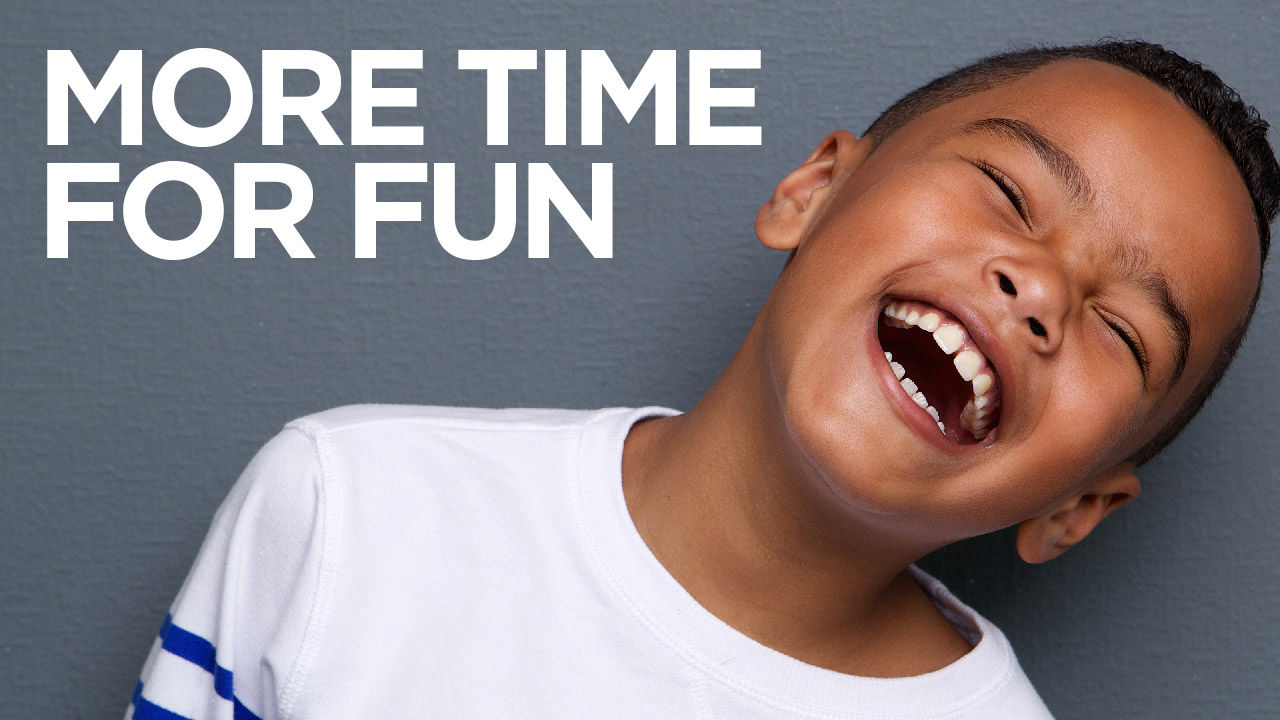
Reasons will be most effective when they are meaningful to the children in terms of the children’s own goals. For example, a parent can say that dividing up family chores will help everyone have more time for fun activities after dinner.

Problem-solve together.
Not everything will go according to plan; there will be times of frustration, nagging, and yelling. When things aren’t working out, parents can try engaging in joint problem-solving with their children, which means employing empathy, identifying the issue, and finding ways to resolve it.  This practice can help children to feel more ownership of their behaviour and will make them more likely to cooperate.

A pandemic presents challenges for parents, but using motivational strategies can help parents provide a calmer and more effective environment that also facilitates a positive parent-child relationship.

‘… provide a calmer and more effective environment …’

These strategies require time and patience; studies show that parents are likely to yell and demand when they are stressed. That’s why it’s important for parents to find time for their own self-care and rejuvenation; it can be by exercising, meditating, or writing in a journal.

ALSO READ: Young People Rise to Meet the Pandemic

Share this article